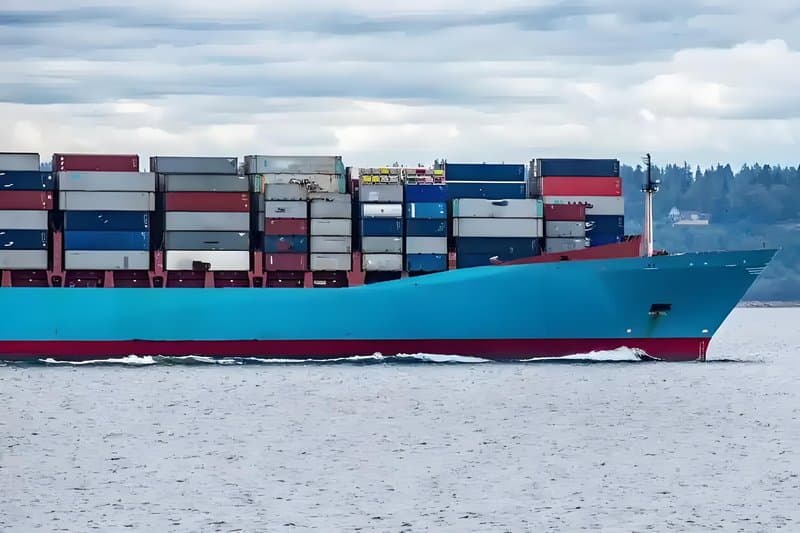
Data released by Japan's Ministry of Finance on Thursday showed that exports in March 2024 grew by 3.9% year-on-year, a significant slowdown compared to February's 11.4% growth and falling short of the media's survey expectation of 4.5%. This change primarily reflects a deceleration in the growth rate of Japan's exports, even though the February growth rate was the highest since May 2024.
Regionally, Japan's exports to the Middle East showed substantial growth, increasing by 17.1% year-on-year, leading other regions. In contrast, exports to the United States grew by just 3.1%. It is important to note that the March data does not fully reflect the impact of U.S. tariff policies, as the U.S. imposed a 25% tariff on imported steel and aluminum starting March 12, and a 25% tariff on imported cars only took effect on April 3. Currently, Japan still enjoys a 10% basic car tariff, while the Trump administration's proposed 24% "reciprocal tariff" has been temporarily delayed by 90 days.
Regarding U.S.-Japan trade relations, they are currently at a critical negotiation stage. President Trump stated on social media on Thursday that significant progress has been made in trade talks and revealed that he would personally participate in the next round of discussions, covering topics such as tariffs, defense cost-sharing, and trade fairness. According to customs statistics, automobiles are Japan's main export to the U.S., accounting for 28.3% of its total exports to the U.S. Japanese brands hold four of the top eight positions in the U.S. market, with Toyota securely in the lead.
On the other hand, Japan's import growth is showing signs of fatigue, with imports in March growing by only 2%, below the market expectation of 3.1%. Although the trade deficit narrowed to 544.1 billion yen (compared to 590.5 billion yen in February), it still exceeded the expected 485.3 billion yen. This suggests that Japan's trade situation remains challenging.
Experts pointed out that Japan is no longer the export powerhouse it once was. Despite the weak yen, companies may have shipped early due to tariff concerns, but the gradual rise of Chinese manufacturing is replacing part of Japan's export market.