


Flipster positions itself as a high-performance trading platform for cryptocurrency traders. Unlike traditional multi-asset brokers, the platform focuses more on crypto-native trading scenarios. It emphasizes the trading experience of digital assets like BTC, ETH, SOL, XRP, etc., allowing transactions, copy trading, and profit management on the same platform, rather than offering a broader CFD product line like forex, precious metals, energy, or indices.
Website Registration Information
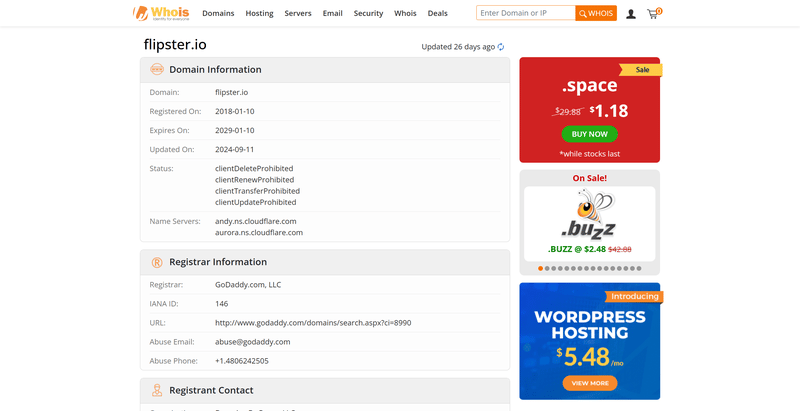
According to whois data, flipster.io was registered on January 10, 2018, with the last update on September 11, 2024. The domain has been around for quite some time.
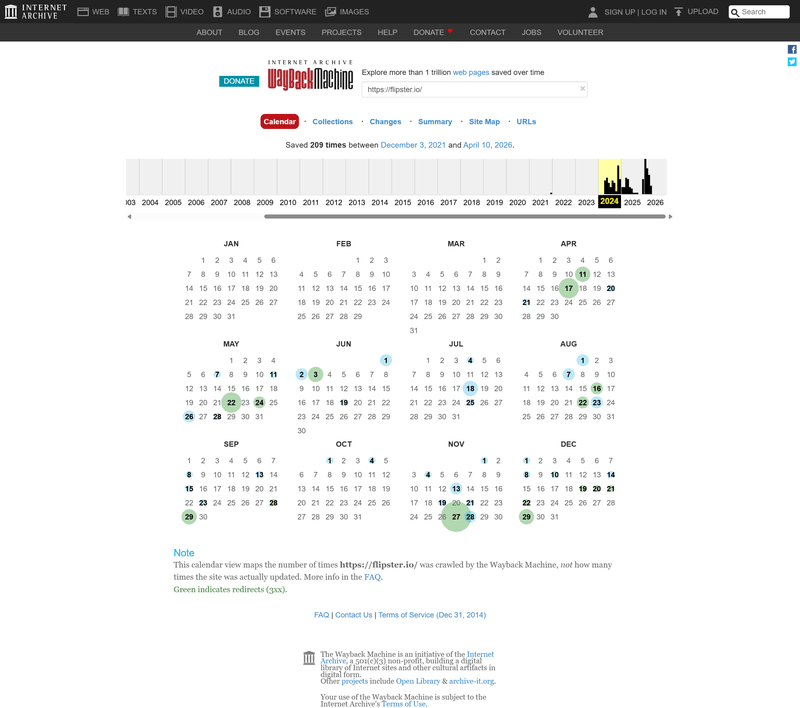
However, based on Wayback Machine records, the Flipster brand page only first appeared on this domain on April 11, 2024. This means the domain registration predates the current brand content's visible website history, and the two are not directly equivalent.
Trading Products and Methods
Flipster's core trading products are cryptocurrencies. The platform’s main site and product pages focus on crypto perpetual contracts, while the spot page offers buying and selling of currencies like BTC, SOL, ETH, XRP, TON, TRX, concentrating business within the digital asset market.
In terms of trading methods, Flipster emphasizes copy trading alongside the usual spot and perpetual trading. Its public documentation indicates that users can follow a Master Trader for automatic copy trading, primarily revolving around USDT margin perpetual contracts, unlike cross-category copying for stocks, forex, or commodities.
Trading Software
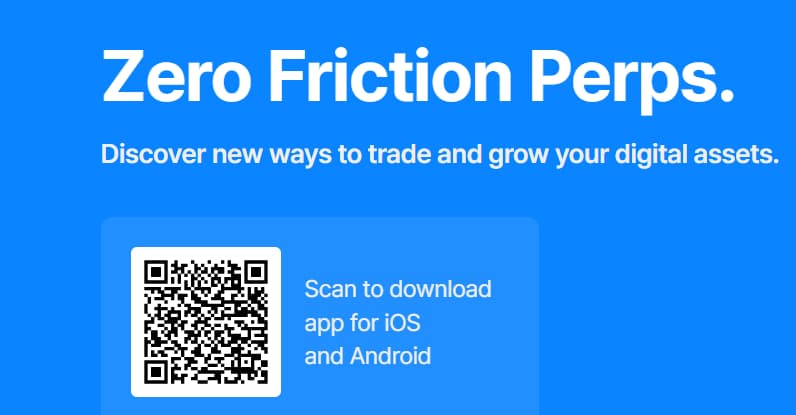
Regarding trading software, Flipster does not use traditional third-party terminals like MT4 or MT5 but relies on its own platform. The website’s FAQ states users can register via the website or download the Flipster app; the Google Play page shows its main entry point is the official mobile app, emphasizing a comprehensive experience of perpetual, spot, copy trading, and profit functionalities.
For users accustomed to crypto-native interfaces, this approach has a low learning curve; however, for those preferring classic trading terminals, Flipster’s product path may seem quite different.
Account Types
Concerning account types, Flipster’s website does not outline a tiered structure like standard accounts, professional accounts, ECN accounts, or Islamic accounts, typical of traditional brokers. Flipster is more product module-centric than account system-centric. While this structure’s advantage is that the pages focus on functionality, if users want to quickly compare fees, permissions, or thresholds between different account types, publicly available information on the website is relatively limited.
Regulatory Information
In terms of regulatory information, Flipster currently reveals more about its operating entity rather than clear financial license details. Based on publicly available pages from the main site, terms, privacy policy, and help center, there is no clear display of specific regulatory agency names, license numbers, or a one-click query option for ordinary users. Based on current public disclosures, verifiable regulatory information on Flipster is still quite limited.
Website Traffic
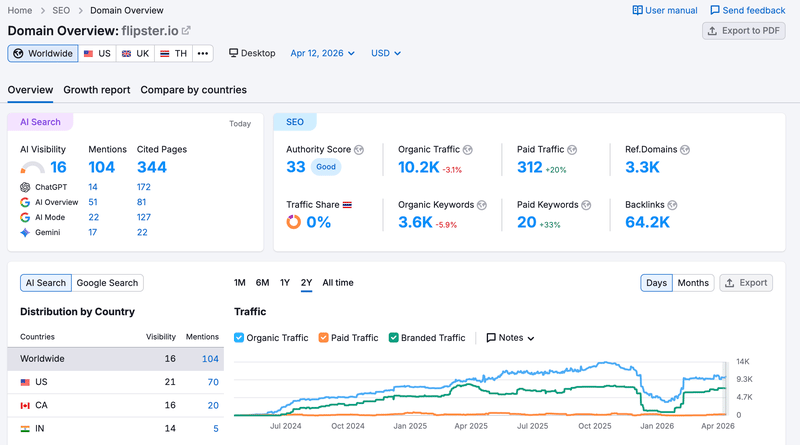
According to Semrush data, flipster.io currently has a certain traffic base, with an Authority Score of 33, Organic Traffic around 10.2K, and Paid Traffic at 312, maintaining a certain level of exposure and advertising effort. Meanwhile, the website has about 3.3K referring domains and 64.2K backlinks, with a relatively strong link foundation. However, Organic Keywords have decreased to 3.6K, indicating a recent decline in natural keyword coverage, with certain fluctuations in overall traffic performance.
Contact Information
In terms of contact information, Flipster’s website doesn’t prominently display traditional business contact details like phone numbers or office addresses, making the platform’s company-level external communication disclosure relatively restrained. Especially for users accustomed to finding corporate emails, addresses, and customer service hotlines, the completeness of information on publicly available pages is not very high.
Social Media
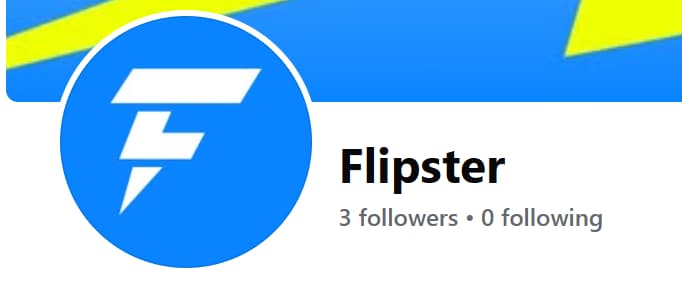
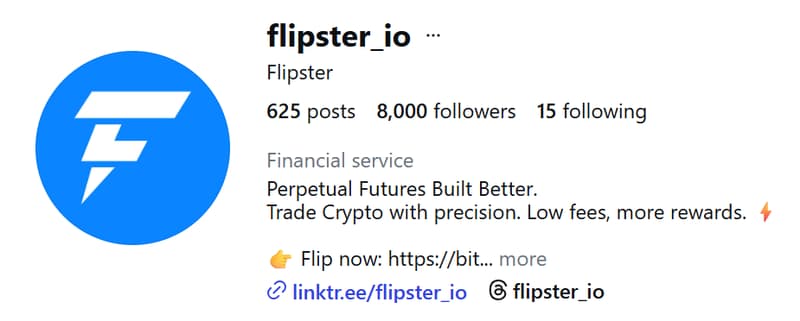
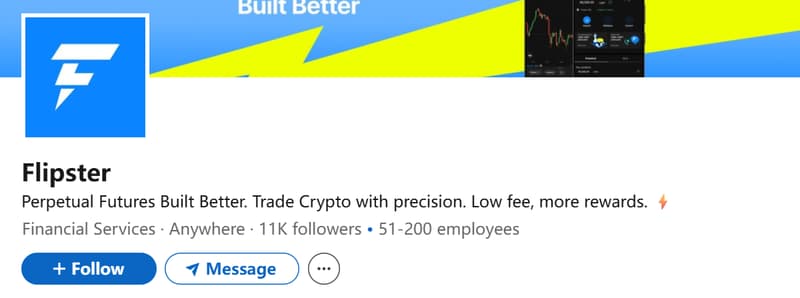
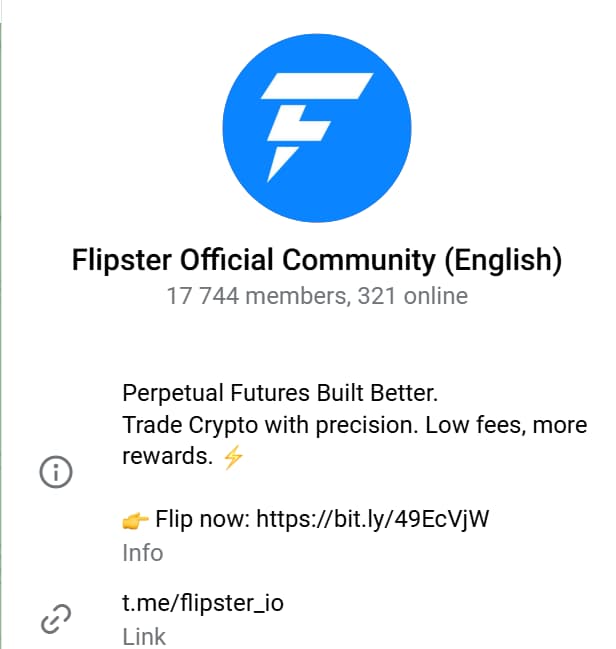
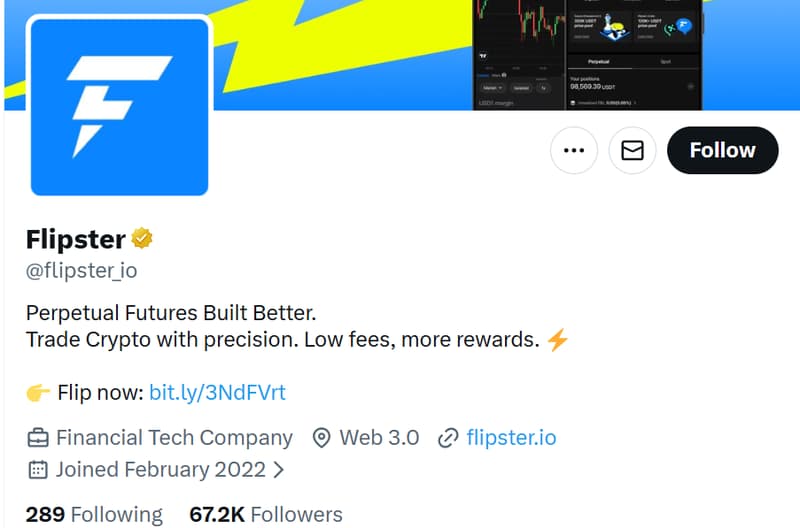
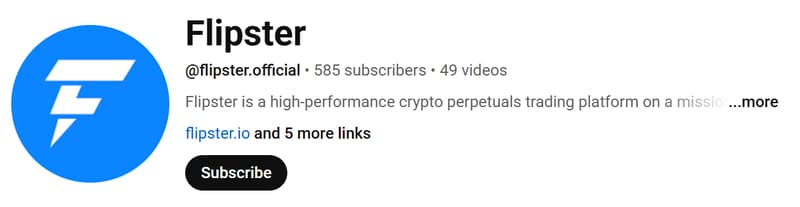
In terms of social media, Flipster covers six platforms: X, Telegram, LinkedIn, Instagram, Facebook, and YouTube, with a relatively complete social media setup. The community page on the official site lists Telegram, Facebook, Instagram, Twitter, and LinkedIn as official social media channels, indicating it is not a platform entirely lacking signs of public operation.
Combining public data, Flipster's social media development is not balanced, with X, Telegram, and LinkedIn having a stronger presence, serving as a vehicle for brand exposure, community interaction, and external image demonstration. In contrast, YouTube and Facebook have relatively weaker presence. Overall, its social media is more suitable as a supplementary observation item for public operational activity and should not be solely considered as decisive proof of the platform’s credibility.
Affiliate Policy
Regarding the promotional system, Flipster’s website discloses three mechanisms: Referral Plan, VIP Plan, and Affiliate Plan. The Referral Plan emphasizes that users can earn 25% of the referred user's trading fees as commission within 365 days after inviting a friend to register and trade. The Affiliate Plan is intended for more influential promoters, with the page stating a commission of up to 60%.
Structurally, this design is more akin to the common "user growth + affiliate cooperation" model in crypto platforms, rather than a single-agent system relying solely on IB channels as in the traditional brokerage industry. For the platform, this model helps expand traffic entry and community spread; for readers, it should be understood as part of marketing and user growth tools rather than direct evidence of the platform's compliance or strength.
Educational Resources
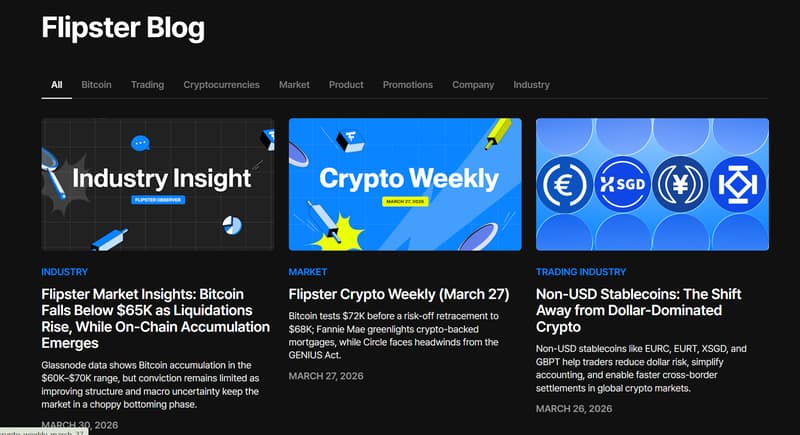
Flipster offers blog content under categories like Bitcoin, Trading, Cryptocurrencies, Market, Product, Company, and Industry. The articles primarily focus on cryptocurrency market dynamics, basic knowledge, product explanations, and industry trends, largely aimed at a crypto trading audience with general knowledge content.
From the public page, this content can serve as a basic information supplement, suitable for readers new to the platform or crypto trading for quick browsing. However, it is more oriented towards information and introductory explanations; whether it constitutes a systematic learning framework depends on the user's expectations for "educational resources," whether for basic understanding or advanced training.
User Reviews
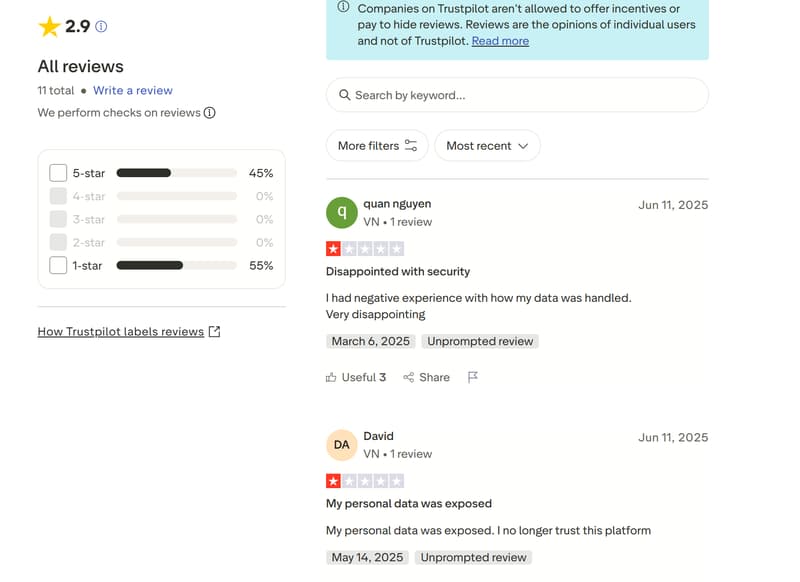
Currently, on Trustpilot, Flipster displays a score of 2.9 with 11 reviews visible on the page. This rating is not particularly high, suggesting that the platform has yet to show a robust reputation at least from third-party public evaluations.
For readers, such third-party reviews can serve as a window to observe platform service experiences, but the sample size is still small and better suited to be considered alongside website disclosures, product structure, and information transparency.
Website Interface Logic
Page Structure
The page structure of Flipster’s website is quite clear, with the homepage and navigation bar intuitively distinguishing main content like trading, product features, activity plans, and support, allowing users to quickly understand the core business direction upon visiting the site.
Navigation Design
In terms of navigation design, Flipster’s menu levels are clear with distinct divisions between major sections. Whether checking trading products, copy functionality, or entering blog, help center, and promotional plan pages, the path to finding information is relatively smooth.
Page Experience
Regarding page experience, Flipster’s website loading speed is relatively fast, with short wait times when switching between different sections, making the basic browsing process smooth. This front-end performance aids in enhancing reading efficiency and overall user experience during an initial visit.
Registration Form Content
Form Design
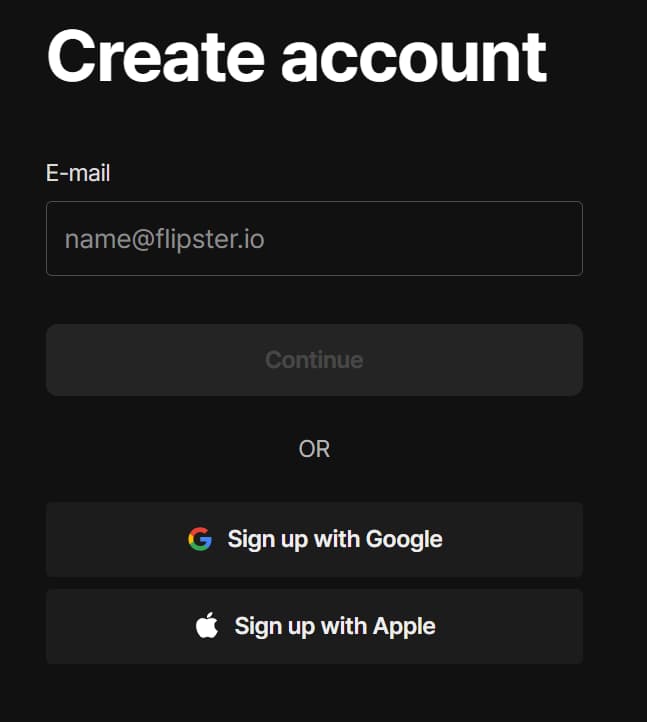
Flipster’s registration form is designed to be simple, without an overload of information, and the account opening entry is quite straightforward, allowing users to quickly enter the filling process, presenting a relatively efficient basic registration framework.
Field Setting
From the field setting perspective, the form content is clear, making it easy for users to understand the meaning of each information item during filling, providing a relatively intuitive initial registration path. This design helps reduce the cognitive load during the first registration, enhancing the smoothness of basic operations.
Educational Resources Assessment
Content Quality
Regarding content quality, these educational resources are generally basic, with limited coverage and not very deep, more oriented towards conceptual explanation and general introductions. For users with certain trading experience or seeking more specific practical methods, the reference value of such content is relatively limited.
Practical Performance
Considering actual usage needs, Flipster’s blog content still has a certain distance from real trading scenarios. It is relatively theoretical, with less content directly applicable to trading decisions, risk control, or strategy execution. Therefore, these educational resources are more suitable as basic reading supplements but offer limited help in practical applications.
Customer Support Test
Test Method
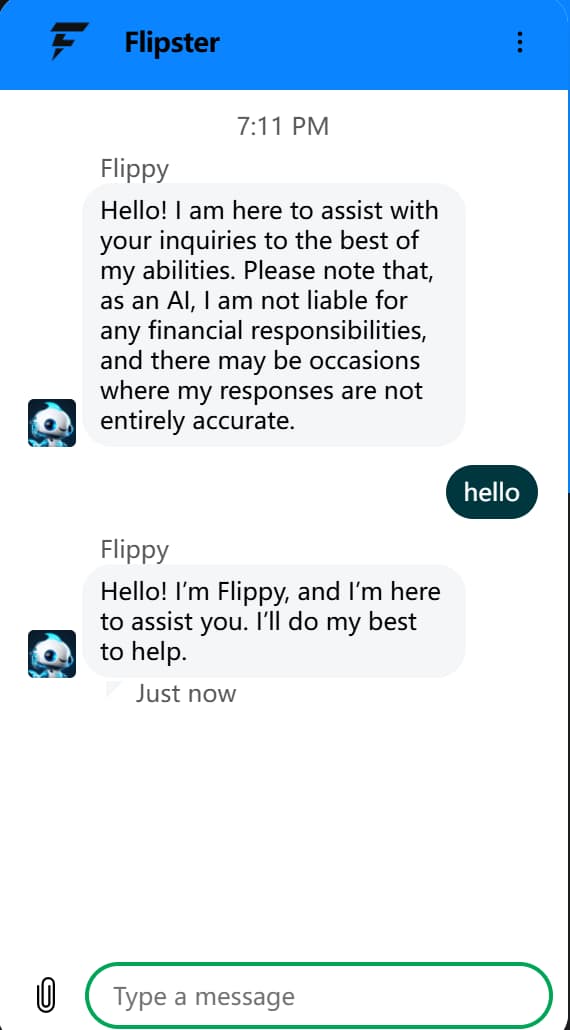
This customer support test mainly utilized the website’s live chat function. During testing, the chat entry opened normally, indicating the platform provides a usable online support channel on the front-end.
Test Results
Based on the actual test results, Flipster’s live chat is operational, sending messages received replies from an automated robot, indicating that its basic customer service system is functioning, at least capable of initial guidance and common issue diverts.
However, at this stage, it mostly demonstrates automated response capabilities rather than instant human intervention. So, this support method is more suitable for basic consultation issues, while response efficiency for more complex account, trading, or issue resolution needs further observation.
Social Media Insights
Update Frequency
In terms of overall operation cadence, Flipster's social media isn’t inactive but the update frequency is medium, sometimes with several days between new posts. For a platform centered on crypto trading, such update speed seems average and lacks promptness in content follow-up during fast market changes or significant events.
Content Quality
In terms of content, Flipster's social media does offer some value; certain posts can serve as product explanations, activity communications, or market information supplements. However, some content leans towards promotion, with low information density, offering limited readability and reference value.
Conclusion
Pros
- The platform has a clear focus, with core businesses concentrated in crypto perpetual contracts, spot, and copy trading, with a clear product direction.
- The website structure is clear, with defined navigation levels, fast loading speeds, and smooth basic browsing experience.
- The app trading path is clear, aligning more with the usage habits of crypto-native platforms.
- Wide social media coverage with consistent brand visual and promotional tone, suggesting a relatively complete public operation trace.
- Live chat functionality is usable, and messages can receive smart bot replies, indicating the availability of basic customer service entry.
- The platform includes a blog section to provide supplemental content on crypto markets and basic knowledge.
Cons
- No clear regulatory license information is visible, with a relatively limited regulatory disclosure at the public level.
- The website lacks an explicit account type system, making it difficult for users to quickly compare service or condition differences between tiers.
- Contact information disclosure is incomplete, lacking traditional corporate contact details like phone numbers and office addresses.
- Educational resources are primarily blog-based, with content that is basic, more theoretical, and less integrated with trading scenarios.
- Despite wide social media coverage, the update frequency and content quality are not completely stable, with some content having general reference value.
- User reviews are mixed, with a low Trustpilot rating, and there's no clear advantage in external reputation.
Overall, Flipster appears more like a platform focused on the crypto trading experience and product functionality, with a complete front-end display, social media layout, and basic trading framework that allows users to quickly understand its business direction. However, there is room for improvement in regulatory disclosure, account information transparency, contact completeness, and the depth of educational content. Based on current data, it has a certain foundation in product display and brand operation, but there is room for improvement in enhancing external trust and information transparency.
Disclaimer: The content here is based on public information and platform test experiences; actual results may vary depending on market conditions.
