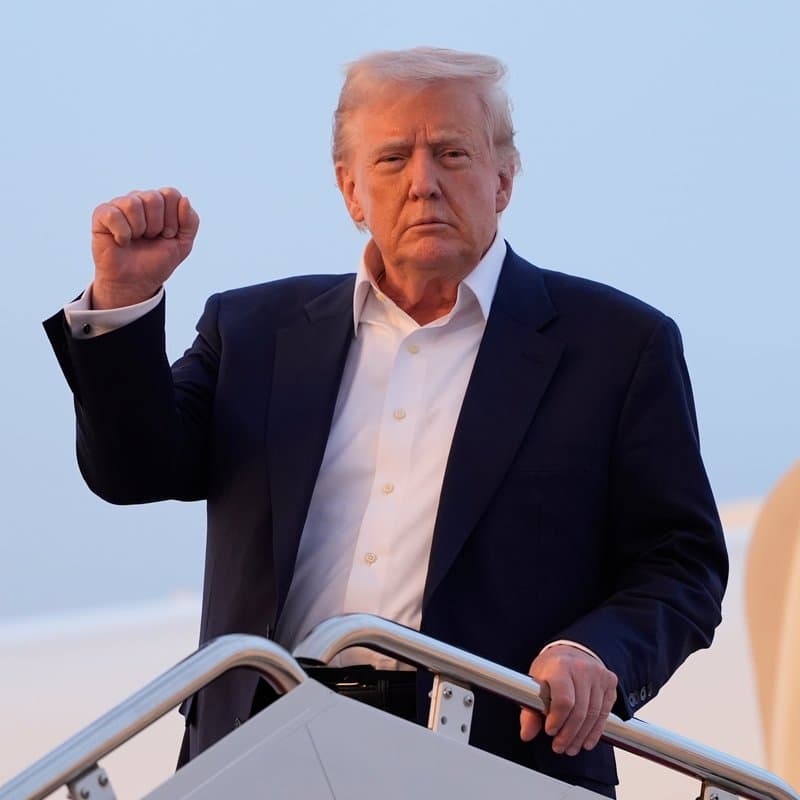
Trump Sends Early Personnel Signals, Testing the Fed's Independence
On August 5, 2025, U.S. President Donald Trump revealed in an interview with CNBC that he might announce the next Federal Reserve Chair candidate in the coming days and confirmed that a final decision will be made by the end of this weekend. Although there was speculation that Treasury Secretary Scott Besant was one of the top contenders, Trump clarified that he is no longer in the running. This move immediately sparked intense discussion in the markets regarding the future direction of Fed policy.
Trump stated that he has narrowed down the list of candidates to four, specifically naming former Fed Governor Kevin Warsh and former National Economic Council Director Kevin Hassett, calling them "two very exceptional Kevins." He also emphasized that the new chair should be more pragmatic and flexible, and not rigidly adhere to traditional doctrines.
It is widely believed that Trump is aiming to reshape the monetary policy framework by preemptively selecting members of the council, pushing for a more aggressive easing strategy.
Rate Cut Expectations Surge, 50 Basis Point Window Opens
Whether the Fed will significantly cut interest rates in September has become the most sensitive issue in the market. With July's nonfarm payrolls significantly below expectations at just 73,000, and revisions cutting the previous two months' data by 260,000, the weak performance of the labor market has led investors to bet that the Fed might not only cut rates by 25 basis points but could even "go all the way" with a 50 basis point easing measure.
According to the CME's "FedWatch" tool, the probability of a 25 basis point cut in September has risen to 89%. Investment banks like Goldman Sachs and Citi have warned that if August's employment data continues to be weak, the Fed may have to enlarge the rate cut to tackle recession pressures.
Morgan Stanley's latest report noted that the continuous revision of nonfarm data has increased the probability of a U.S. economic recession by 9 percentage points, further strengthening market bets on a Fed shift.
Interplay of Political and Economic Signals, Diverging Monetary Policy Prospects
Amid Trump's frequent criticism of Powell for being "too slow in cutting rates," this personnel arrangement is widely seen as a key move in his attempt to "rewrite the Fed's roadmap." Analysts noted that if the new chair is more forward-looking in easing, the market will face a more flexible policy expectation management landscape in the future.
However, some economists also caution that an overly politicized Fed appointment could undermine the central bank's independence and affect global confidence in dollar assets.
Citi's strategy team pointed out that the current private sector employment annual growth rate is only 0.7%, already below the warning line before the economic recession; meanwhile, terminal consumption remains weak, and both services and manufacturing indices are declining, indicating a significant slowdown in economic momentum.
Emergence of Recession Shadows, Policy Shift Urgent
According to First Financial quoting JPMorgan's Senior Economist Nora Szentivanyi, unless there is a strong recovery in consumption in the coming weeks, the Fed will be forced to implement a significant rate cut at the September FOMC meeting to prevent the spread of recession. She believes the probability of the Fed slipping into "technical recession" this year has risen to 40%.
More importantly, current high-frequency data and market signals are simultaneously pointing to the "risk of policy delay" accumulating. Against this backdrop, Trump's open statement about nominating more effective candidates has further boosted market pricing for rate cut actions.
Personnel Maneuvering and Data Pressure, the Fed at a Crossroads
Trump's statements about the new Fed chair have accelerated the monetary policy maneuvering process. With signs of economic slowdown becoming increasingly apparent, policymakers face unprecedented pressure to adjust rates. If future personnel arrangements indeed lead to more aggressive advocates taking charge, the Fed's mid-term policy path could be completely rewritten. This would not only impact the U.S. domestic financial environment but also stir profound reactions in global capital markets.