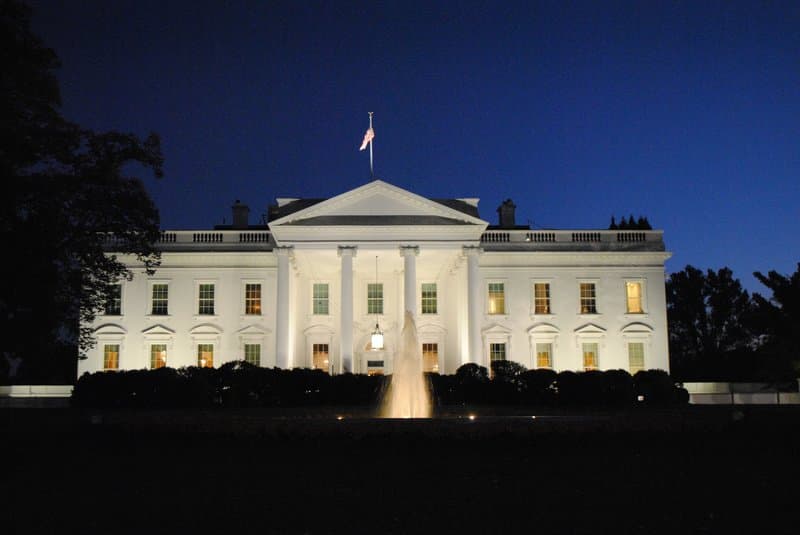
There has been a significant new development in the process of cryptocurrency regulation legislation in the United States. The White House recently disclosed that the relevant Senate committees have reached a consensus on the review timeline for the cryptocurrency market structure bill, with discussions expected to formally begin early next year.
Senate Committees Confirm Legislative Timeline
The head of Artificial Intelligence and Cryptocurrency Affairs at the White House recently stated that the U.S. Senate Banking Committee and the Agriculture Committee have planned to review a key cryptocurrency market structure bill in January. This statement indicates that the bill has entered a substantive promotion stage at the congressional level.
Informed sources point out that these two major committees hold important jurisdiction in cryptocurrency asset regulation, and their simultaneous participation is seen as a key signal for a coordinated advancement in the legislative process.
White House Signals Support to Promote Policy Coordination
From the White House's statements, it is apparent that the executive branch is actively cooperating with Congress to advance the construction of a crypto regulation framework. Key officials emphasized that establishing clear, enforceable market rules is crucial for ensuring financial stability, promoting technological innovation, and protecting investor interests.
Analysts suggest that the White House's proactive disclosure of committee communications indicates the government's desire to form a cross-departmental, cross-agency policy consensus on cryptocurrency issues to avoid fragmented regulation.
Market Structure Bill Becomes Central Regulatory Topic
The market structure bill is widely regarded as a key component of the U.S. crypto regulatory system. The core goal of the bill is to clarify the legal attributes of different types of crypto assets and delineate the responsibilities of various regulatory bodies in enforcement and oversight.
For a long time, the crypto industry in the U.S. has faced unclear regulatory authorities and ambiguous compliance paths. Industry insiders believe that if the market structure legislation can be implemented, it will help reduce compliance uncertainties and provide a foundational system for the industry's long-term development.
Banking and Agriculture Committees' Roles Are Under Close Watch
The Senate Banking Committee typically oversees financial system stability, securities, and banking regulations, while the Agriculture Committee holds significant functions in regulating commodity futures and derivatives. The joint participation of these two committees reflects the complexity of crypto assets, which span securities and commodity attributes.
Analysts point out that this dual committee collaborative legislative model may serve as a reference path for addressing new financial asset issues in the future.
Industry Awaits Clear Regulatory Boundaries
The crypto industry generally holds a cautiously optimistic attitude towards the start of the bill's review. Some companies believe that a clear regulatory framework will help attract long-term capital and promote compliance innovation; however, there are concerns that overly stringent regulations might stifle industry vitality.
Market participants indicate that the final content of the bill will play a crucial role in balancing innovation and risk control, with its details becoming the focus of industry attention.
Legislative Process Remains Uncertain
Although the review timeline is tentatively agreed upon, whether the bill can be smoothly passed and the specifics of its final version remain uncertain. Opinions within Congress on crypto asset risks, consumer protection, and financial stability are not entirely aligned.
Moreover, changes in the political environment, election cycles, and other priority issues could also impact the legislative pace.
Crypto Regulation Enters a Critical Observation Period
Overall, the Senate's plan to review the cryptocurrency market structure bill in January marks a move from the discussion stage to the institutional construction stage in U.S. crypto regulation. As the related processes advance, policy directions will become increasingly clear.
In the coming months, the progress of discussions on this bill and the statements from various parties may profoundly influence the development environment of the U.S. crypto market and provide significant reference for global crypto regulation.