
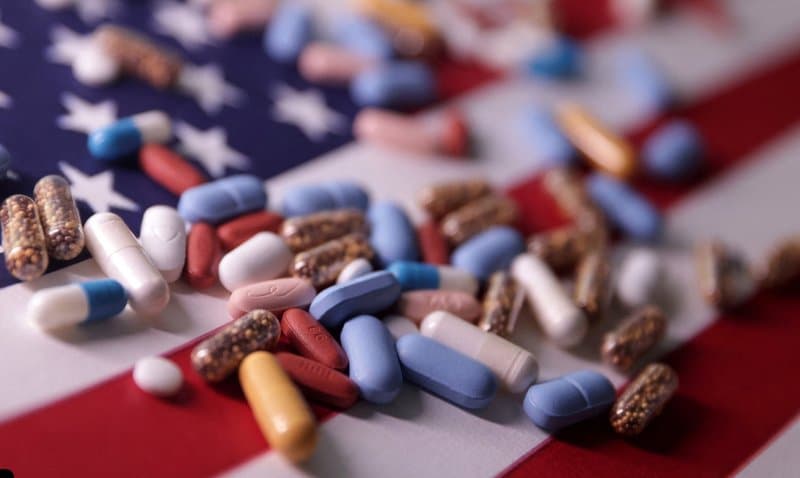
Drugs Included in Tariff List, Pharmaceutical Industry May Bear the Cost of Agreement
As U.S.-EU trade negotiations progress, clauses in the latest draft agreement concerning drug taxation have raised widespread concern in the industry. According to multiple market research institutions, if the proposed 15% uniform tariff is implemented, Europe’s pharmaceutical industry could face additional costs of $13 billion to $19 billion, breaking the longstanding precedent of tariff-free trade in pharmaceuticals.
In terms of value, pharmaceuticals are the largest category of EU exports to the U.S., currently accounting for about 60% of U.S. imported drugs. Changes in tariffs will cause structural disruptions to the existing supply framework, particularly affecting exporters primarily dealing in bulk generic drugs and high-value brand drugs.
Analysts Divided, Industry Strategies Emerge
Although the agreement has not been formally signed, the investment community is clearly divided on its potential consequences. Some analysts believe the tariff cap may ultimately be lower than 15%, and certain drug categories might be excluded from tariffs. However, others warn that if the policy is implemented, the impact could be significant, especially as the cost transmission mechanism remains unclear, potentially affecting end consumers.
Pharmaceutical companies are already responding in various ways. Large multinationals like Roche are proactively increasing stockpiles in the U.S. to preempt potential policy disruptions. Sanofi is optimizing its production layout through methods like transferring factory operations to mitigate the impact of tariff hits on logistical routes.
Clarification Needed on Generic Drug Exemptions, Scope of Waivers a Focus
Notably, preliminary documents suggest some generic drugs might qualify for exemptions, but details remain unclear. Analysts broadly focus on whether the final agreement will differentiate between generics and brand drugs, or establish a specific list of exempted sensitive drugs.
This is crucial for companies like Sandoz, which focus on exporting high-cost-performance drugs. If policy exemptions are obtained, they could maintain competitive strength in the U.S. market.
Drug Prices May Be Affected, Consumer Burden a Concern
From a supply chain perspective, the rise in tariff costs could gradually be transferred to drug prices. While some companies may mitigate short-term impacts through stockpiling, optimizing procurement, and supply contracts, in the long term, if sustained tariffs become the norm, retail drug price increases might be unavoidable.
Moreover, considering the global baseline cost system for drug pricing, increased U.S. market tariffs might trigger a "price comparison" effect in other countries, indirectly impacting the international drug pricing structure and reducing drug accessibility in low-income countries.
National Security Review Pending, Policy Direction Needs Continual Monitoring
It is notable that the U.S. has included the pharmaceutical industry in its national security investigation, adding a policy variable to this tariff adjustment. The Trump administration previously indicated that it might impose higher tariffs on specific industries. Although mainstream predictions do not favor further tax hikes, if diplomatic negotiations stall, this risk cannot be entirely ruled out.
Institutions like UBS call for a special review mechanism for drugs to be established by the U.S. and the EU before negotiations are finalized, ensuring the safe circulation of essential drugs and preventing policy spillover into the global public health domain.









