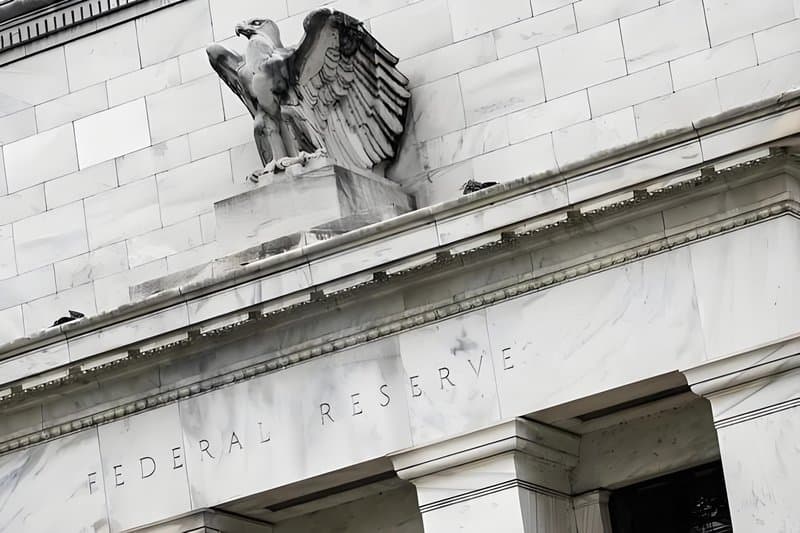
Federal Reserve Forecast Discrepancies Draw Market Attention
As the September interest rate meeting approaches, the market generally anticipates a new round of easing by the Federal Reserve. However, economic forecasts from various regional Feds show unprecedented discrepancies, which not only confuse investors but also pose new challenges for policymakers.
Unusual Split in GDP Forecasts
Currently, the "instant forecasts" from the Atlanta, St. Louis, and New York Feds show significant differences. The Atlanta Fed predicts a robust 3% growth, while the St. Louis Fed estimates just 0.6%, with the New York Fed in between. Such differences exceed the normal range of fluctuations, indicating contradictory economic signals. Some analysts point out that this gap reflects both differences in modeling approaches and the complex and volatile current economic situation.
Employment Data Become Policy Focus
The latest employment report shows a continued decline in the number of new job positions, with the unemployment rate nearing a critical point. This trend reminds the market of the rate cut background in September last year, when the Federal Reserve adjusted its policy due to a weakening labor market. A similar situation might force policymakers to act more swiftly this time. Meanwhile, the Bureau of Labor Statistics’ annual revision results could add pressure; should the job growth revisions be more negative than expected, market confidence might be further shaken.
Betting on Rate Cuts Intensifies
Amid growing uncertainty, the futures market has responded quickly. Recent data show a significant increase in investor expectations of a cumulative rate cut of over 75 basis points within the year. This trend suggests that the market is betting the Fed will have to accelerate its easing pace in response to weak data.
Optimism and Pessimism Coexist
Despite pressure on employment and some macroeconomic data, not all institutions hold a pessimistic view. Investment banks like Morgan Stanley believe that the U.S. economy is in a "rolling recovery" phase, where different industries experience recession and rebound one after another, with the overall trend gradually improving. They emphasize that the labor market often lags behind the broader economy, while the stock market has already reflected future trends.
Investor's Dilemma
Facing contradictory forecasts and data, investors are in a bind. On one hand, weak employment and GDP discrepancies cool risk appetite; on the other, rising rate cut expectations provide support to stock and bond markets. Analysts warn that short-term volatility could intensify, while the long-term trajectory depends on whether the Fed can maintain policy flexibility while stabilizing market confidence.
Uncertainty Still Looms Large
Overall, the U.S. economy is in a state of "data conflict," with different indicators and forecasts showing opposing signals. This environment tests market patience and determines the flexibility of Fed policy. Whether accelerating rate cuts or maintaining a wait-and-see stance, each approach will have widespread ripple effects. In the coming months, the tug-of-war between economic data and policy orientation could become one of the most closely watched focal points in global financial markets.