Nikkei 225 Index Opens Higher Driven by Capital Influx
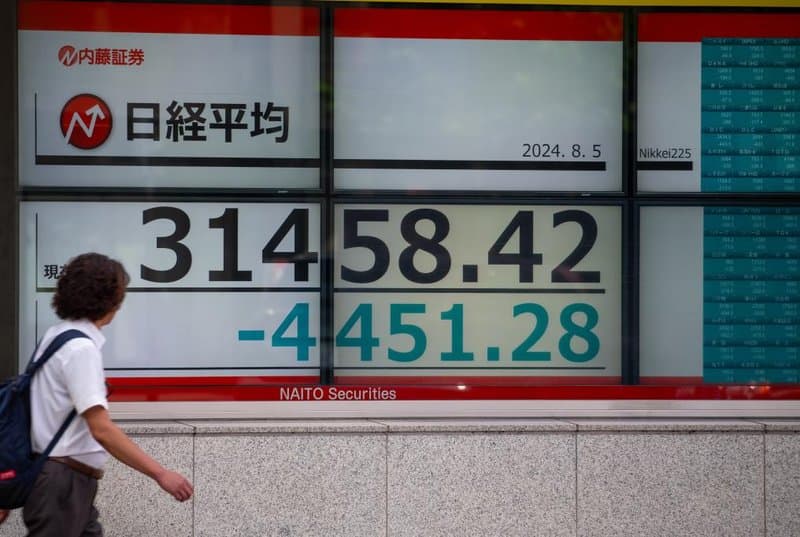
The Tokyo stock market opened on a positive note on Monday, with the Nikkei 225 index rising by 0.8% to stand at 42,977.27 points. Analysts highlighted that the collective strength of automotive and brokerage stocks was the primary driving force. With the yen recently remaining in a relatively stable range, the earnings expectations for export-oriented companies have improved, prompting active market buying.
South Korea's KOSPI Also Strengthens
Echoing the Japanese market, South Korea's composite stock price index (KOSPI) also rose by 0.8% to 3,195.14 points. Investor sentiment in South Korea has improved, supported by a recovery in the semiconductor industry and inflows of foreign capital. Electronic and chemical stocks, in particular, attracted investment, indicating growing market expectations for a rebound in South Korean exports.
Sector Rotation Becomes the Focus
In the Tokyo market, the rally in the automotive sector reflects the dual benefits of stable global demand and domestic policy support. Meanwhile, active trading in brokerage stocks indicates an improvement in market sentiment. In South Korea, some financial institutions and tech giants performed steadily, providing solid support for the index. Analysts believe that sector rotation is apparent in the Japanese and Korean markets, with capital flows concentrating in industries with medium to long-term growth potential.
Global Macro Background Supports Sentiment
Investors are generally focusing on the global economic data to be released this week, including the U.S. employment report and European inflation indicators. These data points will provide guidance for the future trend of Asian stock markets. Meanwhile, with geopolitical tensions temporarily stable, investors are more willing to increase their allocation to Asian assets amid a rising risk appetite.
Foreign Capital Inflows and Regional Linkage
Recently, the proportion of foreign holdings in Japanese and South Korean stock markets has increased. Japan’s market has attracted international investors due to valuation adjustments and improvements in corporate governance, while South Korea has drawn long-term capital inflows thanks to the global competitiveness of its semiconductor industry. The linkage effect of regional markets is strengthening, positioning the Japanese and Korean stock markets as role models in the Asian capital market.
Outlook and Risk Warning
Although the Japanese and Korean stock markets opened positively today, analysts caution that future trends depend on uncertainties in the global financial environment. The Federal Reserve's interest rate decisions, fluctuations in international energy prices, and policy movements of major economies could all become critical variables affecting the stock markets. Overall, the current resilience of the Japanese and Korean stock markets is strong, but investors should remain cautious.