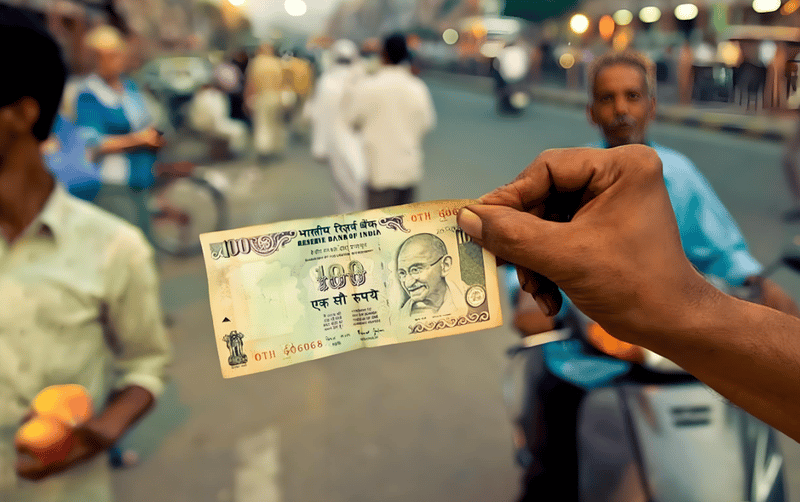
Tax Reform Plan Announced Before Festival
Indian Prime Minister Narendra Modi stated on Friday that the government will reform the nationwide GST system and lower some tax rates before the Diwali festival in October this year. This move aims to alleviate cost pressures on consumers and businesses while creating a more favorable economic environment for the holiday shopping season.
Modi emphasized that the government has consulted with several state governments and financial departments to optimize the tax rate structure, simplify the collection process, and introduce lower rates in key industries as part of this reform to boost market vitality.
Promoting Consumer Spending and Manufacturing
Analysts point out that the festive season during Diwali in India significantly boosts the annual economic growth. By reducing GST rates before the festival, the government hopes to drive household spending growth, increase orders in the retail, manufacturing, and service sectors, thereby enhancing overall economic activity.
Especially amidst inflationary pressures and a global economic slowdown, tax cuts are seen as an essential tool to stimulate domestic demand and stabilize employment. This tax reform is expected to focus on sectors like home appliances, electronics, clothing, and food processing, which are closely tied to holiday consumption.
Direction of Tax System Reform
According to finance ministry officials, the main goals of this GST adjustment include:
- Reducing the burden on some high-tax-rate categories, to ease cost pressures on consumers;
- Simplifying tax rate tiers, reducing the complexity of taxation and compliance processes for businesses;
- Introducing digital monitoring tools, to enhance tax transparency and efficiency.
Economists believe that if the reform is successfully implemented, it will further enhance the sustainability of the GST system and provide a more stable operating environment for small and medium-sized enterprises.
Market and Business Reactions
The Indian business community generally holds a positive attitude towards Modi's tax reform statement. The retail industry association indicates that pre-festival tax cuts will directly increase consumer purchasing power and help drive seasonal sales peaks. Manufacturing representatives believe that reducing the tax burden can not only stimulate domestic orders but also potentially enhance export competitiveness.
However, there are also views that warn that tax cuts need to balance fiscal revenue to avoid short-term tax revenue declines that could impact government investment plans. Therefore, finding a balance between stimulating the economy and maintaining fiscal stability will be key in policy formulation.
Potential Impact on Economic Growth
The Indian economy is currently maintaining medium to high-speed growth but still faces challenges such as global trade uncertainties, fluctuating energy prices, and slow recovery of rural consumption. If tax reforms and reductions effectively unleash consumption potential, India is expected to achieve higher GDP growth in the second half of the year.
Market research institutions predict that pre-festival tax cut measures could lead to a retail sales increase of 5% to 8%, with some durable and luxury goods categories possibly achieving double-digit growth.
Outlook
Modi's statement is not only an important signal of economic stimulus policy but is also seen as a strategic move to consolidate the ruling party's public support before the festival. Going forward, the market will closely watch the announcement of tax reform details and the timeline for implementation.
Against the backdrop of a complex and volatile global economic landscape, India’s adjustment of the GST to invigorate domestic demand may prove to be a vital measure to maintain its economic resilience and competitiveness.