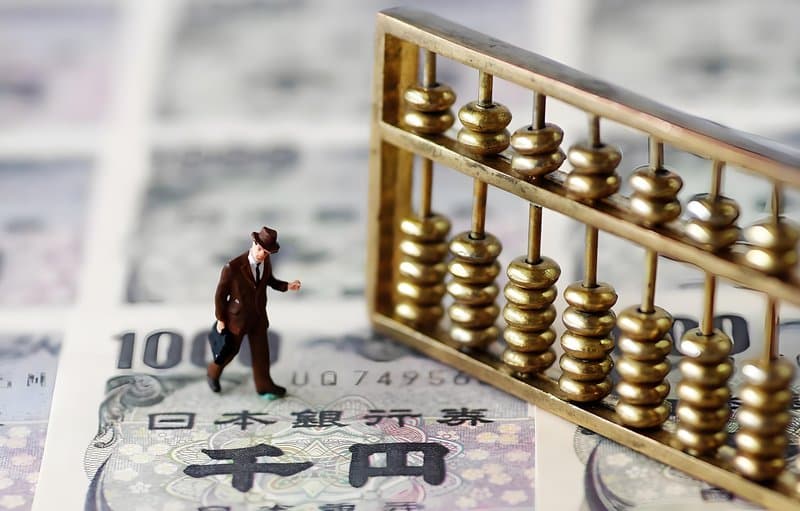
Rising Expectations for Rate Hikes, Japan's Central Bank's Policy Direction Under Scrutiny
As the Bank of Japan approaches its key policy meeting at the end of this year, external attention on its next steps continues to rise. Hideo Hayakawa, a former Bank of Japan board member with a long tenure, recently stated that Japan's monetary policy might soon enter a more clear and continuous normalization phase. He expects that from short-term anticipated rate hikes to four possible increases by 2027 in total, Japan is moving from a zero interest rate era towards a new phase of positive interest rates.
Former Official: The BOJ May Feel "Behind the Curve," Needs More Active Actions
Hayakawa pointed out that in the face of structural changes in prices and wages and clear signs of prolonged inflation, the Bank of Japan may have realized that the current policy stance is lagging. He believes that Governor Kazuo Ueda may hint through the meeting's wording that future rate adjustments will not be a one-off action but will have a more cyclical rhythm.
The market generally predicts that on December 19th, the Bank of Japan will raise the policy rate to 0.75%, marking the first rate hike of the year. Hayakawa further estimates that if the policy pace returns to the frequency of “once every six months,” there will still be room for three rate hikes between 2025 and 2027, eventually raising rates to around the 1.5% range.
Neutral Rate Becomes a Key Reference Indicator
For policymakers, the neutral rate—one that maintains economic stability without causing stimulation or restraint—is an important consideration for future paths. The Bank of Japan previously provided a reference range of 1% to 2.5%, but this estimate is relatively broad. Hayakawa suggests that as economic data is updated, the central bank may offer a more focused range in the future to help the market judge the policy route.
He believes that revised economic outlooks may offer more explanations in next January's quarterly report, including trends in wage growth, corporate investment directions, and the underlying inflation structure, which all affect the evaluation of the neutral rate.
Ueda Sends Clear Signals, Policy Tone Expected to Remain Mild
Having known Kazuo Ueda for over 40 years, Hayakawa noted that Ueda's recent public speeches clearly hint at a policy shift. He believes that Ueda is clear about the possibility of future rate hikes, while still emphasizing that even if rates rise, the overall policy environment remains in the easy range, aiming to balance market concerns over fiscal and monetary policy coordination.
Ueda has repeatedly expressed that the decision team will act after thoroughly assessing economic risks. He emphasized that the Bank of Japan must ensure economic recovery momentum while preventing inflation from spiraling out of control. Such statements leave a broad space for policy interpretation by the market but also further confirm that the BOJ has begun phasing out its prolonged ultra-loose stance.
Market Preparing for Policy Continuity, but Reactions May Vary
Financial market participants generally believe that if the Bank of Japan gradually enters a rate hike cycle, it could lead to a temporary strengthening of the yen and add further upward pressure on bond yields. However, for the overall Japanese economy, appropriate interest rate normalization is seen as a necessary step to improve resource allocation and enhance the robustness of the financial system.
Analysts point out that the Bank of Japan's future challenge is to gradually exit the extraordinarily loose mode while maintaining market stability, without excessively impacting corporate financing and household spending. As policy statements are about to be released, global investors are closely watching every subtle change in Ueda's wording.