“Baby Accounts” Trigger New Political Controversy
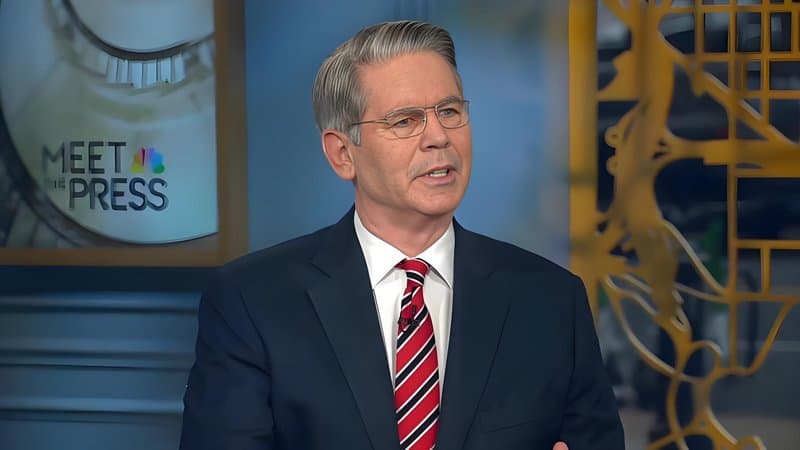
In the new wave of tax cuts and fiscal legislation being pushed by the Trump administration, "baby accounts" have become a focus of public attention. Although the White House emphasizes that this move aims to enhance the wealth accumulation capacity of the next generation, Treasury Secretary Scott Beesent stated in a speech this week that the mechanism could become an implicit channel for privatizing social security, sparking intense discussions among policymakers and public welfare advocates.
Investment Accounts for Newborns Aim to Foster Savings
According to the new bill, American children born from January 2025 to January 2029 will automatically receive a government-funded personal investment account at birth, with an initial amount of $1,000. This account will be invested in index funds linked to the overall stock market, managed by parents or legal guardians, and can accept additional contributions of up to $5,000 annually. The policy is touted as an initiative designed to enhance family financial security and encourage long-term savings and investment.
The Treasury Department stated that the specific details of the plan's implementation, including withdrawal timing and investment restrictions, are still being formulated. However, the design of the account has already prompted scholars and policy analysts to discuss its institutional direction.
Beesent Issues Warning, Hints at Systemic Risks
In an unusually candid critique at an economic forum, Treasury Secretary Beesent said, “While the accounts themselves have certain social value, they are replicating the logic of privatized pension systems.” He further pointed out that if millions of baby accounts accumulate substantial assets before adulthood, it could affect public confidence and reliance on the traditional social security system, thereby undermining the foundation of the American federal social security plan.
He emphasized, “This is not the protective model we're accustomed to; social security should be a mechanism of universal participation and shared risk.” Beesent worries that once the “alternative savings mechanism” is promoted on a large scale, the social security system might become marginalized, leading to a shift towards privatization.
Social Security Faces Challenges, Democrats Voice Opposition
According to the Social Security Trust Fund annual report released in 2025, the program will deplete its reserves by 2033 and will be unable to fully pay all retirement and disability benefits. This fact has made the reform of the social security system a focal point of debate between the two parties.
Democratic Senator Ron Wyden immediately supported Beesent’s view and publicly questioned whether the “baby account” intends to promote social security privatization through a backdoor approach. He warned that “this is another longstanding conservative goal quietly taking shape,” and urged Congress to conduct more rigorous legislative scrutiny and ethical audits on this matter.
White House Responds Call it a “Supplementary Mechanism”
Amid the external doubts, Beesent later explained in a post on social media platform X, stating that the account plan “is not a replacement for social security but rather a long-term asset accumulation mechanism for the new generation.” He stressed that the Trump administration promises not to weaken social security, but rather continue to support it as a core public welfare system.
The White House also issued a statement indicating that the plan's goal is to encourage a long-term investment mindset and avoid cycles of generational poverty, rather than reduce existing benefits.
Policy Vision and Institutional Divisions Coexist
As a new attempt by the U.S. government’s financial tools, the “baby account” is intended to strengthen family asset accumulation and financial literacy education. However, as it touches on the boundaries with public welfare systems, the resulting controversy also reveals the longstanding tension among U.S. policymakers between “incentivizing individuals” and “ensuring universal protection.”
In the future, whether this policy can become the asset springboard for a new generation in America as originally intended, or gradually evolve into a pilot ground for social security reform, remains to be seen. The debate surrounding the core function of social security is destined to continue fermenting in the 2025 election year.