
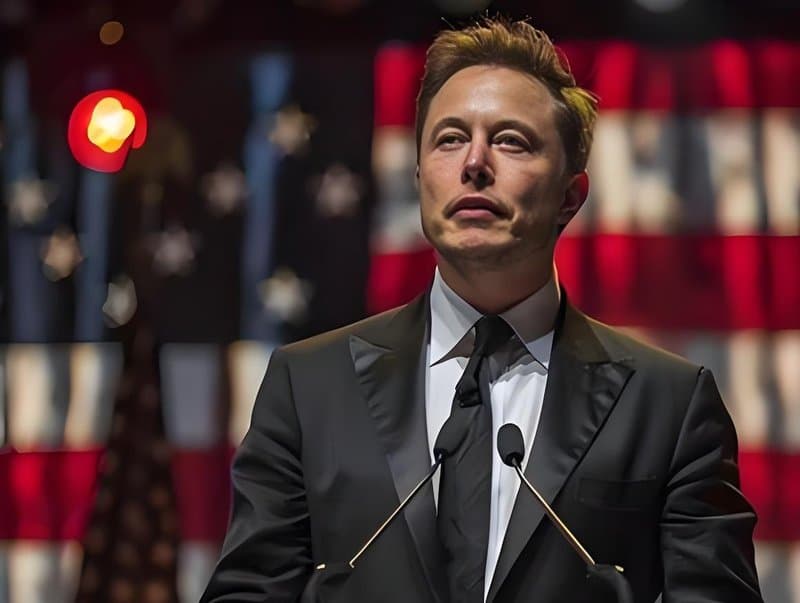
Public Accusation Stirs Up Waves Again
On the morning of October 11, Elon Musk, CEO of Tesla and SpaceX, took to social media platform X once again, bluntly stating that OpenAI is "built on lies" and accused it of deviating from its original nonprofit mission. Musk claimed the organization "stole charitable funds and converted them into its own commercial interests." This statement quickly sparked heated discussions in the tech and investment circles.
User Interactions and Public Reaction
Under Musk's post, many users left comments expressing skepticism, with someone bluntly stating, "Wasn't it supposed to be a nonprofit organization?" To this, Musk responded with a meme giving "full marks approval," further reinforcing his critical stance. The public discourse quickly intensified, with numerous comments focusing on the transparency of OpenAI's organizational structure and funding operations. Some users believe Musk's remarks reflect a deep-seated dissatisfaction within the industry regarding the governance of AI institutions.
Historical Background and Escalation of Conflict
The relationship between Musk and OpenAI has long been enigmatic. As one of OpenAI's early co-founders, Musk had initially promised to promote openness and safety in artificial intelligence. However, with OpenAI's establishment of a "limited profit company" structure in 2019 and the acquisition of billions of dollars in investment from Microsoft, external skepticism emerged, questioning whether it had gradually strayed from its nonprofit origins. Musk has repeatedly criticized OpenAI for "deviating" publicly and even launched a lawsuit against the company in 2023, accusing it of breaking initial promises.
Industry Impact and Competitive Landscape
Musk's recent remarks have once again thrust OpenAI's business model into the spotlight. Against the backdrop of the rapid development of artificial intelligence, the battle between large tech companies and startups over funding sources, technological openness, and safety norms has become increasingly intense. Analysts point out that as generative AI becomes one of the most sought-after segments in capital markets, the conflict between "profit and public good" may persist in the long term.
Meanwhile, Musk's own AI venture, xAI, is also rapidly expanding and is currently preparing to raise billions of dollars to promote the construction of its super data centers. This has sparked debate regarding Musk's motives for criticizing OpenAI: It could be out of a stance to uphold industry transparency, or it could be influenced by commercial competition considerations.
Responses from Various Parties and Future Direction
As of now, OpenAI has yet to formally respond to Musk's latest remarks. The organization has previously emphasized several times that its "limited profit model" is designed to ensure adequate funding to advance cutting-edge research while maintaining a long-term mission orientation. However, critics argue that this model presents a logical paradox—pursuing profit while trying to maintain a public good image.
Legal experts indicate that if Musk's accusations escalate further, it could trigger regulatory investigations into OpenAI's financial and governance structures. This is not only about the reputation of a single company but could also impact the trust foundation of the AI industry.
Conclusion
The conflict between Musk and OpenAI has transcended personal grievances, gradually evolving into a values-driven debate over the future direction of the AI industry: Should it adhere to a public good orientation, or shift towards capital-driven motives? As the AI industry enters a period of rapid expansion, this debate will undoubtedly have a profound impact on the industry's landscape and public trust.









