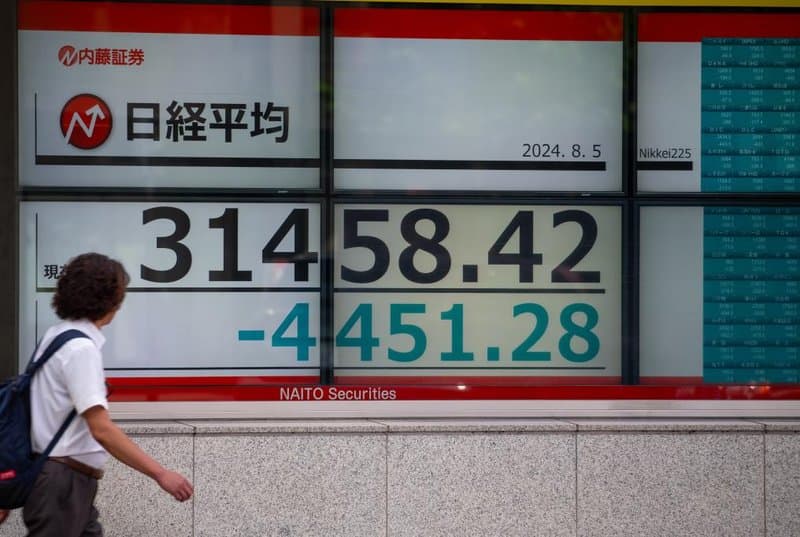
Management Buyouts Attract New Market Attention
The Tokyo Stock Exchange has drawn significant attention recently due to an increase in management buyout (MBO) cases. Since new regulations were implemented on July 22, several listed companies have announced privatization plans, raising concerns about the protection of minority shareholder rights. While the new rules require higher transparency, whether they are sufficient to avoid potential conflicts of interest remains a contentious issue.
New Regulations in Place, Loopholes Persist
Under the new regulations, any MBO or delisting transaction initiated by controlling shareholders must disclose the pricing basis and procedural details to ensure fairness. However, market observers believe these regulations are more formal than effective, leaving investors' concerns largely unaddressed. Some legal experts point out that as long as companies follow the procedures, they can claim the transaction is fair, which may not effectively prevent minority shareholders from being subjected to unfavorable conditions.
Continuous Cases, Intensifying Privatization Wave
In just a few weeks, several well-known companies have announced plans to go private through MBOs. For example, Pacific Industries, a member of Toyota's supply chain, and Soft99, a manufacturer of automotive care products, both plan to use management buyouts for privatization. These transactions indicate companies' desire to make strategic adjustments away from the pressures of the capital market, but they also raise questions about whether the delisting prices are fair and whether investors receive equitable treatment.
Investors Worry About Interests Being Compromised
Minority shareholders widely fear that when major shareholders or management lead a buyout, the pricing may favor internal interests to the detriment of public investors' rights. Especially in a complex economic environment with intensified market volatility, investors are more likely to become the "weaker side." Though the Tokyo Stock Exchange's new rules increase information disclosure requirements, both investors and experts call for further introduction of independent third-party evaluation mechanisms or mandatory fairness opinions to ensure transactions are genuinely transparent and reasonable.
Regulatory Pressure, Call for Reforms Rising
A spokesperson for the Tokyo Stock Exchange stated that the exchange will continue to monitor the implementation of the new regulations and assess whether further adjustments are needed. In the future, there might be additional supervision measures considered to enhance the system's effectiveness. Financial regulators have noted that while the Japanese capital market has been striving to improve its international appeal, failing to respond effectively to doubts about investor protection could affect its competitiveness in the global market.
Transparency and Credibility Are Key
Analysts believe that while management buyouts are a common tool in capital markets, they are not problematic in themselves. However, a lack of transparency and fairness mechanisms will inevitably undermine market confidence. As the number of cases increases, the pressure on the Tokyo Stock Exchange will only become more pronounced. Balancing the need for companies to develop flexibly while ensuring shareholder rights are not diluted will be a critical issue for future regulatory reforms.
Overall, the Tokyo Stock Exchange is at a crossroads where balancing corporate demands and investor protection is crucial. The implementation of new regulations is just the first step; deeper institutional improvement and enforcement will determine whether the Japanese capital market can maintain its reputation and attractiveness in global competition.