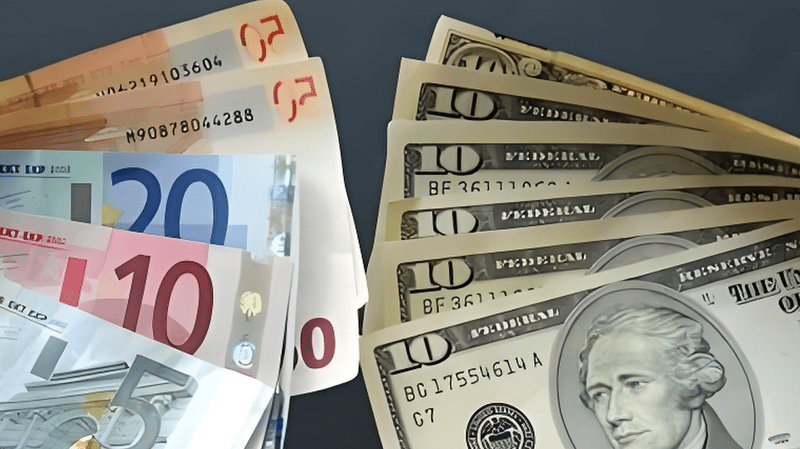
A Glimmer of Hope in EU-US Trade Talks, Reciprocal Tariffs the Focus
As tensions in EU-US trade relations continue to escalate, a proposal for a unified 15% tariff, which may reshape global trade patterns, is becoming clearer. Several diplomatic sources reveal that both sides are engaging in intensive discussions around a unified benchmark tariff rate, aiming to reach a preliminary agreement by August 1. If implemented, this plan would lay the foundation for stability in transatlantic trade.
The talks reportedly involve subjecting most US exports to the EU to a unified 15% tariff framework, while the EU seeks to include key industries such as automobiles, pharmaceuticals, and semiconductors in the negotiation results, in exchange for the US commitment to lower punitive tariffs.
High Tariff Threats Loom, Europe Seeks "Limited Exemptions"
Despite optimistic progress in the negotiations, the situation is still unclear. US President Trump previously stated that if no agreement is reached by August 1, the US will impose punitive tariffs of up to 30% on EU goods. Currently, the US levies a 25% tariff on cars and parts, 50% on steel and aluminum, with plans to extend to pharmaceuticals and semiconductors.
In response, the EU has proposed a retaliatory tariff list, covering Boeing aircraft, bourbon whiskey, US-made cars, and more, with a total value exceeding 90 billion euros, matching US rates. A more aggressive "anti-coercion tool" has also surfaced, which, if supported by a majority of member states, would authorize the EU to restrict US companies' access to EU markets and impose special taxes on tech giants.
However, to avoid a full-scale trade war, major European governments still prioritize negotiation. Leaders from Germany and France also urged to seize the "last window of opportunity" during bilateral meetings.
If Unified Tariff Is Achieved, a New Normal for EU-US Trade
The proposed 15% benchmark tariff is significantly higher than the current average most-favored-nation rate of 4.8% between the EU and US, implying a notable increase in tariff barriers. However, experts believe the proposal may exert short-term pressure on specific industries but have a relatively mild macroeconomic impact overall.
Capital Economics Chief Economist Andrew Kenningham estimates that this policy might lead to a short-term decrease of about 0.3% in Eurozone GDP, but could yield long-term gains through stable trade rules. Additionally, Bloomberg reports that the EU is promoting "tariff-free zones" in some industries, such as aircraft parts, generic drugs, and medical equipment, to mitigate the impact on EU supply chains.
Trump Continues to Advance Global Taxation Strategy
After announcing a 15% comprehensive tariff agreement with Japan, Trump indicated that this model would be extended globally. He reiterated that unless trading partners open their markets, the US will not hesitate to impose up to 50% "simple tax" on their goods.
However, Trump also left room for negotiation, stating that "if the EU shows goodwill, the US will consider lowering tariffs," implying that tariffs are used more as a negotiation strategy rather than mere sanctions.
Key Decision Still in Trump's Hands
Although EU member states have a positive attitude towards reaching an agreement, the final result still depends on Trump's decision. Diplomatic sources point out that the White House team has yet to reach a consensus on the scope of tariff application, quota policies, and industry exemptions, making the likelihood of an agreement being announced in the short term limited.
If the agreement fails to come to fruition by the deadline, markets must be prepared for a full-scale trade war. However, if the agreement is successfully signed, it will mark the biggest breakthrough in EU-US relations since the trade conflict erupted and may bring a signal of respite to the global trade situation.