Meeting Background: Intense Diplomacy at a Critical Juncture
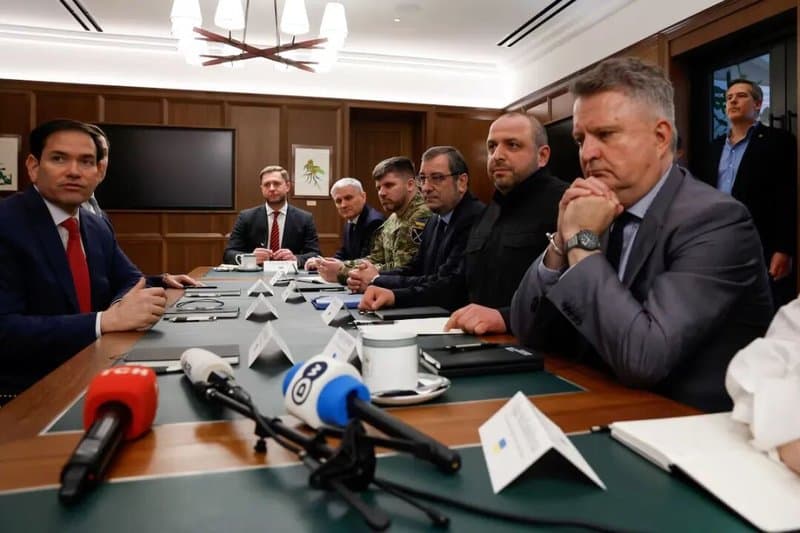
With regional tensions ongoing and the international community closely monitoring the conflict's progress, the U.S. and Ukrainian delegations initiated a new round of high-level talks in Berlin, Germany. This meeting is deemed one of the most vital diplomatic engagements in recent times, as many parties aim to advance political solutions and reduce long-term security risks.
Following the talks, the U.S. Special Envoy Wittecoff issued a statement emphasizing "significant progress" on several core issues. This announcement quickly captured international attention and is regarded as a crucial signal of U.S.-Ukraine coordination, propelling the next phase of negotiations.
Focus of the Agenda: Peace, Security, and Economic Arrangements
The negotiations reportedly covered multiple sensitive and interconnected topics, with territorial arrangements and long-term security guarantees remaining at the forefront of discussions. These issues not only impact Ukraine's national security framework but are also crucial for the stability of the overall European security order.
Simultaneously, economic discussions held significant weight as well. Both parties engaged in thorough exchanges regarding how to handle frozen Russian central bank assets within the EU, including their potential use for post-war reconstruction or security guarantees. This issue, entailing international law, financial stability, and political maneuvering, is seen as one of the most complex variables in future negotiations.
Participants: A Multilevel Force in Attendance
The composition of attendees highlighted substantial political and security significance. The U.S. delegation included not only the Special Envoy but also senior political figures closely linked to the White House and key military representatives within the NATO system, demonstrating the U.S.'s multi-faceted coordination across diplomatic, strategic, and military domains.
On the Ukrainian side, the President himself participated, accompanied by key officials from the national security and defense systems. This setup indicates that Ukraine views the talks not merely as technical consultations but as strategic dialogues involving core national interests.
Germany's Role: Providing a Platform, Not Leading
The meeting took place at the German Chancellery, highlighting Germany's role in providing a platform for European security affairs. The German side withdrew from the formal discussions following brief remarks, leaving the leadership to the U.S. and Ukraine. This has been interpreted as Germany intentionally maintaining the position of a coordinator rather than a negotiator, to avoid additional political friction on sensitive issues.
The German diplomatic and security policy advisory team handled logistics and coordination to ensure the smooth progression of the talks. This "low-key support" approach reflects the current preference of major European countries to facilitate conditions for negotiations rather than directly engage in substantive disputes.
Uncertainties Behind the Progress
Despite the optimistic tone from the U.S., analysts suggest that the "significant progress" primarily refers to reaching a consensus on frameworks and principles rather than devising immediately actionable plans. Territorial, security, and asset issues remain highly complex, and any substantial breakthrough will require extensive international cooperation.
Both sides have confirmed further discussions the following morning, indicating an acceleration of the negotiation pace. The ability to transform these principled advancements into specific agreements will be a critical marker for observing U.S.-Ukraine relations and the trajectory of the regional situation.
Overall, the Berlin talks have injected some momentum into the prolonged diplomatic stalemate, but a comprehensive resolution remains a significant distance away. The international community is closely watching for the next signals, assessing whether this round of engagement can truly alter the course of the situation.