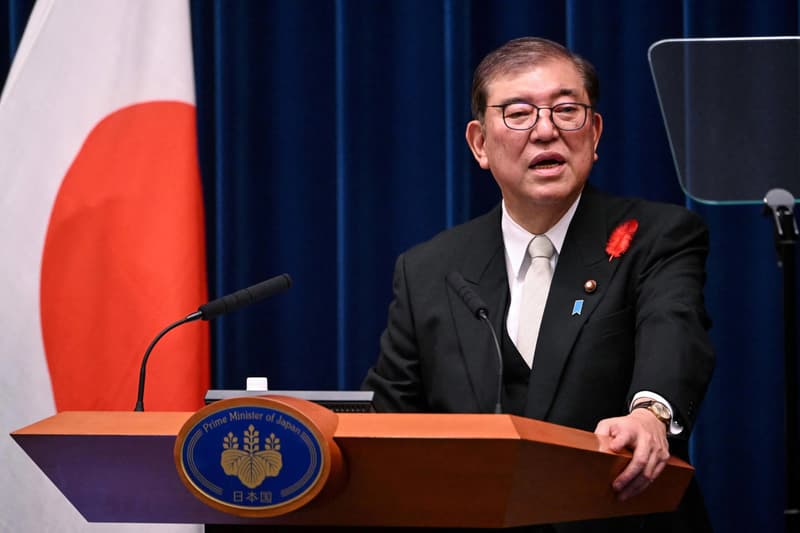
LDP Approaching High-Level Meeting, Internal Discontent Rises
Japan's ruling Liberal Democratic Party is planning to hold a high-level decision-making meeting soon to address increasing unrest within the party. Although Secretary-General Hiroshi Moriyama stressed that the agenda is yet to be finalized, there is widespread anticipation in political circles that Prime Minister Shigeru Ishiba's leadership will be the central topic of discussion.
This is the first sign of systemic pushback within the LDP since the Senate election results were announced on July 20. As some members openly demand the Prime Minister take responsibility for the election defeat and voluntarily step down, Shigeru Ishiba is facing unprecedented internal pressure.
Leadership Election May Be Brought Forward, Political Maneuvering Unfolds
Typically, the term for the LDP leader is three years, with the next election scheduled in two years. However, in the current situation, both conservative and centrist factions within the party are pushing for an earlier leadership election.
If the proposal receives majority support, Shigeru Ishiba will have to quickly decide: either choose to step down voluntarily to stabilize the situation or prepare to face potential challengers and engage in an internal power struggle. Analysts suggest that the leadership election might be put on the agenda this fall or even sooner, with the time window gradually narrowing.
Election Defeat Becomes a Catalyst, Governing Foundation Shaken
The crisis facing Shigeru Ishiba is not baseless. In this Senate election, the LDP lost in several key constituencies and failed to achieve its pre-election seat targets, sparking dissatisfaction among grassroots members and local factions with the current leadership.
According to party insiders, many members believe Ishiba has committed significant oversights in campaign strategy, policy communication, and ally integration, causing the party to lose its appeal among voters.
Potential Successors Emerge, Factional Power Reshuffles
Currently, several senior members with popularity and organizational skills are seen as potential successors. They include former Foreign Minister Fumio Kishida, current Policy Research Council Chairperson Taro Kono, and Finance Minister Taro Aso. These individuals not only have strong factional support within the party but also possess considerable public appeal.
The reshuffling of factional allegiances is also a crucial factor in the ongoing political maneuvering. If major factions shift to support a leadership change, it will severely weaken Shigeru Ishiba's political control.
Ishiba Camp Tries to Stabilize, Media Battle Heats Up
Despite external doubts about Shigeru Ishiba's future, his core team is attempting to stabilize the situation through enhancing publicity of achievements and calming local forces. It is reported that Ishiba himself will engage in several closed-door meetings soon, aiming to curb internal calls for a coup.
Additionally, the Ishiba camp has launched a "performance rebuttal" campaign, using the media to highlight his contributions in diplomacy, security, and pandemic control, trying to regain support from neutral party members.