Trump's Actions Trigger Chain Reactions
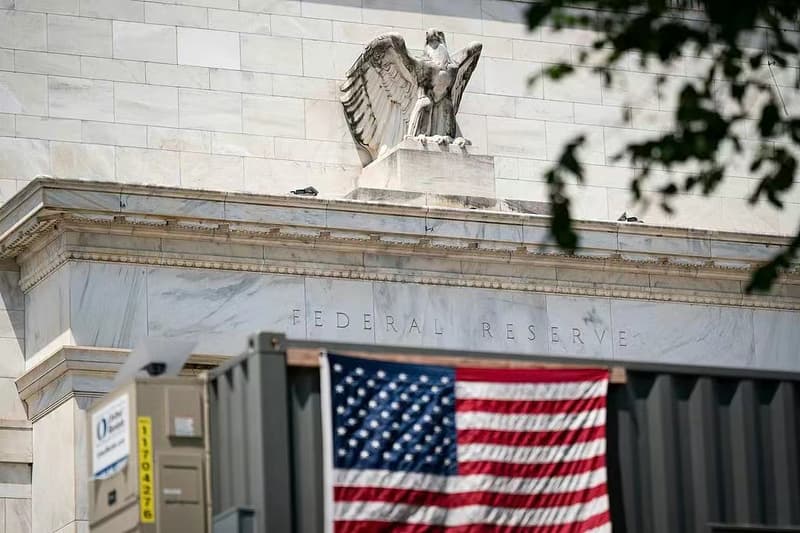
U.S. President Trump’s decision to dismiss a Federal Reserve governor has immediately garnered widespread attention in international financial markets. This move is not only seen as a direct challenge to the independence of the Federal Reserve but also raises doubts about whether U.S. monetary policy can still remain free from political interference. Some investors worry that this personnel upheaval might become a potential crack in the credibility of the dollar and U.S. Treasury securities.
Many market participants point out that the long-standing independence of the Federal Reserve has been a crucial cornerstone of global financial stability. If the risk of politicization intensifies, international investors might be forced to reassess their trust in U.S. assets. This sentiment has already begun to be reflected in price fluctuations of gold and alternative safe-haven assets like the euro.
U.S. Treasury Yield Curve Becomes New Focus
Market institutions are swiftly adjusting trading strategies. Some investment banks recommend paying close attention to changes in the U.S. Treasury yield curve, especially the trend of widening spreads between long-term and medium-to-short-term bonds. Analysts believe that if foreign investors fear U.S. monetary policy is under administrative interference, the appeal of long-term Treasury bonds will decline, thus steepening the yield curve.
This logic affects not only the bond market but also the stock and currency markets. Subtle shifts in capital flows might put pressure on U.S. stock valuations and simultaneously create a relative advantage for other major currencies.
Forex Market as a Sensitive Barometer
In the foreign exchange market, the movement of the dollar is becoming the focal point. Analysts note that investors are reassessing the credit premium of the dollar, with some funds beginning to move towards major currencies like the euro and the yen. The recent increase in buying orders for the euro against the dollar indicates the market's cautious stance on the medium to long-term prospects of the dollar.
For currencies like the pound and yen, increased U.S. political uncertainty might offer them temporary support. However, overall, the increase in forex market volatility requires investors to cautiously balance between liquidity and the need for safe-haven assets.
Gold and Safe-Haven Assets Benefit
Gold has emerged as one of the biggest beneficiaries in this situation. Investors generally believe that if the Federal Reserve's independence is undermined, it will weaken the dollar's status as the world's reserve currency, thereby enhancing gold's strategic value in asset allocation. At the same time, some emerging market currencies and commodity prices may also experience structural fluctuations due to changes in capital flows.
Institutional analysis points out that the accumulation of risk-averse sentiment not only drives up gold prices but also leads the market to begin repricing the risk premiums of global assets.
Conclusion
Trump's personnel decision has pushed the independence of the Federal Reserve into a new sphere of public and market scrutiny. The wavering trust in the dollar and U.S. Treasuries might be just the beginning of a broader financial repricing. At this critical juncture, having timely, in-depth analysis tools with a global perspective becomes an essential safeguard for investors to remain unbeaten.