
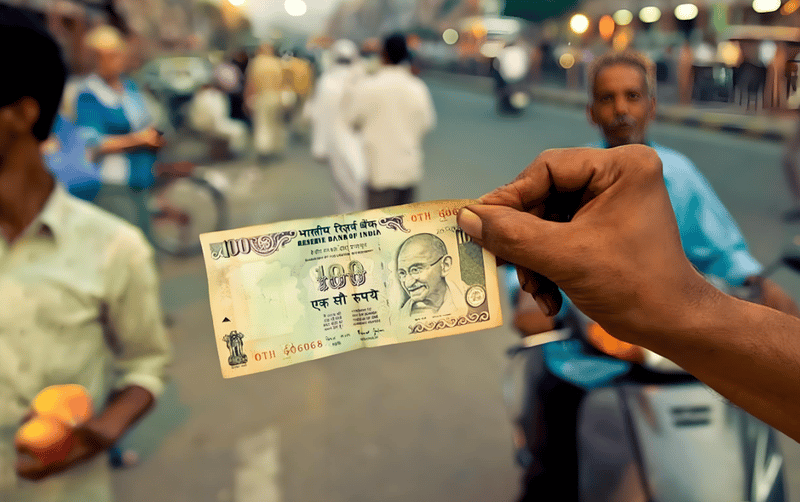
Executive Order takes effect, US-India trade friction escalates
This week, the executive order signed by US President Trump officially takes effect, raising the tariff on goods imported from India from the previous 25% to 50%. This decision directly targets India's close relationship with Russia in energy cooperation, especially its ongoing procurement of Russian crude oil. White House officials stated that this move aims to increase economic pressure to force Russia to the negotiating table, ultimately easing and resolving the Russia-Ukraine conflict.
However, this policy not only intensifies US-India trade friction but also adds new uncertainties to the global economic environment. Investors worry that this policy might trigger a chain reaction, leading to increased supply chain costs and further deterioration of bilateral relations.
India responds strongly, accuses of unfair treatment
The Indian government has strongly condemned the US action, stating that the so-called "secondary tariffs" completely violate the principles of free trade and lack legitimacy. The Indian Ministry of Foreign Affairs emphasized in a statement that the unilateral move by the US will damage bilateral relations and is not conducive to global cooperation.
At the same time, India is calling for diplomatic negotiations to seek a peaceful resolution to the Russia-Ukraine conflict, thus avoiding any geopolitical tensions affecting its economic interests. Analysts point out that as one of the world's largest emerging markets, India's reliance on crude oil is extremely high, and being forced to reduce purchases from Russia could significantly increase domestic energy prices, thereby exacerbating inflationary pressures.
Political considerations behind the tariff policy
It is widely believed that the tariff increase is not only an economic measure but also a clear political signal. Under the pressure of domestic elections, Trump hopes to demonstrate a "tough stance" abroad to gain voter support. At the same time, by pressuring India, the US also sends a warning to other countries to maintain distance in their policies towards Russia, otherwise, they may face similar economic sanctions.
However, experts point out that there is deep cooperation between the US and India in technology, defense, supply chains, and more. Excessive pressure could weaken strategic trust between the two nations and not be beneficial to US long-term interests in the Indo-Pacific region.
Global market chain reaction
After the news of the tariff increase, financial markets began to fluctuate. Shares of some manufacturing and export companies related to India came under pressure, and the price of crude oil in the international commodity market temporarily rose, as investors feared disruptions to the supply structure. Meanwhile, safe-haven sentiment grew, with some funds flowing into gold and dollar assets.
Global trade organizations and some economists have expressed concern over this move. They believe the escalation of the US-India tariff war will undermine global trade stability and affect investment confidence among multinational companies.
Prospects and challenges
The future course of the US-India tariff dispute depends on three factors: first, whether the Russia-Ukraine situation can be eased; second, whether India will adjust its energy import structure; third, whether the US is willing to find a balance between political pressure and economic costs.
At present, neither side appears willing to make concessions. The US emphasizes tariffs as a strategic tool, while India insists on its energy security and independent diplomatic stance. Against this backdrop, US-India relations will face new tests, and the global trade system may become increasingly fragile due to political maneuvering.









