Merger Boom Boosts JPMorgan's Profits
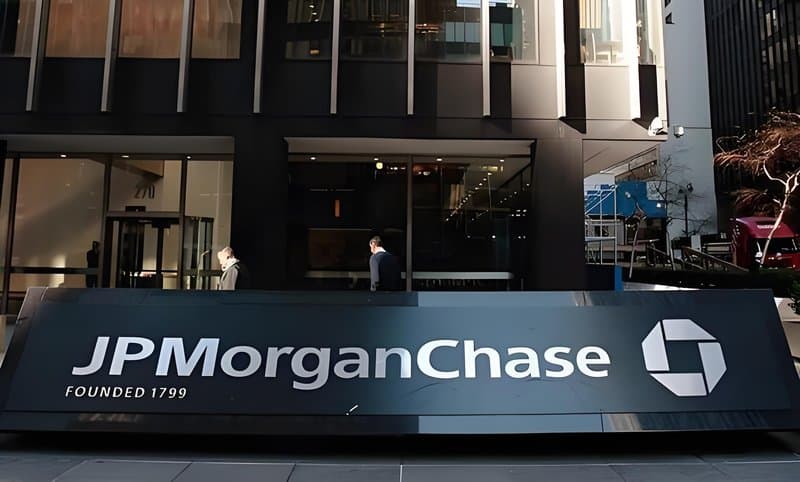
As Japan's corporate governance reforms continue to progress, they have fueled an unprecedented wave of mergers and asset divestitures, making JPMorgan one of the biggest winners. According to the latest fiscal year data, this American bank has seen its net profits double in the Japanese market, reflecting the strong expansion of its investment banking business, particularly in merger advisory and underwriting.
In the fiscal year ending March 31, 2025, JPMorgan's Japanese securities subsidiary recorded a net profit of 45.6 billion yen, reaching a new high since 2018. This achievement not only signifies a quick rebound from the previous fiscal year's decline but also places it at the top of foreign banks' profitability rankings in Japan, distinguishing itself among numerous international financial institutions.
Japan's Corporate Governance Reforms Spur Trading Boom
In recent years, the Japanese government has been actively promoting corporate governance restructuring, encouraging companies to streamline their asset portfolios and enhance capital efficiency. This trend has driven a large number of mergers and divestiture transactions, establishing a "new battleground" for global investment banks.
Against this backdrop, JPMorgan has leveraged its global mergers and acquisitions platform along with local resources to play a key role in several major deals. This not only enhances client loyalty but also positions it as a market leader in capital markets activities.
Meanwhile, competitors such as Citigroup and Deutsche Bank are also actively expanding their teams in Japan, igniting a fierce war for investment banking talent. JPMorgan has evidently gained an edge in this race, with its localization strategy considered a key to success.
Intensified Peer Competition and Divergent Profitability
Although the overall trading environment has improved, not all international banks have achieved similarly impressive results. For example, Morgan Stanley reported record revenues of 153.2 billion yen during the reporting period, but its net profit actually declined by 2.3% year-on-year, only reaching 31.9 billion yen due to debt provisions follo wing transaction volume growth.
In addition, BNP Paribas' securities subsidiary suffered from a decline in brokerage commission revenue, with net profit dropping by 2.9% year-on-year to 20.6 billion yen. This highlights that amid the merger boom, business structure and cost control are key variables influencing profit performance among institutions.
Investment Banking Competition Shifts to High-End Value Chain
Analysts point out that as Japanese companies continue their structural reorganization, demand for comprehensive investment banking services will further increase. JPMorgan's strong performance suggests that competition among foreign banks in the Japanese market has shifted from single services to higher-end integrated solutions along the value chain.
Moreover, the market has noted the rising appeal of Japan as a "safe haven" market amid uncertain global macroeconomic conditions and geopolitical risks. Foreign investment banks' increased investment at this time is also seen as a strategic foresight for future growth potential.
Merger-Driven New Profit Engines
JPMorgan's growth in Japan is interpreted within the industry as a successful case of astutely grasping market trends. As corporate governance reforms deepen and international investor interest increases, Japan will continue to unleash structural transaction demand.
Future leadership for JPMorgan will hinge on whether it can continue to offer high-value financial solutions while maintaining cost efficiency. More importantly, amidst an increasingly competitive landscape, the ability to consistently secure the trust and cooperation of local companies is the true key to achieving long-term victory.
For the entire industry, the current wave of mergers in the Japanese market may just be the beginning, with a deeper transformation in industrial finance quietly unfolding.