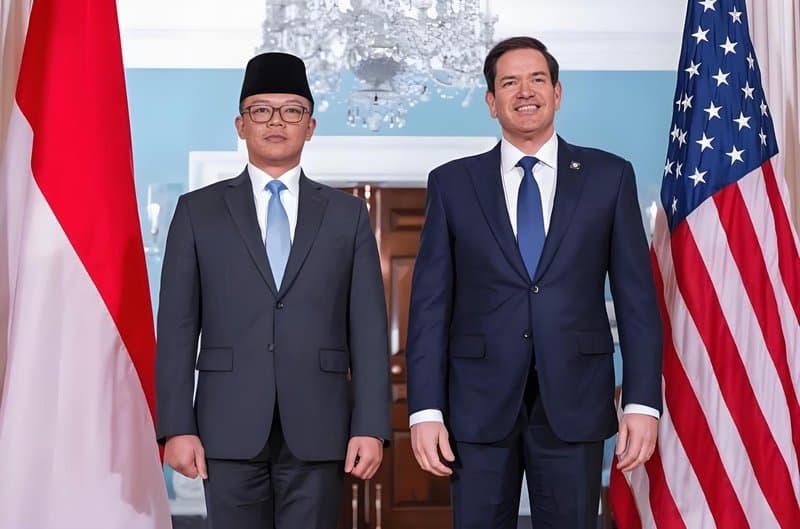
Signs of Tension Emerge in US-Indonesia Trade Relations, Agreement Implementation Stalls
A crucial trade agreement reached in July between the United States and Indonesia is now at risk of falling apart. To prevent the agreement from completely collapsing, the US Trade Representative's Office is launching urgent diplomatic efforts to bring Indonesia back to the negotiation table. The agreement was intended to ease trade tensions between the US and Indonesia, but during its execution, several deep-seated disagreements surfaced, hinting at setbacks in cooperation.
The agreement covers areas such as tariff concessions, market access, and the digital economy. The US promised Indonesia a reduction in impending high tariffs, while Indonesia was expected to make concessions in regulatory improvements and trade openness. However, just before the agreement was to be implemented, the countries faced major disagreements over who should fulfill commitments first.
US Accuses Indonesia of Failing to Honor Openness Commitments, Market Access Becomes Main Sticking Point
US officials report that Indonesia has not removed certain non-tariff barriers as required by the agreement, including agricultural inspection processes, industrial product standards, and digital trade restrictions. The US believes these obstacles make it difficult for American businesses to enter the Indonesian market, severely affecting their competitiveness.
Analysts within the US government point out that Indonesia maintains strong protective policies for related sectors, particularly setting high thresholds in the food and manufacturing industries, preventing American exporters from benefiting from tariff advantages.
Additionally, the US wishes to include a "regular monitoring and transparency mechanism" in the agreement to ensure proper rule enforcement in the future. However, Indonesia views such clauses as potentially infringing on its economic sovereignty, causing significant discontent.
A diplomatic source familiar with the talks commented, "Indonesia believes some of the terms proposed by the US transcend trade and carry political undertones." Different interpretations of the rules by both parties have led to a deadlock in the agreement.
Indonesia Emphasizes National Sovereignty, Accuses US of Excessive Pressure
The Indonesian government insists that the US is unilaterally emphasizing openness requirements while ignoring Indonesia's own economic development needs and regulatory autonomy. Indonesian officials feel that the regulatory transparency requirements proposed by the US could affect their flexibility in formulating industry policies.
Indonesia emphasizes that the US has not fully considered the characteristics of its economic structure and the necessity of protecting strategic industries. Indonesian scholars note that completely removing non-tariff barriers could expose local producers to intense competition and destabilize the market.
With both sides firmly holding their ground, progress on the core content of the agreement remains challenging.
US Trade Representative Makes Emergency Visit to Prevent Agreement from "Becoming Empty Words"
To prevent the agreement from collapsing, US Trade Representative Jamieson Greer visited Indonesia this week to meet with Coordinating Minister for Economic Affairs Airlangga Hartarto. The visit aims to persuade Indonesia to fulfill its opening commitments made in July while easing diplomatic tensions arising from sovereignty disputes.
Analysts believe Greer's visit is not only intended to salvage the agreement but also to prevent the relationship with one of Southeast Asia's biggest economies from falling into long-term strain. Indonesia's growing role in the Indo-Pacific economic strategy means a failed agreement could affect future regional cooperation.
Agreement's Outlook Uncertain, Relationship May Face More Complex Negotiations
As conflicts over regulation, tariffs, and sovereignty deepen, there's widespread belief that resolving these disputes completely in the short term is difficult for the US and Indonesia. If the agreement cannot be reactivated, it will create uncertainty in investment and supply chain planning for both countries and impact the US's economic presence in the Indo-Pacific region.
Industry insiders state that the future direction of the agreement will depend on both parties' willingness to make concessions on key terms and their ability to establish an enforcement mechanism acceptable to both sides.