Fed Cuts Rates Again Slightly, Policy Stance Sparks Debate
The Federal Reserve announced its latest interest rate decision this week, lowering the benchmark rate by 25 basis points to the 3.50%-3.75% range, marking the third consecutive rate cut this year. Although this adjustment met market expectations, the Fed emphasized that the move aims to provide a "cushion" for the economic outlook and maintain policy flexibility in an environment of rising uncertainty. However, this modest action quickly drew strong dissatisfaction from the White House, widening the policy rift between the government and the Fed.
Trump Publicly Criticizes Rate Cut as "Too Weak"
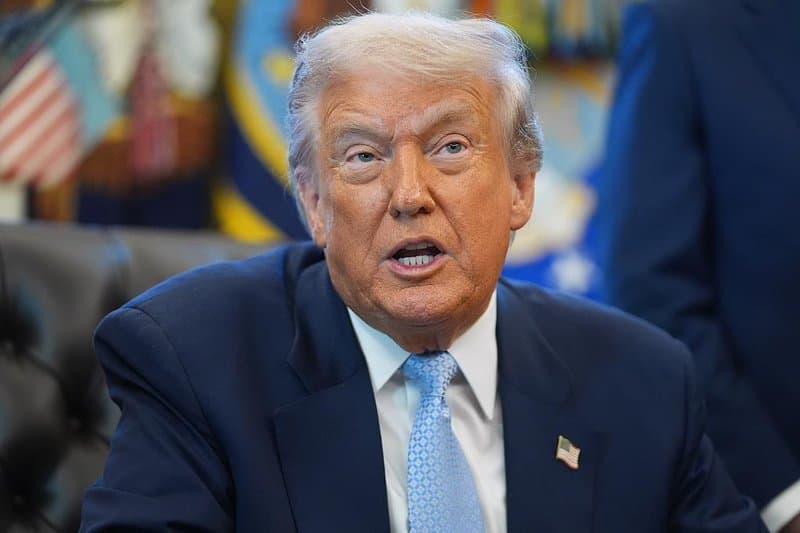
President Trump promptly commented after the decision was announced, stating that the 25 basis point rate cut is "far from enough," and stressed that to further solidify economic growth, the rate cut should be at least doubled. He also reiterated his distrust of current Chairman Powell, describing him as "too rigid" and unable to provide the policy support the economy needs at present. Trump's remarks underline his stance for aggressive monetary easing and reflect his intent to exert greater influence on the future interest rate path.
Powell Responds to Tariff Impact, Emphasizes Need to "Observe Economic Data"
Fed Chairman Powell, during a press conference, pointed out that the current rate cut should not be viewed as the start of a long-term easing path, stressing that future policy will continue to adjust based on economic data dynamics. He specifically mentioned that the recent inflation rebound is partly influenced by tariff shocks, suggesting that trade policy is driving up commodity prices. Powell emphasized that the Fed must balance economic growth with inflation risks, maintaining the independence of its decisions.
Fed Chairman Candidates Become Market Focus
With Powell's term set to end in 2026, the President's selection process for a successor is closely watched. Trump revealed plans to interview former Fed Governor Kevin Warsh, while White House National Economic Council Director Kevin Hassett is also seen as a front-runner. Both are considered more inclined toward looser rate policies, potentially guiding the Fed toward a deeper rate cut path in the future. Market participants worry that the Fed's independence may face increasing political pressure.
Policy Uncertainty Heightens Market Volatility
After the rate cut decision was announced, the US stock market saw narrow fluctuations. The financial sector was particularly sensitive, with large bank stocks under pressure, as concerns about the future economic growth outlook intensified. Analysts note that if the pace of future rate cuts becomes politicized, it may undermine market confidence in macroeconomic policy and increase asset price volatility.
Economic Outlook and Risk Balance Remain Central
Although this rate cut is seen as a move to support the economy, the uncertainty caused by policy differences has become a significant factor affecting the market. Whether the Fed will act according to economic data or adjust its strategy under political pressure will directly influence bond, stock, and currency markets. For businesses and investors, the transparency and stability of policy communication are becoming increasingly critical.