

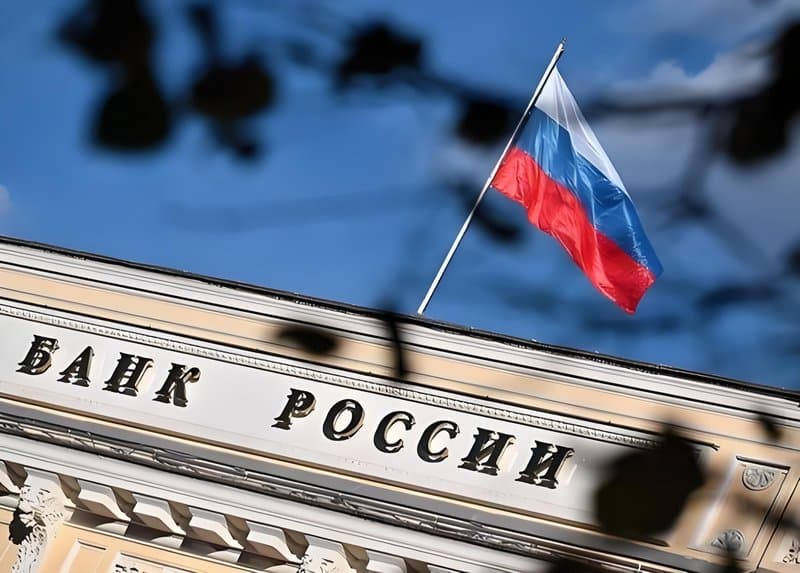
Russia Advances New Regulatory Measures, Tightening Control on Cash and Gold Outflows
The Russian government recently announced that it will implement stricter measures to curb chaotic capital outflows and illegal transactions, including limiting the export of cash rubles and gold bars from the country. These new measures are seen as a key part of the government's efforts to combat the shadow economy and aim to create a healthier environment for national fiscal and macroeconomic stability by strengthening financial regulation.
According to government officials, this policy tightening is a specific step in response to President Putin's directive for "economic purification," with the core goal of significantly reducing the size of the shadow economy and increasing the country's tax revenue capacity over the next three years.
Capital Flight and Illegal Transactions Drive Tightened Policies
In recent years, Russia has faced pressure from capital flight, and new loopholes created by wartime capital controls have further exacerbated this trend. Gold has increasingly become a substitute for foreign currency on the black market and is used in cross-border transactions and money laundering activities, raising regulatory risks.
Industry insiders point out that as the volatility of local currency increases, gold is favored by some groups for its portability and liquidity, becoming one of the main vehicles for illicit asset transfer. To prevent the financial system from being impacted, the finance department believes it is necessary to block such channels through restriction measures to avoid further weakening official regulatory capabilities.
The government's latest proposal stipulates that ordinary residents can still carry a small amount of gold abroad, but must comply with strict weight limits to reduce the possibility of large-scale gold bar outflows.
The Size of the Shadow Economy Draws Attention, Government Aims to Increase Tax Transparency
According to Russian statistics, the shadow economy has long occupied a relatively high proportion, not only affecting fiscal revenue but also weakening the growth potential of the formal economic sector. The government states that it hopes to gradually reduce the shadow economy's share of macroeconomics through a series of regulatory actions, thereby expanding the compliant tax base and enhancing the sustainability of public finances.
The objectives of this action include further reducing the shadow economy's proportion within three years and contributing additional tax revenue to the national budget. Analysts believe this plan reflects the government's hope to achieve true economic quality improvement through systemic improvement rather than short-term stimulus.
Measures Cover Multiple Economic Areas, Comprehensive Regulation Upgrade
In addition to restricting cash and gold outflows, the new policy also promotes synchronized governance in several high-risk areas. According to officials, the government will strengthen monitoring of import trade, invoice-free retail transactions, self-employed business practices, and cryptocurrency activities. Additionally, the informal lending market and violations in the alcohol and tobacco industries will be rectified.
The regulatory authorities emphasize that the goal of comprehensive measures is to fill systemic loopholes, reduce the space for tax evasion and money laundering, and improve the transparency of the business environment.
Economic observers note that if the reforms can be effectively implemented, it will help build a more stable domestic consumer and investment environment, boosting business confidence.
Putin Urges Law Enforcement to Strengthen Execution, Prevent "Underground" Economic Activities
During the policy advancement process, Putin has urged federal and local governments to strengthen law enforcement coordination to ensure strict implementation of the new regulations. He emphasized that after adjustments to the value-added tax and other taxes, it is crucial to prevent businesses or individuals from resorting to underground transactions to evade regulation.
Putin stated that maintaining economic order and tax stability is an important guarantee of national fiscal security, and a transparent business environment must be maintained to ensure the sustainability of the revenue system.
The Effectiveness of Regulatory Reforms Remains to Be Seen
This round of policy tightening in Russia marks a new stage in its fiscal and economic governance. Although the measures are significant, whether they can effectively address the deep-seated issues of the shadow economy remains to be seen. The future effectiveness of policy implementation, corporate adaptability, and changes in the global environment will all impact the ultimate outcome.








