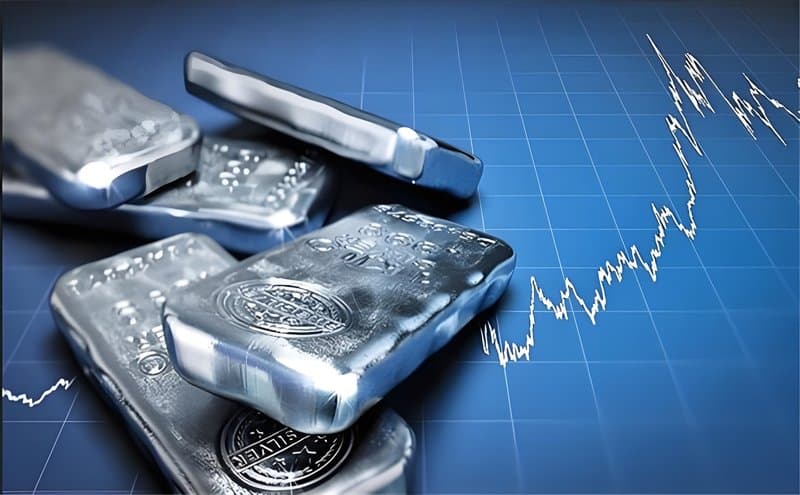
Silver Reaches Historic High, Precious Metal Sector Strengthens
On the eve of the Federal Reserve's interest rate decision, market risk appetite has changed significantly with precious metal prices rising in tandem, silver being the standout performer. Driven by optimistic expectations and a supply-demand imbalance, silver prices surged past the historic $60 per ounce mark, drawing global market attention. This milestone reflects not only the strong interest in precious metals but also the structural forces gathering in the market.
Both New York silver futures and spot silver rose more than 4%, standing above $60, with a nearly doubled gain for the year, making it one of the best-performing major assets.
Supply-Demand Tension Continues to Grow, Industrial Demand Seen as Core Driver
Silver prices have moved in line with gold in recent years, but its smaller market scale makes it more sensitive to macroeconomic variables. As demand from the new energy and tech manufacturing sectors continues to rise, silver's industrial attributes have become more prominent.
Several institutions point out that the new expansion cycles of emerging industries like photovoltaic components, electric vehicles, energy storage systems, and data centers will drive structural demand growth for silver in the coming years. The latest report from the Silver Institute predicts that global industrial silver consumption will continue to rise, potentially far exceeding current levels by 2030.
Meanwhile, slow growth in mining supply coupled with declining inventories has kept the silver market in a long-term tight stance. Until there is a fundamental improvement in supply-demand structure, silver is widely believed to have a basis for further upward movement.
Rate Cut Expectations and Weak Dollar Enhance Precious Metals' Appeal
The robust performance of precious metals is also closely related to changes in macro expectations. As the Federal Reserve approaches its policy meeting, the market bets on further easing, driving some funds into non-yielding assets. Despite job data still showing the resilience of the U.S. labor market, traders widely believe that the Fed may still opt for a rate cut in the short term to stabilize growth momentum.
Silvers typically respond more swiftly to changes in interest rate expectations due to its lower price and higher volatility. In this round of increases, silver's gains have significantly exceeded those of gold, reflecting funds' allocation to the precious metal sector amid concerns over inflation and demand for safe-haven assets.
Industry insiders note that if the dollar continues to weaken, both silver and gold will clearly benefit. Geopolitical tensions and fiscal deficit issues also provide additional support for precious metals.
Silver May Continue to Expand Its Upward Range
Institutional analysis suggests that the current momentum for silver's rise is a combination of cyclical and trend-driven forces. In the short term, changes in policy expectations and improved market sentiment will continue to drive price fluctuations, and in the medium term, it depends on whether supply tightness persists and industrial demand growth materializes.
Some traders expect that if the supply-demand gap cannot be relieved, silver prices may further surge to higher ranges. Gold prices may also strengthen under the influence of silver, maintaining a bullish pattern.
Overall, with the dual support of macro environment and industrial logic, the precious metals market is expected to remain highly active, with silver likely to become one of the most focused core assets in the next phase.