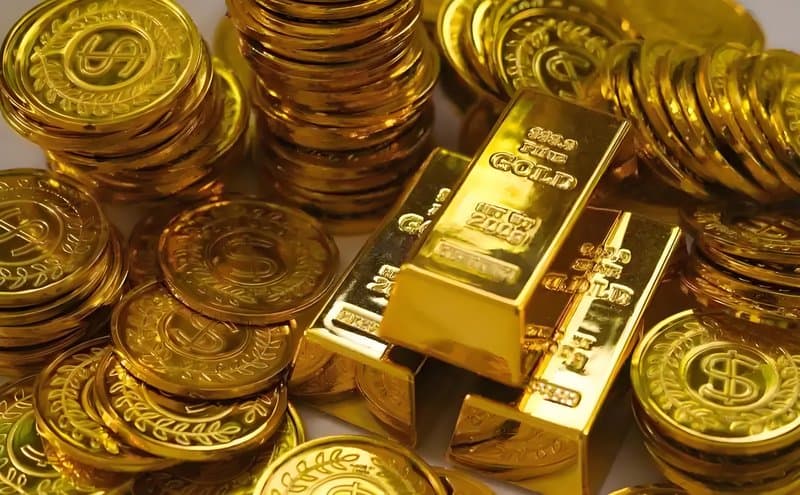
In the early hours of Wednesday (April 30) in the Asian market, gold prices are slightly fluctuating, currently trading around $3315.16 per ounce. On Tuesday, gold prices fell by 0.8%, closing at $3317.06 per ounce. The sudden softening of the Trump administration's tariff policy on the automobile industry has put pressure on safe-haven assets like gold, while the dollar has rebounded. The market now turns its attention to the forthcoming U.S. first-quarter GDP data and March PCE data. The market focus has shifted back to the Federal Reserve's policy direction and the economic fundamentals due to asset price fluctuations triggered by this policy shift.
Policy Changes Trigger Market Volatility
On Tuesday, Trump signed an executive order to alleviate the economic pressure of tariffs by providing tax credits to car manufacturers. This policy shift immediately prompted a market reaction: the dollar index rose by 0.3% to 99.22, and gold prices oscillated downwards, dipping below the $3320 per ounce level. U.S. Secretary of Commerce Wilbur Ross also revealed that secret trade agreements have been reached with other countries, further easing market anxiety. Analysts suggest that this policy shift aims to counteract the negative impact of tariffs on the economy, especially as the goods trade deficit in March hit a historic high of $162 billion, which is expected to drag down the first-quarter GDP by about 2 percentage points.
Economic Data Hints at Worries
While policy changes have somewhat alleviated market sentiment, some key economic indicators are sending more cautionary signals: the consumer confidence index in April fell to a five-year low, and job vacancies in March sharply decreased by 288,000. More concerning is that economists are revising down their forecasts for the U.S. first-quarter GDP, now expected to contract by 0.8%. These signals are amplifying concerns about the economic outlook, although gold is under short-term pressure, demand for safe havens in the medium to long term remains strong. Metals trading director David Meger pointed out, "Gold reached a historic high of $3500 last week, and the current pullback seems more like a technical correction."
Bulls and Bears Battle Ahead of the Fed Decision
With the upcoming release of PCE inflation data and the non-farm payroll report, the market has entered a critical period of contention. On one hand, the easing of the Trump administration's tariff policy reduces gold's appeal as a safe haven; on the other hand, signs of an economic slowdown have strengthened market expectations for a Fed rate cut. Foreign exchange strategists have noted, "The dollar's rebound is partly due to month-end portfolio rebalancing, but the real test lies in whether this week's economic data will confirm concerns of 'stagflation'." Currently, the futures market continues to bet that the Fed may cut rates 3 to 5 times within the year, and any gap between these policy expectations and actual economic data could lead to greater market volatility.
Summary
Amid the interplay of policy, economic data, and market expectations, gold is at a crucial crossroads. In the short term, a resurgence in risk appetite may continue to suppress gold prices; however, if this week's economic data confirm an increased risk of economic recession, the Fed may have to adjust its policies, providing new upward momentum for gold. Investors will closely watch the PCE and first-quarter GDP data to be released on Wednesday, as well as the non-farm payroll report on Friday, as these figures are likely to be key determinants of the future trajectory of gold prices.