

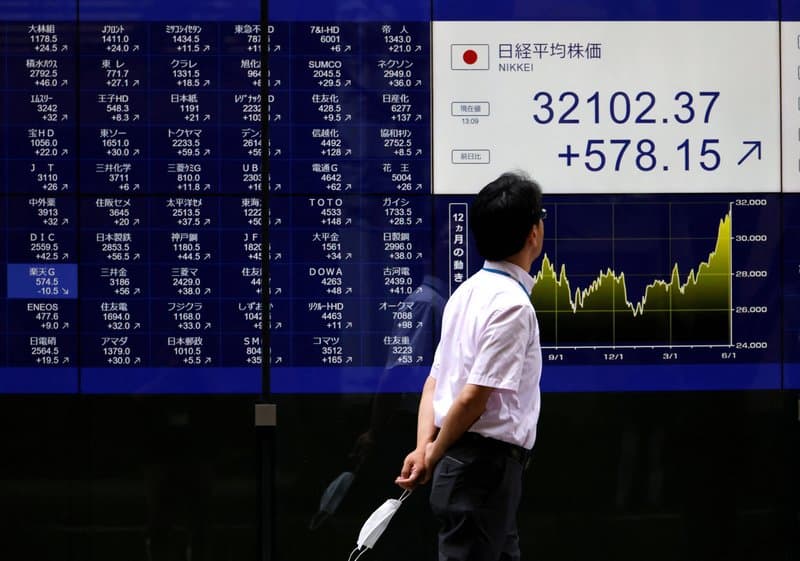
Technology and Metal Sectors Strengthen Together to Drive Market Rebound
The Tokyo stock market showed a significant upward trend during Thursday's trading, with the Nikkei 225 index rising again supported by multiple sectors. Technology companies benefited from revived investment sentiment related to artificial intelligence, while metal stocks also rose due to expectations of improved global manufacturing demand, pushing the index near recent highs. Market performance indicates that technology hardware, semiconductor testing, and companies related to the data center supply chain all shone bright.
Market commentators noted that recent investor concerns about the AI sector bubble have eased, coupled with improved earnings expectations for Japanese companies, leading to more funds flowing back into the technology sector. Overall, the momentum behind the market rise shows a trend of spreading from a single tech sector to multiple industries, helping to enhance market stability.
Strong Performance in Resource and Material Stocks Supported by Optimistic External Demand
Metal and materials companies also made a significant contribution to the day's gains. As global supply chain inventory clearance gradually completes and infrastructure investment warms up, expectations for metal demand have improved. The stock prices of some companies have surged to new highs, becoming an important driving force for the index's rise.
Industry analysis points out that the Japanese metal industry holds a key position in the supply chain of new energy vehicles, battery materials, and high-end components, with increased international demand supporting their stock prices. Additionally, some companies have expanded production capacity and adjusted product structures to cope with global competition, deepening investor confidence in their long-term prospects.
Mild Currency Fluctuations: Yen Stability Supports the Market
In the foreign exchange market, the US dollar against the yen fluctuated slightly around 156. Due to a lack of major data impacts, yen fluctuations remained limited, keeping profit expectations for Japanese export companies stable. The market believes that at the current exchange rate level, large Japanese exporters remain competitive, positively affecting the Nikkei index.
Investment bank analysts noted that if the yen remains within a weak range in the short term, Japanese manufacturing companies' price advantages in the global market will continue. However, if future policy environments change, yen movements may still become a key factor in observing market risk preferences.
Market Focuses on Government Policy Direction: Stimulus Measures as Key Observation Point
In addition to corporate performance, policy expectations at the political level have also supported the market. Investors are closely watching the Japanese government's upcoming economic stimulus plans, including tax adjustments, technology investment plans, and measures to improve consumer capability. The market widely expects that if related policies can be successfully implemented, they may further boost Japan's economic momentum.
Economists point out that Japan faces challenges such as population structural changes, price pressure fluctuations, and slowing structural growth, making the effectiveness of fiscal measures crucial in influencing the stock market's trajectory. Current investor expectations for government policies are optimistic, prompting a rise in stock market risk appetite.
Multiple Positive Factors Drive Continued Nikkei Uptrend
Overall, the tech recovery, improved metal demand, stable exchange rate, and policy expectations have all provided upward momentum for the Nikkei 225. As market risk appetite continues to increase, future trends will still depend on the performance of Japanese economic data, government stimulus implementation, and changes in global market sentiment. Investors generally believe that the index still has room to rise in the short term, but the potential impact of external risk factors should still be monitored.








