

EU Regulatory Trends Attract International Attention, X Platform Under Scrutiny Again
News of a possible major sanction by the EU against social platform X has once again sparked international debate. Although the EU has not officially announced the investigation results, it is widely believed to be examining the enforcement of content management and regulatory obligations. With the implementation of the Digital Services Act (DSA), tech platforms face more stringent compliance requirements, and any potential fines could have a profound impact on their operational strategies.
In the context of various global regulatory bodies strengthening the oversight of social media, the EU's actions are seen as an important test case of large tech platforms' compliance capabilities and highlight the complex challenges cross-border regulations pose to digital platforms.
Quick Response from U.S. Politics, Reinforcing Free Speech Stance
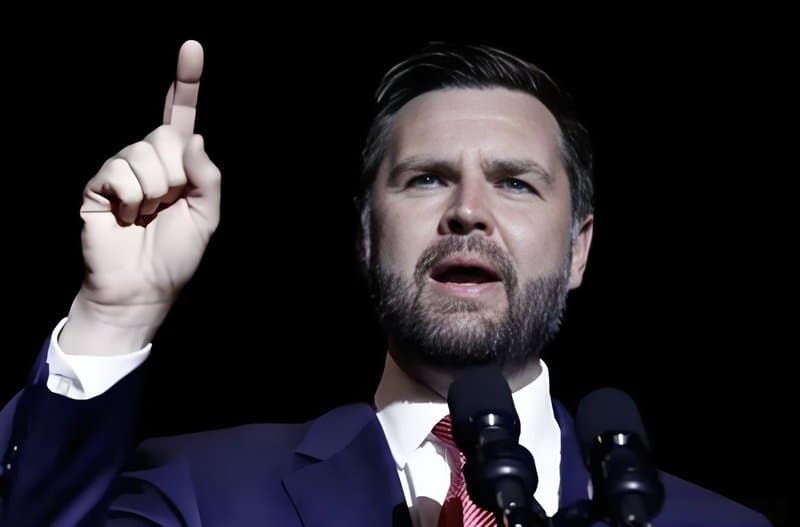
As soon as the EU's actions were rumored, there were strong reactions from U.S. political circles. Vice President Vance openly criticized the EU's actions as incompatible with the principles of an open and free internet, emphasizing that international platforms should not be subjected to unreasonable sanctions due to external political pressure. His statement not only represents ongoing debates within the U.S. about regulatory approaches to tech companies but also reflects the fundamental differences in stances on free speech and platform responsibility between the two regions.
Analysts have noted that some in the U.S. political arena have long viewed the European regulatory system as overly strict, potentially limiting the innovation capabilities of tech companies. Vance's remarks further emphasize this divide, adding a diplomatic aspect to the topic.
Musk Responds, Strengthening Platform Stance and Supporter Alliance
As the owner of the X platform, Musk expressed gratitude for Vance's public statement, further solidifying his firm stance on free speech issues in recent years. Since acquiring the platform, he has repeatedly emphasized opposition to excessive content censorship, believing that open discussion is crucial for a democratic society.
Musk's response adds a new level of public interest to the event and signals to both internal and external audiences that the X platform will adopt a more direct public communication strategy in the face of regulatory pressure, rather than the traditional cautious approach. Tech industry observers have noted that Musk's interactions with U.S. political circles may lend a more political dimension to the issue, further spreading the discussion of regulation and free speech.
Differences in Tech Regulation Concepts Widen, Potential for Renewed U.S.-EU Friction
For the EU, strengthening digital platform regulation is an important policy direction to protect public interest, prevent the spread of false information, and enhance internet safety. The EU insists that platforms must take clearer content management responsibilities to ensure users are not exposed to harmful information. This stance is markedly different from the U.S.'s approach, which tends to protect free speech.
As AI-generated content rapidly becomes widespread, increasing risks in information dissemination, this conceptual difference might further exacerbate U.S.-EU friction in the tech regulation arena. Research institutions believe future transatlantic relations may face more complex coordination challenges in data governance, content regulation, and compliance frameworks.
Tech Companies Face Dual Pressure, More Stringent Global Compliance Environment
Amid intensifying regulation and intertwining political factors, tech companies must seek balance between multiple jurisdictions. As a multinational social media platform, X's future compliance requirements, content review policies, and operational strategies may face stricter scrutiny.
For users, regulatory disputes concern not only the platform's future development but also affect content visibility and expression environments. Industry insiders believe that as regulatory frameworks continue to upgrade, interactions between tech platforms and governments will become more frequent, and the transparency and enforcement of the platform's policies will become key indicators in assessing its competitiveness.








