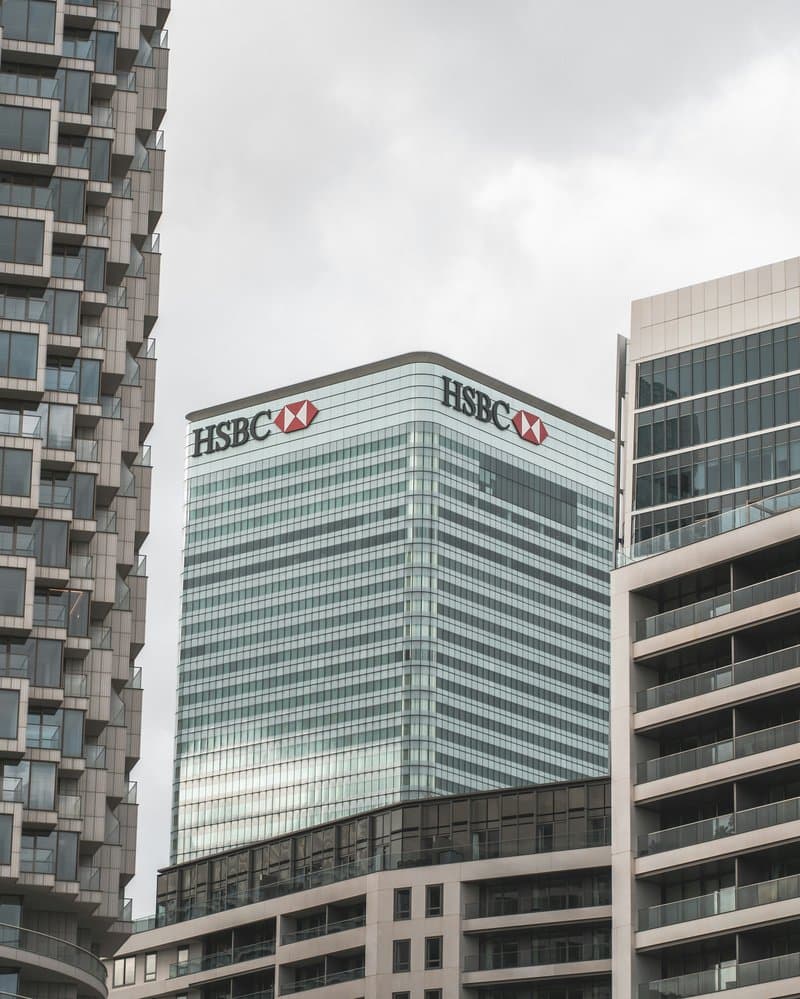
Privatization Plan Announced
HSBC Holdings recently announced that it has formally proposed a privatization arrangement to the board of Hang Seng Bank, planning to cancel all of Hang Seng Bank's issued shares for cash consideration. According to the plan, shareholders will receive HKD 155 in cash per share, with a total transaction value close to HKD 290.7 billion. This move marks a new stage in HSBC's long-term strategy in the Hong Kong market, aiming to further integrate resources through privatization to strengthen its dominance in local retail and commercial banking businesses.
Strategic Significance Highlighted
Hang Seng Bank has long held an important position in Hong Kong's financial system, with its extensive retail network and local customer base, being regarded as one of the main retail banks for Hong Kong residents. Through privatization, HSBC will not only gain full control over Hang Seng's decision-making but also leverage its local brand advantages to enhance market penetration. Analysts pointed out that this move will help HSBC to further consolidate its role as a regional headquarters in Asia Pacific and form closer ties with mainland China and the Greater Bay Area's financial development strategy.
Cash Offer and Investor Reaction
The privatization offer is positioned as the "final price," with HSBC clearly stating that it does not intend to modify or enhance the acquisition terms. This decisive statement reflects its strong willingness to push the deal. The market generally believes that this offer presents a certain premium over Hang Seng Bank's recent market trading price, which may appeal to some shareholders. However, some investors will still assess the independent brand value of Hang Seng in the Hong Kong market, weighing the pros and cons of accepting the offer.
Impact on Regional Banking Industry
If the transaction is ultimately completed, the landscape of Hong Kong's banking industry will become further consolidated. Hang Seng Bank has competitive advantages in retail finance, insurance, and wealth management. Once fully integrated into HSBC, it could enhance the group's share in the local retail banking loan and deposit market. Nonetheless, market competition will intensify, and other small and medium-sized banks may need to pursue mergers and strategic collaborations to maintain market share.
Regulatory and Procedural Challenges
According to Hong Kong's Companies Ordinance, such privatization requires court approval and majority shareholder consent in a general meeting. Industry insiders expect regulatory authorities to closely monitor the transaction's impact on market stability and consumer rights. Given Hang Seng Bank's significant role in Hong Kong society, the approval process may be complicated, especially regarding fairness in pricing and shareholder rights protection.
Long-Term Outlook
In recent years, HSBC has continuously strengthened its Asia Pacific business layout, with the privatization of Hang Seng Bank seen as a crucial step in deepening its roots in the Hong Kong market. Analysts indicate that as Hong Kong's role in RMB internationalization and cross-border financial cooperation rises, Hang Seng Bank's integration will aid HSBC in better seizing regional financial opportunities. In the future, the group may further enhance its competitiveness through the expansion of digital and wealth management businesses.
A Key Element of Regional Strategy
Overall, HSBC's proposal to privatize Hang Seng Bank is not only a capital operation arrangement but also an important reflection of its deepening layout in the Asia-Pacific financial center. If the transaction is successfully completed, it will enhance HSBC's market control while reshaping Hong Kong's banking competitive landscape and profoundly impacting the regional financial ecosystem.