

Market Sentiment Weakens, Australian Stocks Hit Four-Month Low
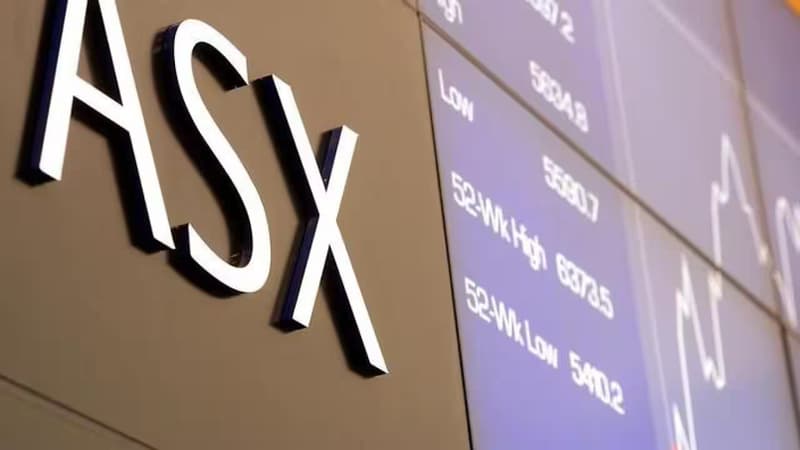
On Friday, the Australian stock market declined again, with investors significantly reducing holdings due to a lack of confidence in the domestic economic outlook. Weighed down by weakness in the mining and banking sectors, the S&P/ASX 200 index fell 1.5%, closing at 8,623.30 points, reaching its lowest level since mid-July. The index has fallen about 1.7% this week, potentially marking its third consecutive week of decline.
Market observers noted that recent trends reflect dual concerns among investors about Australia's economic growth and monetary policy. With persistent inflation pressures and a stabilizing employment market, expectations for the Reserve Bank of Australia (RBA) to cut rates this year have significantly cooled, leading to a noticeable retreat in risk appetite.
Employment and Inflation Data Weaken Easing Expectations
Data released by the Australian Bureau of Statistics on Thursday showed that the labor market remains robust, with employment growth exceeding market expectations. While this is seen as a positive sign of economic health, it simultaneously diminishes the likelihood of a rate cut.
Analysts believe the probability that the RBA will maintain interest rates at the current level for a longer duration has increased significantly. Previously, investors widely expected the central bank to initiate an easing cycle by the end of this year, but recent data suggests this expectation might be delayed until the first half of 2025.
Earlier this month, higher-than-expected inflation reports further reinforced this view. Data showed Australia's Consumer Price Index (CPI) rose more than expected in the third quarter, indicating persistent price pressures. This trend prompts the central bank to remain cautious with policy and has led the market to downgrade rate cut bets.
Mining Stocks Slump as Copper Prices Fall, Triggering a Chain Reaction
The mining sector was the biggest drag on Friday's market. Australian mining giants saw share prices fall across the board, affected by declines in international copper prices and weak metal demand outlooks. Shares of BHP Group and Rio Tinto both dropped about 2%, dragging down the entire sector by 2.7%.
Analysts stated that slowing global manufacturing activity and underwhelming Chinese industrial data have weakened market expectations for commodity demand, which is a key factor hampering mining stocks. At the same time, a stronger US dollar further suppresses metal prices, straining earnings forecasts for export-oriented companies.
A market strategist at Bell Direct investment firm said: "Volatility in commodity prices is becoming a significant source of risk for the Australian stock market, especially in a context of high inflation and weak global demand."
Bank Performance Falters, Intensifying Market Sell-Off
Apart from mining, the financial sector also performed poorly. The latest financial report from the Commonwealth Bank of Australia (CBA) indicated that although loan volumes continued to grow, net interest margins were squeezed by rising funding costs, pressuring profit margins. Following the report, major bank stocks all declined, further dragging the broader market down.
Some analysts pointed out that the high debt levels in the Australian property market and pressure from borrowing costs are eroding banks' earning capacity. If the RBA delays rate cuts, loan demand is likely to remain weak, further suppressing the financial sector's performance.
Investor Sentiment Cautious, Focus on RBA's Next Moves
Overall, the Australian market is in a precarious transition phase: the economy remains resilient, but growth momentum is waning; inflation is high, but policy room is limited. Investors are closely watching the RBA's monetary policy path over the coming months.
CMC Markets analysts said: "The market no longer expects the RBA to take rate-cutting actions in the short term and instead begins to worry that rates remaining high for too long will drag economic activity down."
Nevertheless, some institutions still see the short-term stock market downturn as an opportunity for mid-term investors to position themselves. AMP Capital's strategy report noted: "Adjustments in mining and financial stocks may have already accounted for most negative expectations, and if inflation shows signs of easing by year's end, the market could see a rebound opportunity."
With continued uncertainty in the global macro environment, the Australian stock market is entering a critical phase that will test confidence and patience.








