Political Turmoil in Japan, Yen Surges Against the Trend
Following the Japanese Senate elections, the ruling coalition lost its majority in the Senate, breaking the Liberal Democratic Party's continuous hold on power since 1955. Unexpectedly, investors reacted favorably in the forex market—the yen rose rather than fell, with the exchange rate against the dollar quickly breaking past the 148 mark. It seems the market had already priced in the political uncertainty, and the realization of risks became a catalyst for the "buy the rumor, sell the news" phenomenon.
Why Does a 3-Seat Gap Seem Positive to the Market?
Despite the Liberal Democratic Party and Komeito not securing a majority, the actual election results slightly exceeded the market's consensus expectations, prompting some speculative short-sellers to stop losses and return their positions, increasing the yen's appreciation. More importantly, the current yen valuation already fully reflects worries about political turbulence, so even marginal improvements encourage capital inflow again.
Ishiba's Retention Becomes Focus, Sparks Speculation on Policy Direction
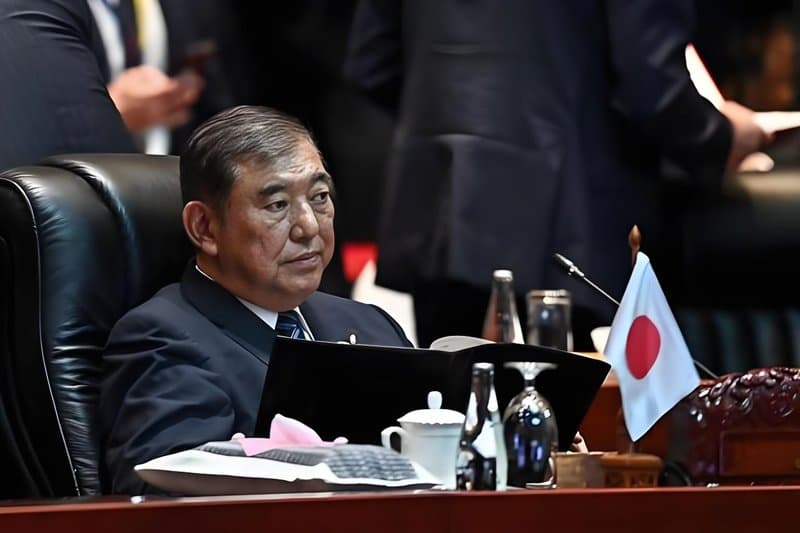
Prime Minister Ishiba has publicly stated he intends to stay, but rising party pressure and opposition voices cast doubt on his ability to remain in power sustainably. If he remains, Japan's policy path may maintain its current pace in the short term, with fiscal policy remaining restrained and monetary policy on hold. However, if forced to resign, a successor leaning more towards fiscal and monetary easing could introduce new market shocks.
Three Major Policy Directions Will Determine Yen's Mid-term Trend
Uncertainty in Trade Negotiations
With a new round of U.S.-Japan tariff talks approaching, if Ishiba stays, negotiations might continue, but his weakened position could reduce Japan's leverage, leading to more economic concessions. This will directly affect export-oriented companies' profit expectations and indirectly impact the stock market and exchange rates.
Adjustment in Fiscal Expansion Expectations
Compared to the opposition's advocacy for tax cuts and large-scale spending, Ishiba's government leans towards maintaining fiscal discipline, avoiding further exacerbating government debt burdens. If fiscal policy is tight, it could help stabilize long-term government bond yields and provide some support for the yen.
Complex Prospects of a Rate Hike by the BOJ
Although Japan's current inflation is high, the market anticipates a 16 basis point rate hike by the BOJ by year-end, but political instability might prompt a more conservative approach in monetary policy. If the next Prime Minister returns to “Abenomics,” reinitiating easing could become a new trigger for yen depreciation.
Risks Persist, Limited Short-term Flexibility for the Yen
Despite the yen's impressive strength this time, the long-term trend remains unclear. The BOJ faces a dilemma between inflation pressures and fiscal burdens; further political turmoil or sudden leadership changes could again disrupt the forex market. Investors need to be wary of "black swan" events causing severe fluctuations.