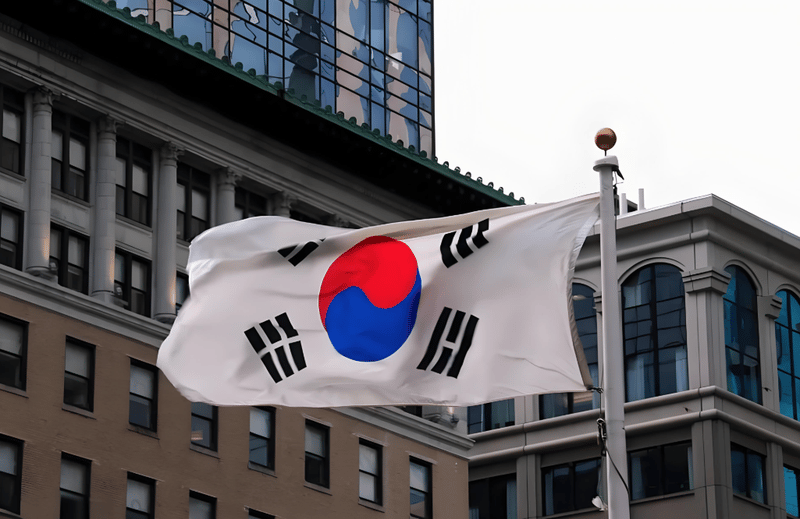
On the Eve of High-Level Korea-U.S. Meetings: Seoul Prepares a "Combination Strategy"
With just days left until the U.S. deadline for tariffs, the South Korean government is seeking a diplomatic breather through multiple channels. The "2+2" talks scheduled for July 25 in Washington are seen by Seoul as a strategic opportunity. South Korean finance and trade officials will meet with the U.S. Treasury Secretary and Trade Representative to try to avoid a 25% comprehensive tariff starting in August.
To enhance its bargaining position, South Korea is considering several potential cooperation schemes, including participation in the Alaska natural gas project and improving market access for tech companies, aiming to ease trade tensions through comprehensive collaboration.
Political Concessions as the "Key Bargaining Chip"
Although South Korea has not yet specified particular plans, concessions in agriculture have become one of the sensitive and core topics in the negotiations. The issue of beef imports has historically triggered large-scale protests, and any concessions on rice, among others, may once again provoke social backlash.
Korean officials admit that a "strategic judgment" is necessary between protecting core interests and reaching compromises. In other words, some concessions might be used to secure the safety of key industrial sectors, such as semiconductors, automobiles, and batteries.
High Export Dependency, Industrial Pillars Need Protection
Statistics show that Korea's export dependency exceeds 40%, with exports to the U.S. holding significant weight. In a global supply chain highly reliant on Korean components, any trade barriers could cause a domino effect.
This is especially true for Korean automobile manufacturers, which have a substantial share in exports to the U.S. Although Hyundai Motor has pledged to invest in U.S. facilities, its core production remains concentrated domestically, leaving it vulnerable to new tariffs. Thus, ensuring the auto sector is exempt from heavy tariffs is a priority in the negotiations.
Defense Issues Back in Focus, Minor Concessions Could Resolve Key Points
The sharing of defense costs is also a sensitive area. The Trump administration has long called for allies to increase their defense spending, and South Korea is still adhering to a previously agreed five-year deal. However, some South Korean negotiators have signaled "flexibility" in this matter.
Although the Seoul government does not wish to publicly adjust the agreement's contents, internally, there are views that slightly increasing defense expenditures could alleviate some pressure, providing more room in trade negotiations.
Reshaping Korea-U.S. Relations Brings Risks and Opportunities
These negotiations are not only about trade; they could also have a profound impact on the overall Korea-U.S. relationship trajectory. If Korea makes too many concessions on core issues, it could face domestic political resistance; but refusing to compromise could lead to comprehensive tariffs and export obstacles.
Thus, South Korea's current "combination diplomacy" aims to find a new balance between protecting national core interests and maintaining an alliance relationship. Regardless of the outcome, the coming days will be pivotal in shaping the country's external strategy.