Global Economic Growth Stabilizes: Intersection of AI and Geopolitical Pressures
HSBC has recently released its "2026 Global Economic Outlook" report, providing an in-depth analysis of growth trajectories for the next two years. The report suggests that global economic growth is projected to reach 2.8% in 2025, potentially slowing slightly to 2.7% in 2026, reflecting an overall stable growth trend. Fan Liming, Chief Asia Economist at HSBC Global Research, notes that while geopolitical fragmentation and slowing labor growth pose structural challenges to global productivity, the explosive deployment of artificial intelligence (AI) infrastructure is emerging as a new growth engine.
Fan Liming believes that sustained robust investment in the AI sector will effectively offset some of the adverse effects of trade fragmentation. This technology-driven capital expenditure not only provides foundational support for global investment and trade growth but also alters the growth logic of major economies. Additionally, although tariff uncertainties may see global goods export growth decline from 3.8% in 2025 to 2.0% in 2026, the overall resilience of the economy has surpassed previously more pessimistic market expectations.
Federal Reserve Policy Undergoing Transition: Inflation Stickiness Limits Room for Rate Cuts
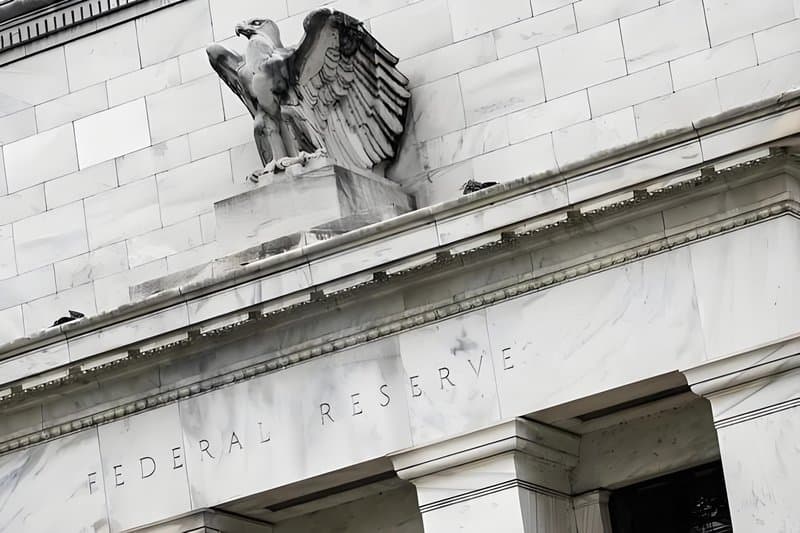
Regarding monetary policy, which is of utmost concern to the market, HSBC has offered a prediction that surprised many investors: the Federal Reserve may not consider further rate cuts in 2026. The report analyzes that even though the Fed may have implemented some easing policies by 2025, by 2026, core inflation levels in the U.S. may exhibit significant "stickiness" due to supply-side shocks caused by tariffs, reduced immigration inflows, and resilient service demand, making it challenging for inflation to quickly return to the 2% target level.
HSBC further notes that the U.S. economy will exhibit stronger-than-expected resilience in the first half of 2026. This is mainly attributed to the continuous boost from AI-related capital expenditure and the compensatory effects of wages being repaid following the end of government shutdowns. Additionally, with the phased implementation of tax cuts and rebates, consumer expenditure remains supported. As a result, HSBC believes that the Fed will prefer to "watch and wait," with the target range for the federal funds rate expected to remain at current levels, as there are no macroeconomic conditions for further rate cuts in the short term.
Asia Economic Outlook: Fiscal Expansion and Domestic Demand as Core Drivers
HSBC holds a relatively optimistic stance regarding Asia. Although it is expected that Asian export growth will slow after experiencing strong growth in 2025, the region's overall performance will still outpace the global average. The report emphasizes that as inflation pressures ease further in some emerging economies, these countries will still have some room for monetary easing in 2026, supporting sustainable expansion of local economies.
In the Chinese market, HSBC anticipates more aggressive fiscal policies in 2026, focusing on structural reforms and boosting domestic demand to counteract the pressure from changes in the external trade environment. By expanding domestic demand and enhancing industrial upgrades, China and related Asian economies are expected to continue playing the role of stabilizers for global economic growth amidst a backdrop of global slowdown.