Key Compliance Dates Delayed to 2028
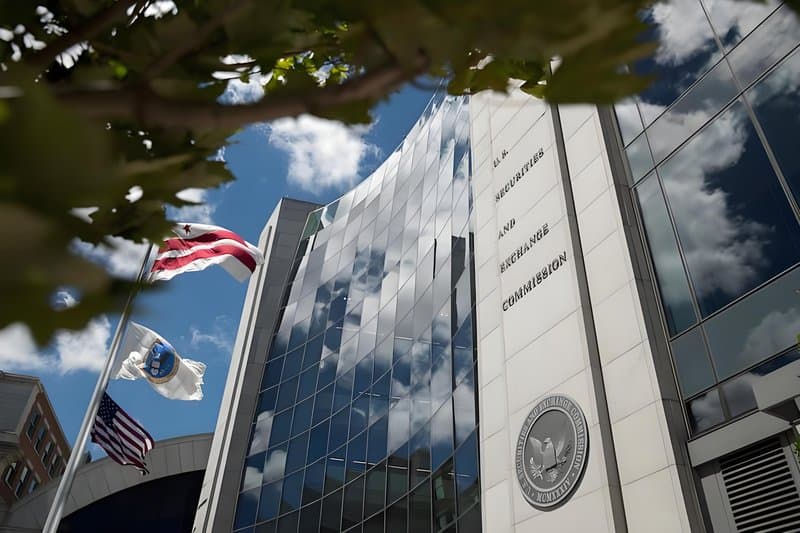
The United States Securities and Exchange Commission (SEC) released new guidance on Wednesday, announcing the comprehensive delay in the implementation deadlines for short-selling disclosures and related stock lending reports. This marks the second time this year that the SEC has postponed the effective date of these regulations.
According to the latest official arrangement, investment management institutions must officially comply with short-selling disclosure requirements starting on January 2, 2028, while the reporting obligations for stock lending activities will be enforced from September 28, 2028.
The SEC stated that the delayed implementation is intended to ensure that the regulatory system does not cause uncontrollable disruptions in practice, highlighting that this move is in the public interest as it helps protect investors and maintain market stability.
Regulatory Demands Intensify After Meme Stock Frenzy
The short-selling system has long existed in the U.S. capital market but has been subject to stricter scrutiny since the 2008 financial crisis. The retail traders' battle with meme stocks like GameStop in 2021 further propelled the SEC to explore establishing a more transparent short-selling regulatory mechanism.
In October 2023, the SEC announced new regulations requiring large investment managers to report the scale of short-selling monthly and mandating pension funds, banks, and large institutions to disclose transaction information the day after lending stocks. These regulations aim to increase market transparency and reduce systemic risk.
Several Industry Associations Sue Over Economic Impact of Regulations
However, following the announcement of the new regulations, many industry associations quickly took legal action. These organizations argued that the SEC did not adequately assess compliance costs, market impact, and the potential information asymmetry risks caused by data disclosure.
In August 2024, a panel of three judges from the Fifth Circuit Court of Appeals in the U.S. ruled that the SEC's assessment process was inadequate and required it to reassess the economic impact analysis. This decision has further complicated the implementation prospects of the new regulations, forcing the SEC to revise its original plans.
Implementation Costs, Technical Systems, and Data Management Present Challenges
Market participants point out that real-time or near-real-time disclosure of short-selling and stock lending will significantly increase compliance costs for institutions, including system building, data monitoring, and additional personnel input. Some institutions worry that frequent disclosure might expose market strategies and even impact trading security.
The SEC's latest decision is seen as a compromise between regulatory goals and the market's actual bearing capacity. Delaying implementation provides financial institutions more time to prepare technologically and systemically, while also allowing regulatory bodies to further adjust the regulatory framework.
Regulatory Reform Direction Clear, but Pace Cautious
Despite the significant postponement in the execution timeline, the SEC has not abandoned its objective to enhance market transparency. Analysts believe that over the coming years, as regulatory bodies reassess the impact of data disclosure and update cost analyses, the related rules will still be finalized before 2028.
Market observers note that as quantitative trading, hedge fund size, and complexity continue to rise, regulatory bodies will inevitably seek more comprehensive monitoring systems, but they must avoid market disruption due to excessive disclosure.
Regulatory Reform Ongoing, Market Needs to Prepare for Compliance
The SEC's further delay of short-selling disclosure regulations reflects the deepening of regulatory reform. In the coming years, the interplay between regulatory bodies, industry organizations, and judicial departments will continually affect the implementation pace of new regulations. For market participants, establishing compliance mechanisms and data systems in advance will be key to welcoming the new regulatory era in 2028.