Dollar Fluctuates Near Key Moving Average as Market Sentiment Turns Cautious
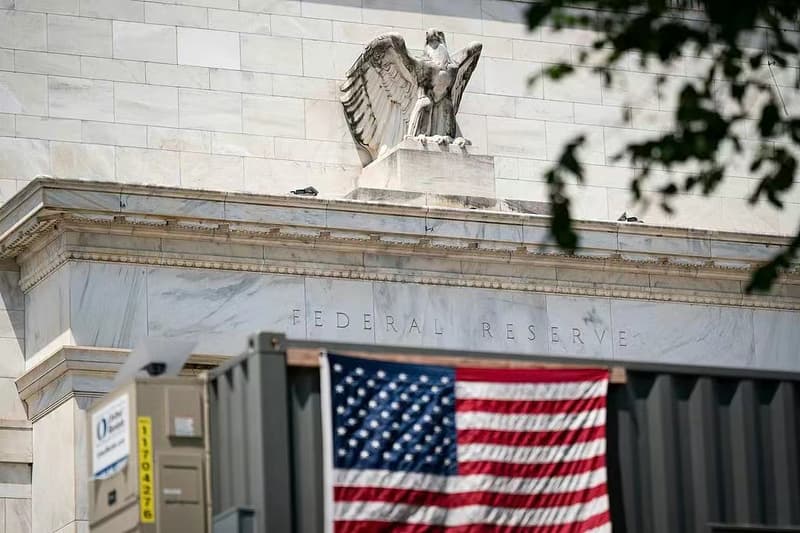
As the Federal Reserve is set to announce its key rate decision this week, the dollar index showed a mild rebound at the start of the week. Traders are striving to stabilize the dollar within the crucial range near the 50-day moving average, hoping to build a more solid technical foundation for short-term movements before the policy is announced. Although the probability of a rate cut has been fully absorbed by the market, the overall long positions in the dollar remain, limiting its short-term downside potential.
Analysts point out that the dollar is currently in a sensitive phase, intertwined with both technical and fundamental factors. As long as it doesn't break below the critical technical area, the short-term resilience of the dollar will remain.
U.S. Bond Yields and Policy Signals Become Key Variables for Dollar Directionality
The market generally expects the Federal Reserve to enact a slight rate cut, but there are still significant differences in the judgment of the subsequent policy path. If the Federal Reserve conveys more cautious or even hawkish communication, the market may swiftly adjust its expectations for next year's easing pace, giving the dollar additional buying support.
Meanwhile, fluctuations in U.S. Treasury yields remain a core factor influencing the dollar's strength. The 200-day moving average forms a major technical resistance above the dollar, and marginal changes in yields will directly affect the dollar's performance in that range. Market participants widely believe that the wording in the Federal Reserve's statement will determine the slope of the yield curve, thereby guiding the dollar's intraday fluctuations.
Positioning Structure is Firm, Medium-Term Support for Dollar Endures
Although the dollar has undergone adjustments for several consecutive weeks, speculative funds are still maintaining the highest long positions since the last trade conflict. This positioning structure indicates that changes in Federal Reserve policy and global economic expectations have not significantly shaken the fundamental demand for dollars.
Further factors supporting the dollar include the resilient performance of the U.S. economy, inflation well above the target range, and potential growth momentum from continued expansionary fiscal policy. The market generally believes that as long as there is no fundamental change in the growth environment, the Federal Reserve will maintain a cautious pace of easing, allowing the dollar's interest rate differential advantage to continue dominating in the global currency system.
Major Foreign Currencies Show Divergence, Global Forex Market Adjusts Around Interest Rate Expectations
While the dollar fluctuates, other major currencies are being repriced based on their domestic yield changes and central bank policy expectations.
The euro briefly strengthened against the dollar after a rise in eurozone long-term yields but then retreated, indicating that there is still uncertainty about the European Central Bank's future policy direction. Some investors worry that if the ECB continues its tightening stance, it may pressure economic activity and weaken the euro's future rebound potential.
The Canadian dollar saw a brief increase following strong employment data, but the market quickly digested this positive, reflecting that traders have largely anticipated the Bank of Canada holding its ground. Meanwhile, the yen faces continued pressure due to the widening yield differential, pushing the dollar-yen pair higher.
The pound and the Swiss franc have remained relatively stable overall, without significant trend breakthroughs, yet their cross-currency fluctuations still indirectly support the dollar.
Market Awaits Fed to Set Future Rate Path
Overall, the short-term direction of the dollar still depends on the policy signals conveyed at this Federal Reserve meeting. If a rate cut is implemented as expected and the wording is not dovish, the dollar may remain resilient or even rebound; if the Federal Reserve strengthens the guidance for future easing, the dollar may face further pressure.
Global assets and forex markets are all waiting for the Federal Reserve's next stage policy path, which will become the most crucial driving factor for trading this week.