

Continued Intense Fighting as Multiple Areas Hit Again, Heightened Security Tension
On December 1st, central Ukraine was heavily hit by missiles again, causing civilian casualties. Despite frequent discussions on peace initiatives recently, this wave of attacks highlights that the intensity on the battlefield has not significantly eased. Damage to infrastructure has further constrained local livelihoods and increased the urgency for diplomatic negotiations.
Amid the mounting pressure on the frontlines, Ukraine also faces new political noise due to high-level corruption investigations, posing additional challenges for governance and cooperation in operations, affecting judgments on internal stability by external observers.
Europe and the U.S. Push Multi-Track Diplomatic Efforts, But Core Differences Remain Sharp
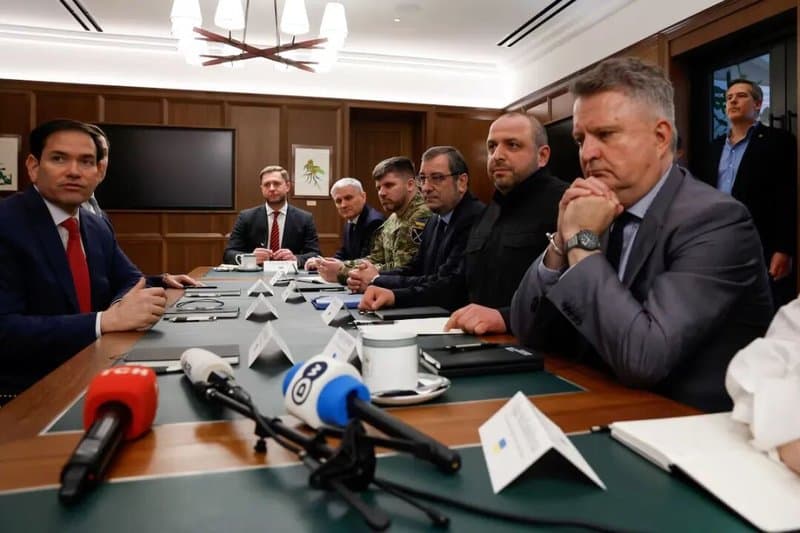
During a visit to Paris, Ukrainian President Zelensky received public support from several European leaders. All parties emphasized that any potential ceasefire arrangement must be based on Ukraine's will and ensure that subsequent security frameworks do not leave gaps.
Meanwhile, U.S. envoys are pushing for a new round of engagement, attempting to adjust the previously criticized peace draft to better align with the strategic interests of Ukraine and European allies. Relevant negotiations have entered a new phase, with American representatives departing for Moscow for high-level talks after a meeting in Kyiv.
Diplomats pointed out that the core issues of these negotiations focus on territorial arrangements, military restrictions, and the future possibility of joining NATO. If these issues cannot be resolved, reaching an agreement in the short term remains difficult.
Russia Increases Countermeasures, Multiple Controversies Simultaneously Brewing
Faced with diplomatic pressure from Europe and the U.S., Russia has recently responded strongly on multiple fronts. Besides continuing military actions towards Ukraine, Russia has severely criticized the Caspian oil system attack and NATO officials' tough statements, emphasizing the risk of escalation in Western military discussions.
Russian diplomatic sources stated that discussions about "preventive strikes" are highly dangerous in the current tense situation and may lead to a more uncontrolled regional situation.
Israeli Politics Reignite: Prime Minister's Pardon Request Ignites Political Focus
Netanyahu Seeks Immunity from Trial, U.S. Statement Triggers Strong Reactions
In the Middle East, the long-delayed corruption case has once again tightened Israel's political scene. Prime Minister Netanyahu has submitted a pardon request to the President, receiving clear support from U.S. President Trump, rapidly raising the political sensitivity of the case.
Nonetheless, reactions in Israel are strong, with opposition parties arguing that pardon should not be a tool to maintain power and must include clear political exit conditions. Some former government members have publicly stated that the country needs to quickly escape long-term instability, and if the Prime Minister is willing to step down, they will support pardon to conclude legal proceedings.
Ruling Coalition Faces Challenges as Legal Disputes Impact Future Electoral Landscape
Investigations show the coalition led by Netanyahu faces severe challenges ahead of the next election, with public discontent arising from his legal disputes. Political analysts point out that this case not only affects individual prospects but also concerns the boundaries of Israel's democratic system operation.
The President's office emphasized that the pardon request will be evaluated based on the country's overall interest and will not be influenced by external pressure. As the controversy continues to brew, the uncertainty in Israel's political ecosystem further increases.
Regions Turmoil Again, Global Political Landscape Grows More Complex
From the raging Ukraine conflict and fast-paced diplomacy to the sudden upheaval in Israeli politics, the situation in multiple countries is evolving rapidly. As decision-making windows approach, the coming weeks are expected to be crucial in determining the direction of regional stability and international relations.








