
Divergence in Opinions Within the Federal Reserve Highlighted
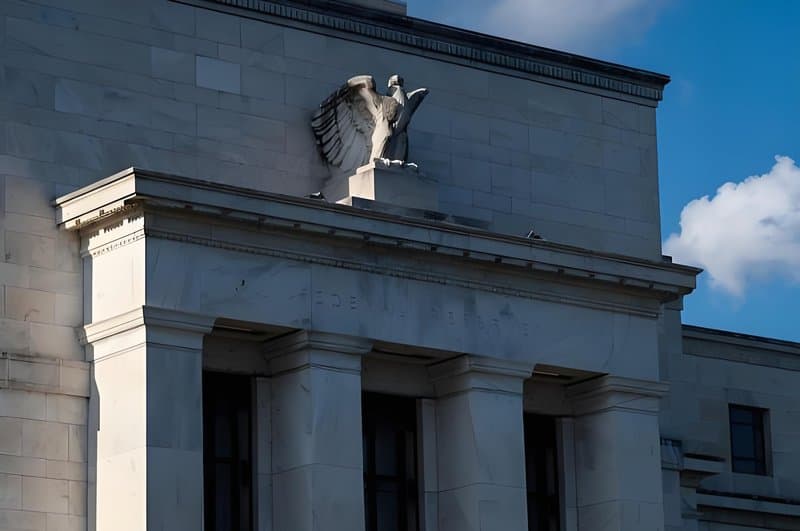
The Federal Reserve is once again experiencing clear internal differences regarding the pace of future interest rate cuts. Two committee members with FOMC voting rights this year have shown a cautious attitude, worrying that excessive rate cuts might delay the decline of inflation. In contrast, Vice Chair Bowman and new board member Milan advocate for rapid and significant rate cuts. This division reflects the challenging decision-making process faced by the Federal Reserve in balancing inflation and employment in a complex economic environment.
Cautious Camp: Concerns Over Risks of Excessive Easing
Kansas City Fed President Schmid emphasizes that the current policy stance is "mildly restrictive" but appropriately positioned. He believes that inflation remains high, and although the labor market has cooled slightly, it remains generally stable. In his speech, he highlighted that the Fed must rely on data to make decisions to avoid policy errors from premature easing.
Chicago Fed President Goolsbee pointed out the risk of relying too heavily on slowing employment data to drive concentrated rate cuts. He frankly stated that the current environment could show signs of "stagflation" and that reckless aggressive easing will make it more challenging for inflation to return to the 2% target level.
Easing Camp: Calls for Decisive Accelerated Rate Cuts
In stark contrast to the cautious position, Vice Chair Bowman has publicly stated that inflation in the United States is close enough to the Federal Reserve’s target, while the job market is more fragile than expected. She emphasized that policymakers might "fall behind the curve" if they act too slowly, thereby magnifying economic shocks.
New board member Milan is even more aggressive, advocating for a series of "short-term and large" rate cuts to bring interest rates down to a neutral level quickly. He even suggested that a single cut should be 50 basis points, with a total range between 150 and 200 basis points, to avoid the continued high-interest rates exerting additional pressure on the economy.
Disagreement Reflects Policy Challenges
This debate has arisen after the Federal Reserve implemented its first rate cut of the year, reflecting disagreements within the decision-making body on how to interpret the economic situation. The dot plot shows that some decision-makers expect no further rate cuts this year, while others believe at least another 50 basis points are needed.
This split not only increases market uncertainty regarding the future policy path but also underlines the Federal Reserve's dilemma when facing stubborn inflation and weak employment. As economic data continues to unfold, internal differences may continue to widen, and the market will closely watch how decision-makers find a balance between stabilizing growth and controlling inflation.









