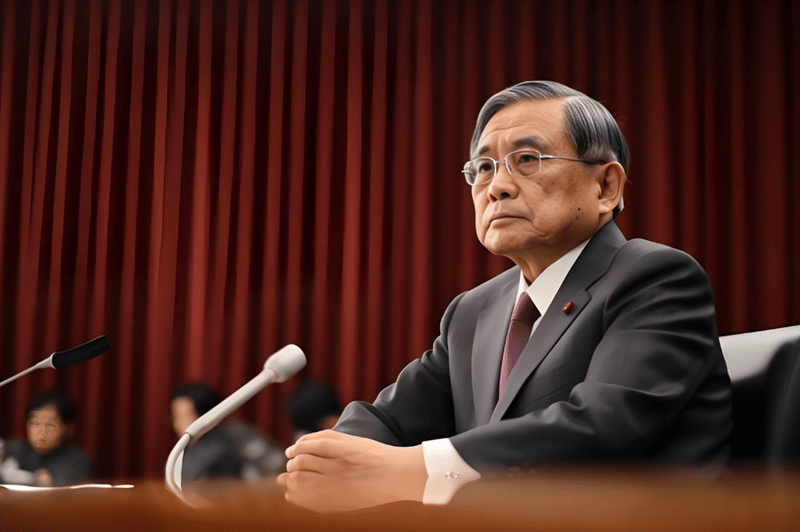
Sanae Takaichi Proposes the Possibility of Re-evaluating the Agreement
As the election for the leader of Japan's ruling Liberal Democratic Party approaches, candidate Sanae Takaichi made a striking statement in the media. In a live interview with Fuji TV, she pointed out that if there are clauses in the trade agreement with the United States that are unfavorable to Japan, "renegotiation" should be considered as an option.
This statement is particularly related to Japan's current $550 billion investment fund. Takaichi emphasized: "If any unfairness or issues against national interests arise during the execution of the agreement, Japan must stand firm, including considering the possibility of renegotiation."
Background: The Agreement Involves Huge Investments
This U.S.-Japan trade agreement is seen as a significant milestone in the economic and trade relations between the two countries. It includes Japan's commitment to establish a massive investment fund in exchange for certain tariff exemptions. However, there have been ongoing concerns in Japan about the fairness of the agreement, especially as domestic issues between industry protection and financial burden become more apparent.
Takaichi's statement not only addresses the sensitive issue of investment size but also implies skepticism about the negotiation's transparency. This raises attention to whether she, if elected party leader and subsequently Prime Minister, will push for a tougher stance on trade issues with America.
A Subtle Moment in the LDP Leadership Race
Currently, the Liberal Democratic Party is set to select a new leader from five candidates within a week. As the leader of the ruling party, the new leader is almost certain to become Japan's Prime Minister. Therefore, candidates' policy positions will directly determine Japan's future economic and diplomatic direction.
Sanae Takaichi has long been known for her blend of conservatism and pragmatism, with her campaign strategy emphasizing "national interest first." Her strong statements on the U.S.-Japan trade agreement align with her consistent approach and help garner support from conservative factions within the party and some centrist voters.
Political and Economic Double Considerations
Analysts believe that Takaichi's remarks are not only a statement on economic policy but also carry a strong political significance. Domestically, emphasizing "upholding national interests" helps solidify her image and respond to the increasingly sensitive societal sentiments regarding external pressures in Japan. Internationally, it signals to the U.S. that Japan may demand greater flexibility and reciprocity in future trade negotiations.
However, whether renegotiation will materialize depends on her success in winning the party leadership and the response from the United States. Given the longstanding complex and interdependent nature of U.S.-Japan economic and trade relations, any renegotiation would involve prolonged negotiation.
Future Directions and Market Attention
Market observers point out that Takaichi's statements may lead to investor concerns about short-term uncertainty in U.S.-Japan relations. Should renegotiation of the agreement occur, any changes in tariffs and investment scale could directly impact companies in both countries, particularly those in manufacturing and export-related industries.
Meanwhile, this issue is set to become a key topic in the party leadership race. Whether other candidates follow suit in their statements will affect the Liberal Democratic Party's overall direction on foreign economic and trade policy.
It can be anticipated that Takaichi's move not only adds new points of policy discussion within the party but also leads to a reevaluation of Japan's strategic maneuvering in U.S.-Japan relations on the global stage. As the countdown to the party leadership election continues, the focus of attention within Japan and abroad has quietly shifted to the possible recalibration of the U.S.-Japan trade agreement.