Tariff Plan: First 10%, then 25%, contingent on the "Greenland Deal"
According to multiple media reports, U.S. President Trump stated that starting from February 1, 2026, an additional 10% tariff will be imposed on goods exported from Denmark, Norway, Sweden, France, Germany, the United Kingdom, the Netherlands, and Finland to the United States. He plans to increase the tariff to 25% by June 1.
He mentioned on social media that these measures will continue until an agreement on the "complete purchase of Greenland" is reached.
Legal Basis and Implementation Path Still Uncertain
The reports indicate it is unclear under which U.S. law the White House intends to implement these tariff arrangements. Foreign media interpret that Trump may resort to executive powers related to an "economic emergency," with the relevant authority boundaries being scrutinized and monitored judicially.
Europe's Response: Stronger Sovereign Stance, Arctic Security Issue "Tariff-ized"
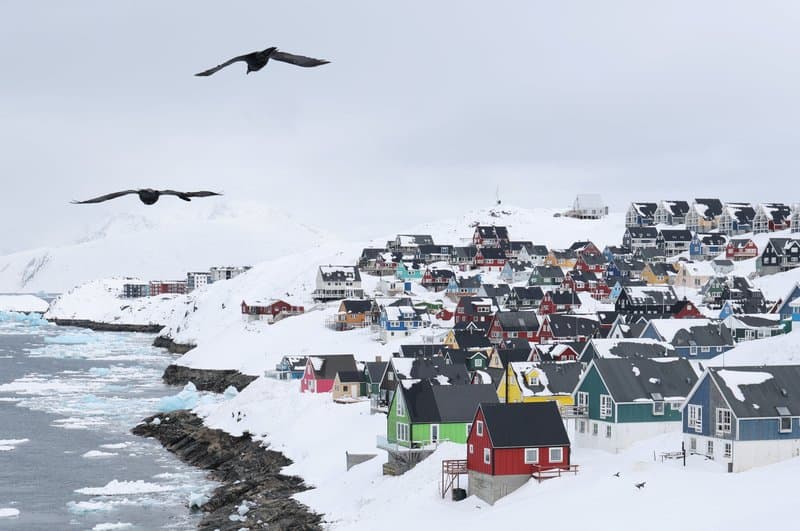
Greenland is an autonomous territory of Denmark. Trump has repeatedly emphasized that the U.S. should control Greenland, stating it's strategically significant for missile defense and Arctic security.
Various European entities emphasize that Greenland's affairs should be determined by Denmark and Greenland residents. Denmark also announced plans to collaborate with allies to strengthen military presence in Greenland; meanwhile, Norwegian Foreign Minister Ine Eriksen Søreide stated there's consensus within NATO on enhancing Arctic security but "does not believe tariff discussions are suitable for this debate."
Protests and "Cooling Down" Actions: Rising Political Pressure from Nuuk to Copenhagen
In Denmark and Greenland, local protests have emerged against the "annexation/purchase" proposal. Greenland's Prime Minister Jens-Frederik Nielsen declared at a demonstration in Nuuk, "The future is for us to decide."
Meanwhile, U.S. Democratic Senator Chris Coons expressed a desire to "cool down" tensions and maintain ally trust during an open statement in Copenhagen.
Market and Business Observation: If Tariffs Materialize, Impact May Start with Expectations
For investors, short-term focal points lie in two areas: first, if tariffs proceed with a "political condition" approach, the premium on transatlantic trade friction may revert to exchange rates and risk asset pricing; second, if Europe counters or negotiations waver, expectation volatility in relevant export industries and cross-border supply chain businesses may amplify.