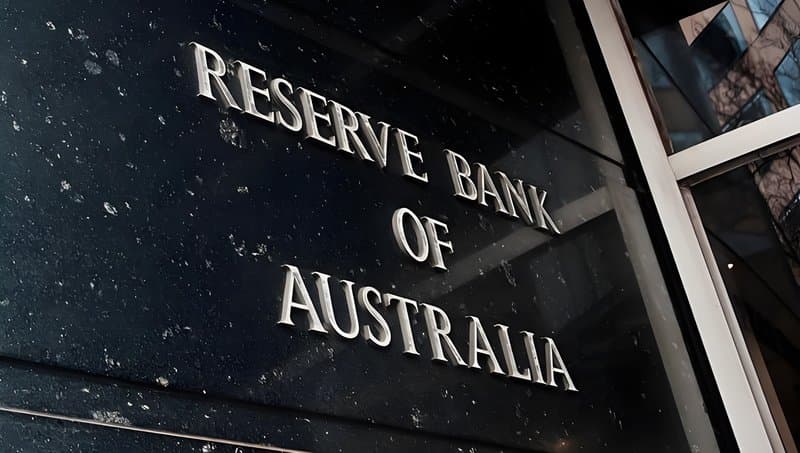
Expectations of Interest Rate Cut Rise, Continuous Easing Likely
The Reserve Bank of Australia (RBA) is set to hold a monetary policy meeting on July 8, where the market widely anticipates a cut in the cash rate by 25 basis points to 3.6%. This will mark the first consecutive rate cut in six years. Should this cut proceed, the total rate reduction since the beginning of the easing cycle will expand to 75 basis points to counteract pressures from weak consumption and global trade environment.
Recent data shows Australia's monthly inflation rate is nearing the lower bound of the central bank's 2%-3% target range, with household spending remaining weak and consumer confidence at low levels, providing room and necessity for further rate cuts.
Domestic and Global Pressures Drive Easing Measures
The meeting coincides with the deadline for U.S. President Trump's tariff agreement, as rising trade protectionism and geopolitical tensions strain the global economy. Although Australia, as a U.S. free trade agreement partner, faces only a 10% tariff, long-standing trade deficits, slowing global demand, and declining iron ore prices have pressured exports and fiscal revenue.
An over 6% appreciation of the Australian dollar this year has also tightened financial conditions, increasing demand for easing policies to mitigate economic pressures.
Division Points to Future Path
Despite broad expectations of a rate cut, some institutions remain cautious. Bank of America economist Nick Steiner notes that trimmed mean inflation might exceed the 2.5% midpoint target, unemployment could be lower than the central bank's forecast of 4.2%, and rising unit labor costs due to weak productivity imply inflation risks are not fully addressed.
J.P. Morgan economist Ben Jarman suggests RBA Governor Michelle Bullock may maintain an open stance in the post-meeting briefing, emphasizing that further rate cuts will depend on conditions to manage market expectations for another cut in August.
Global Easing Resonance, Australia's Pace in Focus
Amid diverging global central bank policies, moves by Australia, Canada, Europe, and the UK to cut rates recently resonate while the Federal Reserve plans to keep high rates till mid-2025, and the Reserve Bank of New Zealand may stabilize rates after continuing its easing cycle.
The market expects Australia may cut rates two more times this year, bringing the cash rate down to 3.1% by year-end. However, some economists think rates might pause at 3.35% to assess the transmission effects of prior easing on the real economy.
Women Leaders Mark a Policy Era Shift
Notably, this meeting is a historic moment for the Reserve Bank of Australia, as newly appointed Treasurer Jenny Wilkinson will participate in rate decision-making for the first time, signaling that Australia's two main economic institutions are both led by women.
In addition, the RBA Board will discuss enhancing policy transparency and detailing decision-making processes in response to some members' calls to break traditional confidentiality practices, potentially leading to a more open and efficient communication model for future monetary policy.