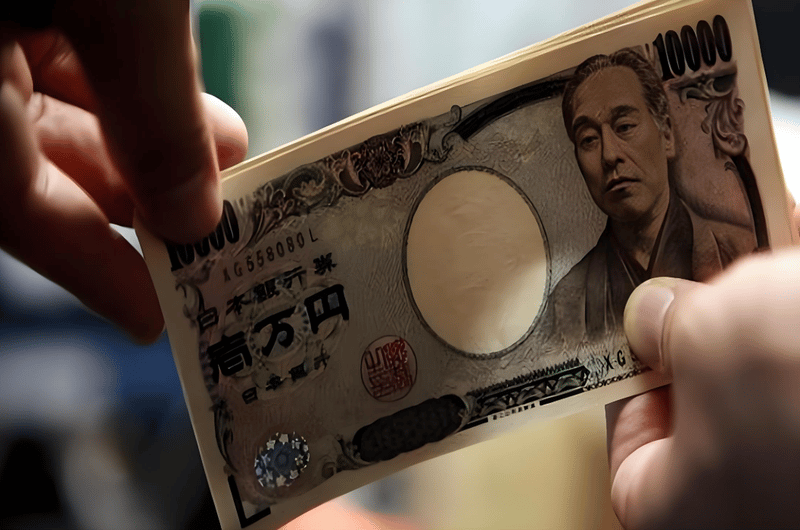
Goldman Sachs Raises USD/JPY Forecast, Warns of Japanese Fiscal Risks
Goldman Sachs recently released a report adjusting its forecast for the USD/JPY exchange rate and warned of fiscal risks facing the Japanese economy. Analysts noted that Seiko Noda's stimulus policies and changes in the Japanese political landscape could lead to increased volatility in the yen and impact market expectations.
Goldman Raises Yen Exchange Rate Forecast
Goldman strategists Kamakshya Trivedi and others raised their 3-month, 6-month, and 12-month USD/JPY exchange rate forecasts from the previous 142, 138, and 135 to 150, 148, and 145, respectively. Goldman analysts believe that due to the policy uncertainty led by Seiko Noda, the market will continue to maintain a premium expectation on USD/JPY.
Seiko's Policy Risks Have Two-Way Impact
Seiko Noda's stimulus policies have become the key factor in Goldman's yen exchange rate forecast adjustment. The government's policies will directly affect the yen's trajectory but also come with potential risks. Goldman pointed out that if the formation of the Noda government is hindered, or if fiscal policy outcomes do not meet expectations, the yen may weaken. Meanwhile, other potential coalition partners, such as the Democratic Party for the People, may push for more stimulative policies like tax cuts, adding further uncertainty for the yen.
Global Risk Sentiments Affect Yen
Global risk sentiment remains a significant factor driving domestic market trends. Due to sharp market volatility and uncertainty, the yen's attractiveness as an emerging market carry trade tool is diminishing. Goldman stated that with global market instability, investors are more inclined to choose more stable currencies over the yen, particularly against the backdrop of fiscal pressure on the Japanese economy, which may further reduce the yen's appeal.
Impact of Bank of Japan's Monetary Policy
Despite raising the short-term forecast for the yen, Goldman's analysts remain cautious about the Bank of Japan's monetary policy. Goldman anticipates that the Bank of Japan's front-end rates will further compress, potentially lowering hedging costs. As the Bank of Japan continues to adjust policies, the yen will gradually regain strength. However, global risk sentiment will still play an important role in influencing the market during this process.