Contrast Between Technological Prosperity and Retail Dilemma
The second quarter of the U.S. stock market has shown a clear divergence. On one hand, tech giants are benefiting from the wave of artificial intelligence, reaching new highs in market value; on the other hand, large retail companies are anxious under tariff pressures. Although the overall indices remain strong, the retail sector reveals anxiety and concerns in the consumer market.
Increasing Impact of Tariffs
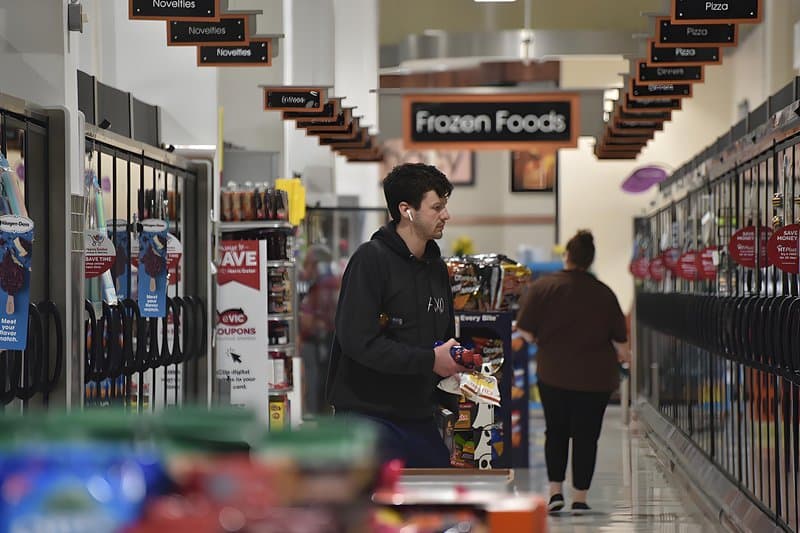
From everyday food to home appliances, the burden of tariffs is gradually being shifted to consumers. Walmart, Target, and Best Buy all indicate that a new round of cost pressures is emerging and will increase further in future quarters. The situation is particularly evident in the food sector, with coffee giant J.M. Smucker reporting a significant profit shrink due to tariffs, and Hormel Foods also noting a performance decline due to rising input prices.
Stock prices have quickly amplified industry concerns. Analysts point out that if tariff policies persist long-term, retail companies' profit margins will continue to erode, potentially reshaping the industry landscape.
Uncertainty Exacerbates Corporate Challenges
More worrisome for retail executives than the direct cost increases is the uncertainty of tariffs. Although federal courts have issued restrictive rulings on some tariffs, policies remain unchanged during the appeal process. Companies lack clear guidance in their import and export plans and pricing strategies, facing a "no-win situation."
Former Gap CEO Mickey Drexler openly stated that companies now almost have no control over costs and profits, and may face even harsher conditions in the future.
Consumer Side Transmission Effects
With high-cost inventory gradually entering the market, retail prices are inevitably rising. Walmart CEO Doug McMillon has clearly stated that the company is trying to delay price adjustments, but as inventory turns over, consumers will ultimately bear higher expenses.
Market researchers note that the impact is most direct on low-income groups, who are already under pressure from inflation and now facing additional tariff effects, further diminishing their purchasing power.
Consumer Confidence Continues to Weaken
The latest University of Michigan consumer confidence index shows confidence fell nearly 6% from the previous month in August, with the year-on-year decline exceeding 14%. Not only have overall expectations deteriorated, but concerns about future inflation are also rising, from 4.5% to 4.8%. Durable goods purchasing willingness has dropped to a one-year low, reflecting that U.S. consumers are tightening their spending.
Survey leader Joanne Hsu indicates that the decline in confidence spans income, age, and wealth differences, showing that anxiety has widely permeated all levels of society.
Key Challenges for the Retail Industry
While the tech sector continues its growth story, the U.S. retail industry faces multiple challenges of tariffs, inflation, and waning consumer confidence. In the short term, as tariffs continue to reflect in prices, retail companies may be forced to frequently adjust pricing strategies, inevitably affecting consumer spending.
In the long run, if the policy environment lacks stability, the malaise in the American retail market may further exacerbate. Retailers' warnings not only reveal the industry's predicament but also reflect potential concerns about the overall economic resilience.