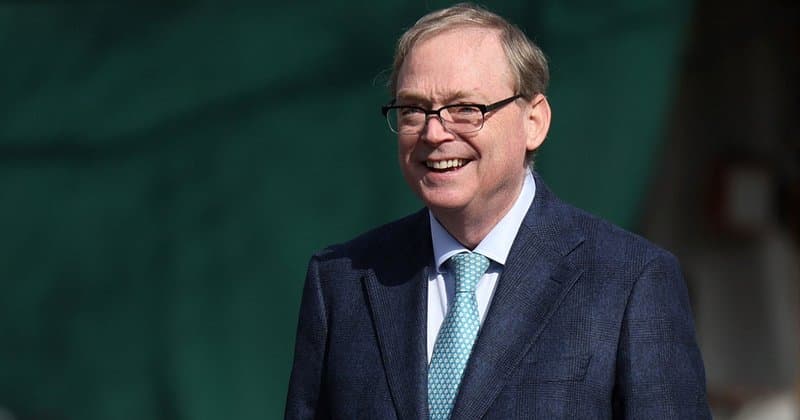
Hassett Speaks Out: Despite Potential Tariff Penalties, Complex Refund Processes May Halt Court Action
In a Sunday interview with CBS's "Face the Nation," White House National Economic Council Director Kevin Hassett warned about the controversial Trump tariff legality lawsuits. Hassett noted that even if the Supreme Court ultimately rules that the tariffs imposed under the 1977 International Emergency Economic Powers Act by Trump are illegal, the likelihood of the federal government having to refund the collected tariffs to importers is very slim.
Hassett believes refund operations face insurmountable "administrative challenges" in practice. He explained that while importers are the ones paying the tariffs, the costs have often been passed down to the broad base of consumers. If the court orders refunds, the money would first go to the importers. Ensuring that these significant funds are fairly and accurately redistributed to the affected end customers would present enormous technical challenges. Hassett candidly stated, "We truly hope the Supreme Court supports the government, but even if the outcome is unfavorable, this extreme administrative complexity would prevent large-scale redistribution of funds."
Legal Battle Enters Deep Waters: White House Plans Emergency Response to Possible Supreme Court Ruling
The U.S. Supreme Court is currently hearing a series of lawsuits focusing on whether the Trump administration overstepped its executive powers. Plaintiffs argue that declaring a national emergency for reasons such as the fentanyl crisis or trade deficit to impose tariffs exceeds the statutory powers granted to the President by the International Emergency Economic Powers Act. If the government loses, the legitimacy of tariff revenues amounting to billions of dollars will be thrown into question.
Though Hassett publicly insists the chances of the government losing are "small," sources indicate the White House has already prepared an emergency plan for the worst-case scenario. If the existing tariffs are invalidated, the government plans to rapidly impose import taxes through other legal avenues to ensure no vacuum is left in trade protection policy. This statement aims to convey the government's steadfast stance on tariff policy to the market. Seen as a likely candidate to succeed Powell as Fed Chair, Hassett's statement is viewed as a key move to balance risks between economic policy and legal proceedings.
"Tariff Dividend" Plan Surfaces: Hassett Says Proposal for $2,000 Checks to Congress Next Year
In addition to the lawsuits, Hassett brought up a controversial topic: Trump's previously conceived "tariff dividend" plan might officially be on the agenda next year. Trump has repeatedly proposed using tariff revenues to issue a one-time $2,000 check to eligible Americans to alleviate pressure from rising living costs. Previously, the plan faced skepticism from some Republicans due to concerns it could exacerbate the deficit.
However, Hassett appeared more optimistic in Sunday's interview. He stated that as the U.S. economy continues to improve, with robust GDP growth and a narrowing government deficit, there is now fiscal space for issuing these checks. "Over the summer, I wasn't sure, but now I'm very certain the space exists," Hassett said. He revealed that President Trump is expected to submit a formal proposal to Congress in the new year. If passed, this "tariff dividend" cash distribution could become a significant part of U.S. fiscal policy in 2026, though it will undoubtedly spark intense debates over inflation risks and fiscal transparency.