High-Level US-Japan Economic Talks Focus on Policy Coordination
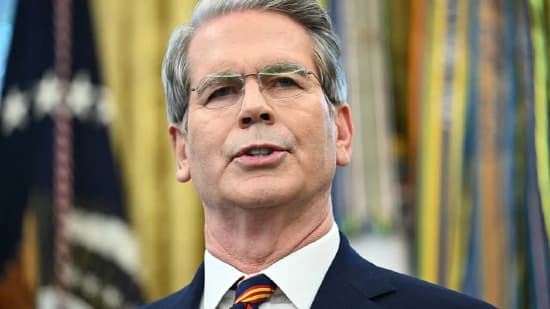
On Monday local time, US Treasury Secretary Scott Besant met with Japanese Finance Minister Satsuki Katayama in Washington. They primarily discussed fiscal policy, inflation pressures, and market exchange rate fluctuations. This move is seen as the latest sign that the US and Japan are reinforcing macroeconomic cooperation amid increasing global monetary policy divergence.
According to a statement from the US Treasury, Besant expressed his pleasure in hearing Minister Katayama's views on the fiscal measures the Japanese government is considering and looks forward to further understanding their potential economic impact once Japan develops a full plan. Besant emphasized that the US government will closely monitor the scale and pace of Japan's stimulus policies, as these measures could affect global capital flows and exchange rates.
The talks took place on the eve of the Federal Reserve's policy meeting and the Bank of Japan's policy update, with the market broadly viewing this dialogue as not only bilateral communication but also a "thermometer" for the policy stance among major global economies.
Besant: Coordination of Fiscal and Monetary Policies is Key
Besant pointed out in the talks that "sound monetary policy-making and effective communication play a crucial role in stabilizing inflation expectations and preventing excessive exchange rate volatility." He noted that since the implementation of "Abenomics" in 2012, the global financial landscape has changed significantly. The current macro environment is more complex, with increased linkage between inflation and exchange rates, necessitating coordinated responses from major economies.
Besant also stated that the US supports Japan's efforts to balance fiscal sustainability with economic growth stimulation and specifically mentioned that Japan's ability to maintain economic vitality through structural reforms despite high public debt is commendable.
Analysts believe Besant's remarks reflect US concerns over the potential spillover effects of Japanese fiscal stimulus and suggest that Washington hopes for transparency and predictability from Tokyo on exchange rate issues.
Katayama's New Policies Attract Attention, Reform Direction Praised
This meeting marked the first formal bilateral talks between Satsuki Katayama and her US counterpart since taking office as finance minister. During the talks, Katayama introduced to Besant the framework of Japan's fiscal stimulus plan under evaluation, including expanding public investment, optimizing tax structures, and strengthening support for energy and technology industries.
Besant praised Katayama's governance philosophy in a statement, commending her successful efforts in deregulation during her previous cabinet roles, and expressing confidence that she can continue to lead Japan in boosting productivity and enhancing economic resilience.
The market generally views Satsuki Katayama as a rising force of "pragmatic reformists" in Japanese politics. She advocates for fiscal policy to focus more on industrial competitiveness and long-term growth potential rather than short-term stimulus. Some analysts in Tokyo suggest that this direction may indicate Japan will adopt a policy mix of "structural easing + gradual interest rate hikes" to avoid economic dependency on policy measures.
Exchange Rate Issues Become Potential Focus
While neither side publicly mentioned foreign exchange intervention, the post-meeting statement showed both countries are concerned about recent exchange rate fluctuations. Besant emphasized that the US understands Japan's stance that rates should "reflect economic fundamentals” and believes excessive volatility could disrupt market stability.
Since September, the yen has shown significant fluctuations among major global currencies, leading to market speculation that the Japanese government might be considering intervention measures to prevent rapid devaluation if necessary. Besant's comments are seen as diplomatic acknowledgement of Tokyo's "verbal intervention," indicating a more accommodating US stance on exchange rate issues.
Both Sides Pledge to Deepen Cooperation to Address Global Challenges
Beyond macroeconomic topics, the US and Japan also discussed cooperation in areas such as supply chain security, green investment, and regional financial stability. Besant emphasized that as major global economies, the US and Japan should continue to strengthen policy coordination within the G20 and IMF frameworks to prevent the risk of economic fragmentation from expanding.
Both sides agreed to maintain high-level communication in the coming months and hold the next round of economic and financial strategic dialogue by the end of the year.
Analysts pointed out that this meeting demonstrates the US and Japan's efforts to seek a new balance between competition and cooperation: on one hand, Japan is trying to stabilize growth through fiscal stimulus; on the other hand, the US hopes to ensure policy coherence to prevent “policy misalignment” in global markets.
Policy Consensus Injects Confidence into the Market
Overall, the meeting between Besant and Katayama has sent positive signals regarding fiscal and monetary policy coordination between the two nations. Although the US and Japan face different inflation environments and economic cycles, both sides recognize the importance of policy communication.
Market participants generally believe that if Japan launches new economic stimulus measures in the coming months, the US-Japan policy consensus will help ease global market volatility and provide new support for financial stability in the Asia-Pacific region.