Continued Sales Growth, Steady Start to Holiday Season
Recent data shows that the U.S. holiday shopping season kicked off on a relatively positive note. Overall retail performance on Black Friday continued its upward trend, indicating that U.S. consumers still possess strong purchasing power despite inflation pressures and economic uncertainties. The industry generally believes that this stable start provides some support for the retail sector's year-end results.
Compared to last year, the growth rate of Black Friday shopping expanded further, reflecting consumers' willingness to seize discount opportunities during the promotional season. This resilience in demand is particularly noteworthy given that inflation has not yet fully subsided.
Both Online and Physical Channels Contribute to Growth
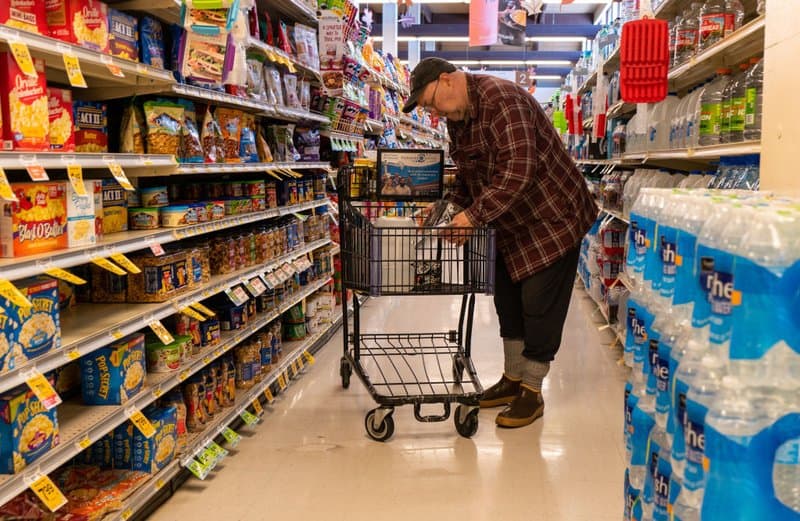
Looking at different sales channels, physical stores continue to attract foot traffic, with shopping malls and large chain supermarkets experiencing a resurgence in visitors on Black Friday. Although consumers are more budget-conscious, the offline shopping experience still holds irreplaceable advantages, revitalizing physical retail.
Concurrently, e-commerce platforms continue to act as growth engines. Online sales maintained double-digit growth, although at a slower rate than last year, but overall momentum is stable. Analysts note that consumers' shopping habits have further transitioned towards digital, with increased mobile traffic contributing significantly to online retail.
The trend of multi-channel integration is becoming more evident. Some retailers are extending discount strategies to both online and offline channels simultaneously, thereby expanding their reach and enhancing overall sales performance.
Consumer Purchasing Power Remains Strong, but Uncertainty Looms
Despite the impressive Black Friday performance, economists remain cautious about the remainder of the holiday season. On one hand, consumer income growth continues to support purchasing power; on the other hand, household savings rates have significantly decreased since the pandemic, and credit card burdens have risen, making future spending patterns uncertain.
A core issue of interest to economists is how much of the current growth is driven by price increases rather than actual expansion in purchasing volume. If inflation remains high, Black Friday data may not fully reflect the true intensity of consumption.
Additionally, the year-end shopping peak is typically influenced by changes in the job market, interest rate trends, and consumer confidence. With household budgets under pressure, many people tend to concentrate their purchases during promotional periods to reduce annual expenses, potentially compressing spending space after the holiday season.
Retailers Adjust Strategies to Strengthen Competitiveness
In response to changing consumer behaviors, retailers are increasing investments in price competition, inventory management, and promotional innovation. Many companies are starting discount seasons early to spread out consumer spending and reduce the risk of inventory build-up.
Additionally, enhancing logistics efficiency and optimizing online shopping experiences have become key focus areas for retailers. As delivery costs rise, companies are improving user loyalty by shortening delivery times and offering flexible return policies.
Looking ahead, retail companies will continue to seek a balance amid changing demand and economic pressures. Given the many external variables still at play, Black Friday's stable performance provides a solid start for the subsequent holiday season, but the overall consumption trend for the year awaits further data confirmation.