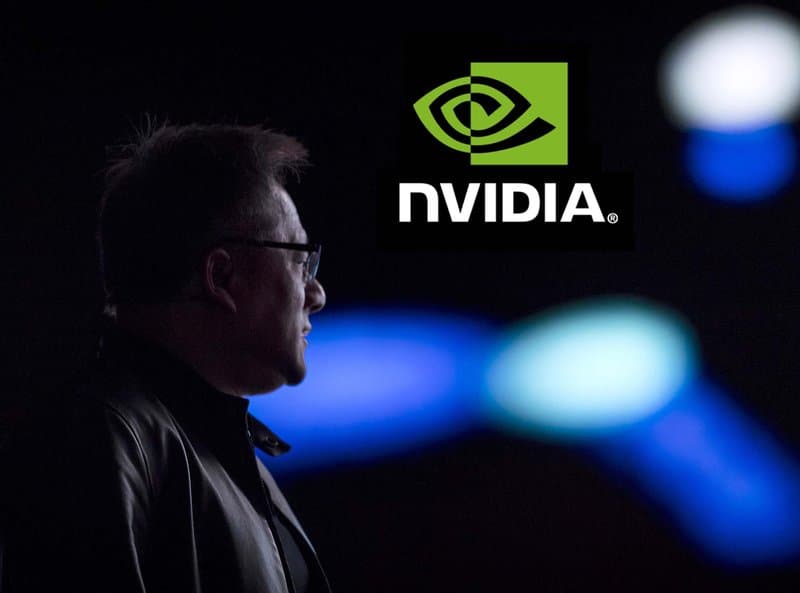
NVIDIA Halts Testing of Intel's 18A Process, Affecting Stock Prices
On December 23, 2024, NVIDIA's stock closed down 0.32%, with trading volume reaching $12.202 billion. Recently, a bearish report emerged indicating that NVIDIA has suspended testing of high-end chip production using Intel's 18A process technology. Upon release, this news caused Intel's stock to decline on Wednesday, raising concerns about the future collaboration between the two companies.
According to several informed sources, NVIDIA had recently tested Intel's 18A process technology, planning to use it for high-end chip production. However, NVIDIA has now decided to stop the related testing and to cease advancing collaboration with Intel.
NVIDIA and Intel Remain Silent; Intel Emphasizes Smooth R&D Progress
Despite the attention this news has garnered in the market, neither NVIDIA nor Intel has issued an immediate public response. An Intel spokesperson stated that the company's R&D for the 18A manufacturing technology is progressing "smoothly," without disclosing further details. Similarly, a spokesperson for NVIDIA has not made any public comments on the matter.
This news has left investors puzzled, as NVIDIA had previously collaborated with Intel to conduct technical tests aimed at advancing high-end chip production. However, NVIDIA's abrupt cessation of testing and halting of the collaboration process might suggest a rift in their partnership. Investors are concerned about the future cooperative prospects between NVIDIA and Intel, which has also adversely impacted the stock prices of both companies.
Background of NVIDIA and Intel's Collaboration
The partnership between NVIDIA and Intel has always drawn significant market attention. As a global leader in graphics chip manufacturing, NVIDIA holds a crucial position in fields like data centers, gaming, and AI. Intel, being one of the world's largest semiconductor chip manufacturers, boasts advanced manufacturing technology. Their collaboration in chip manufacturing implied that NVIDIA might rely on Intel's advanced process technology to enhance its product performance, particularly in the production of high-end chips.
However, with technological advancements and changes in market demand, NVIDIA may have developed new considerations regarding Intel's manufacturing technology. Some analysts believe that NVIDIA's suspension of collaboration with Intel might indicate a new strategic approach in its chip manufacturing plans, possibly involving reliance on other manufacturers' process technologies or even developing new technologies internally.
Market Reaction and Future Outlook
The market's reaction to this news has been relatively negative, with NVIDIA's stock price declining and Intel also facing stock price pressure. Investors are doubtful about the future collaboration prospects of the two companies, especially given the increasingly fierce competition in the global semiconductor industry. NVIDIA and Intel might need to explore new collaboration models.
From a technological perspective, Intel's 18A process technology is considered one of the key technologies for its future development. If NVIDIA decides not to continue collaborating with Intel, it could impact Intel's competitiveness in the high-end chip market. On the other hand, as a leader in the chip sector, NVIDIA could also optimize its products further through alternative technology paths.
Uncertain Future of NVIDIA and Intel's Collaboration
The news of NVIDIA halting testing of Intel's 18A process has attracted widespread market attention and impacted the stock prices of both companies. Although Intel emphasizes that its technology R&D is proceeding smoothly, NVIDIA's decision casts doubt on the future partnership between the two companies.
Whether NVIDIA and Intel can resume their collaboration in the future or choose other technological routes remains uncertain. For investors, the future directions of both companies will be crucial. As competition in the semiconductor industry continues, how NVIDIA and Intel adjust their strategies will determine their competitive positions in the market.