Trump's Frequent Moves Challenge Fed's Independence
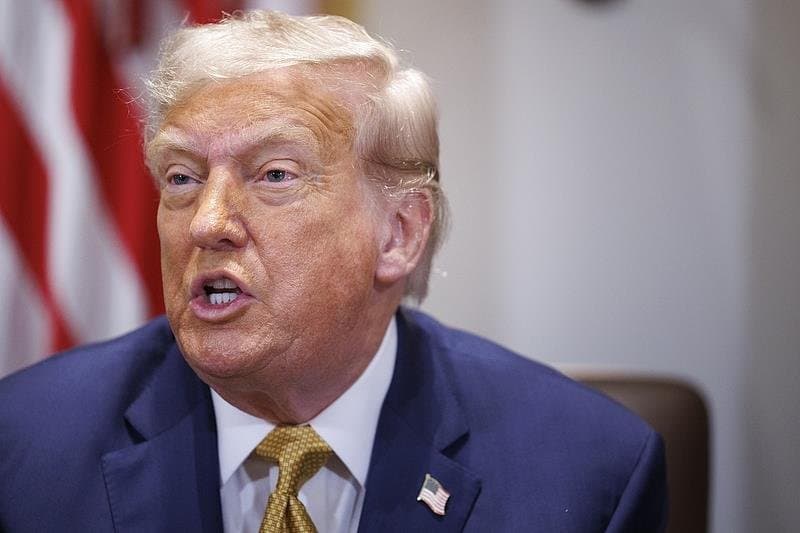
In the latest cabinet meeting, U.S. President Trump stated clearly that his nominees would soon hold a majority on the Federal Reserve Board, providing strong support for his goal of significant rate cuts. This statement came just hours after he announced the unprecedented dismissal of Federal Reserve Governor Lisa Cook, who was appointed by former President Biden, drawing widespread attention from both markets and academia.
Analysts believe Trump's assertive stance not only tests the Fed's independence once again but also adds more uncertainty to the future direction of interest rate policy. The market has already started speculating that if Trump secures a majority, the Fed will lean towards more dovish policies.
Board Seat Arrangement: Trump's Core Calculation
Under the current arrangement, Trump has appointed two Federal Reserve governors, and a third nominee is about to be finalized. He plans to nominate Chief Economic Advisor Stephen Milan to replace Adriana Kugler, who resigned unexpectedly, to complete the term until 2026.
Once the nomination is approved by the Senate, members appointed by Trump will occupy three out of seven seats on the board, nearing the crucial threshold for "majority control." Trump candidly pointed out that having a majority will set the stage for addressing housing finance issues and lowering loan rates.
Political Pressure and Powell's Opposition
In his speech, Trump once again criticized current Fed Chairman Powell, accusing him of maintaining high interest rates that have suppressed the housing market and kept loan costs elevated. He emphasized, "We will solve this problem soon."
This statement indicates that Trump continues to pressure Powell on monetary policy, raising concerns about the erosion of the Fed's independence. Powell has previously rejected calls for significant rate cuts, insisting on basing policies on economic data.
Legal and Institutional Contest: The Cook Event Escalates
Following Trump's announcement of Cook's dismissal, the Fed quickly issued a statement stressing that the long-term tenure and protection from dismissal of governors are crucial mechanisms for safeguarding the independence of monetary policy. Cook herself plans to seek the right to continue in her role through legal channels, and the case is expected to be fiercely contested in court.
The White House spokesperson argued that the President removed Cook from her position "in accordance with his legal powers" due to alleged misconduct related to mortgage loans. Trump responded by stating he would respect the court's final decision.
Market and Economic Impact: Surge in Rate Cut Expectations
Following Trump's announcement of controlling the Fed, market expectations for future interest rate policy have clearly shifted. Investors believe that with Trump's nominees likely to be approved, the Fed is more likely to adopt easing measures in the September and subsequent meetings.
Treasury yields and the dollar index have experienced fluctuations, and risk-averse sentiment has driven demand for assets like gold. Analysts indicate that in the short term, political factors are gradually replacing pure economic data as a significant motivator for influencing Fed policy.
Is the Fed's Independence in Peril?
The showdown between Trump and the Fed has reached a critical stage. If his selections succeed in gaining positions, the Fed will face structural changes, potentially compromising its policy independence like never before.
In the coming weeks, the Senate's review of the new nominees, the progress of Cook's legal battles, and how Powell handles ongoing pressure from the White House will be focal points for global markets.
Overall, Trump's strategy to control a majority of the Fed through appointments has accelerated the agenda for rate cuts and added further uncertainty to the already volatile global financial markets.