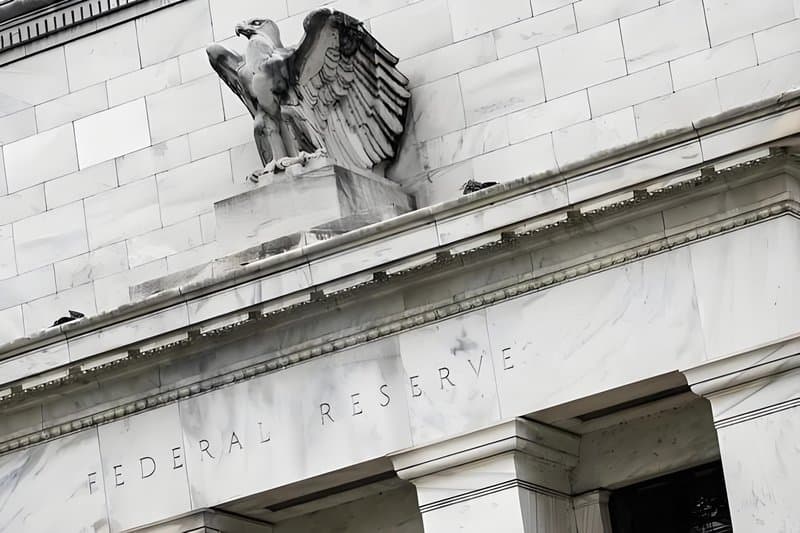
Federal Reserve Meeting Nearing, Market Focuses on Rate Cut Magnitude
The Federal Reserve will hold its September meeting on September 17th, Beijing time, and the market widely expects it to announce the first rate cut since December last year. Most economists and investors anticipate a cut of 25 basis points, seen as a "preventive cut" rather than a reactive adjustment due to economic recession. Current market pricing shows a high probability of a total of three rate cuts this year.
Differing Impacts of Preventive and Recessionary Rate Cuts
Looking back at history, the nature of Federal Reserve rate cuts determines the performance of asset markets. During the recessionary rate cut cycles in 2000 and 2007, the global economy faced downward pressure, weighing down A-shares and Hong Kong stocks. In contrast, the preventive rate cuts in 2019 and 2024 were largely seen as support for economic recovery, with markets generally rising.
A-shares Poised to Benefit, Liquidity and Consumer Sectors Favored
Industry experts believe that if the expected rate cut materializes, A-shares might strengthen due to improved liquidity and increased risk appetite. In terms of sector performance, technology stocks such as TMT, along with consumer core assets like food and beverages, social services, beauty care, and pharmaceutical and biological products, are likely to take the lead. Compared to cyclical industries, growth and consumer sectors are expected to receive stronger support.
Hong Kong Stocks More Sensitive, Technology and Consumption Might Be Winners
Compared to A-shares, Hong Kong stocks are more sensitive to external liquidity conditions. Preventive rate cuts often help Hong Kong stocks rise in the short term, with outstanding performances in sectors such as essential and discretionary consumption, industrial, and technology. Analysts point out that if dollar liquidity improves, Hong Kong stock funds may experience a phased recovery.
Gold Prices May Rise Then Fall, Investors Remain Cautious
Under the backdrop of preventive rate cuts, gold prices typically benefit in the short term from declining dollar and US Treasury yields, thus gaining support. However, as expectations for economic improvement heat up, funds may gradually flow back into other assets, leading to a potential gold price correction. Currently, with gold at high levels, investors need to be cautious of volatility risks.
Outlook and Conclusion
Overall, if the current round of Federal Reserve rate cuts is confirmed as "preventive," it will be favorable for equity markets, particularly the growth and consumer sectors of A-shares and Hong Kong stocks. Although gold may benefit in the short term, its future trend depends more on the rebound of the dollar and US Treasury. Generally, investors need to closely monitor the meeting statement and dot plot to assess the Federal Reserve's subsequent easing path.