Comprehensive Upgrade of Tariff Measures
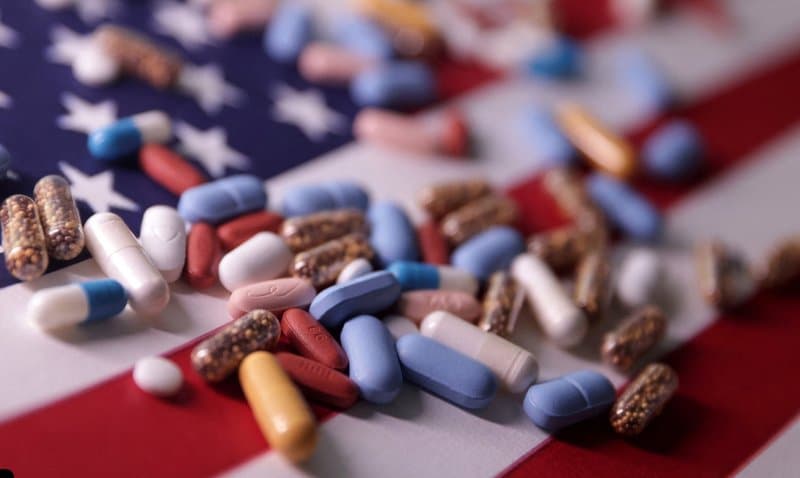
On Thursday, U.S. President Trump announced on his social media platform that a series of new industry tariff policies will be implemented starting October 1, covering areas from manufacturing to pharmaceuticals. According to the plan, the U.S. will impose a 25% tariff on imported heavy trucks, a 50% tariff on cabinets and bathroom cabinets, a 30% tariff on upholstered furniture, and up to a 100% tariff on imported branded and patented drugs.
This series of measures marks a further expansion of the Trump administration's use of tariffs as a strategic tool. Trump emphasized that this move is not only to boost domestic manufacturing but also involves considerations of "national security."
Rationale and Industry Protection Logic
In the statement, Trump mentioned that U.S. heavy truck manufacturing companies have long been under pressure from overseas competition. He believes domestic brands like Peterbilt, Kenworth, Freightliner, and Mack Trucks need policy protection to avoid being weakened by external shocks.
Besides the automotive industry, the home and building materials industries are also targeted for protection. The 50% tariff is seen as a support measure for domestic small and medium-sized enterprises, intended to encourage "Made in America" to regain a dominant market position.
As for the pharmaceutical sector, the new regulations specify "exemption conditions"—only companies constructing production facilities within the U.S. can avoid the 100% tariff. Trump stated that this provision will force multinational pharmaceutical companies to restructure their supply chains, bringing more high-value segments back to the U.S.
Market Reaction and Controversy
After the policy announcement, the market showed a noticeable response. The U.S. stock sectors for the automotive and home industries rose slightly, with some investors betting that domestic companies will benefit from restricted imports. However, the pharmaceutical sector came under pressure amid concerns that global pharma giants might reduce drug supplies in the U.S., affecting prices and drug availability.
Trade experts pointed out that the new tariffs could increase the risk of friction with trade partners. Given the broad scope of measures, they might trigger retaliation from many countries, especially major manufacturing and pharmaceutical nations in Europe and Asia.
Geopolitical and Electoral Considerations
It is generally believed that this tariff adjustment is not only an economic issue but also has political motivations. With midterm elections approaching, Trump is trying to strengthen industry protectionism and gain support from voters in the manufacturing states of the American Midwest.
Additionally, against the backdrop of longstanding high medical costs in the U.S., the "punitive tariffs" on drugs are also seen as a political signal to voters that the administration is fighting for their benefit.
Future Outlook
Analysts believe that in the short term, the tariff policy may have a protective effect on some industries, but in the long term, rising import costs could exacerbate inflationary pressures and weaken downstream consumer purchasing power. Especially in the pharmaceutical field, if suppliers choose to reduce exports to the U.S., it may trigger drug shortages and cause social issues.
In any case, these tariff measures reflect the Trump administration's idea of "tariffs as bargaining chips." As the policy takes effect, the complexity of international economic and trade relations may further intensify.