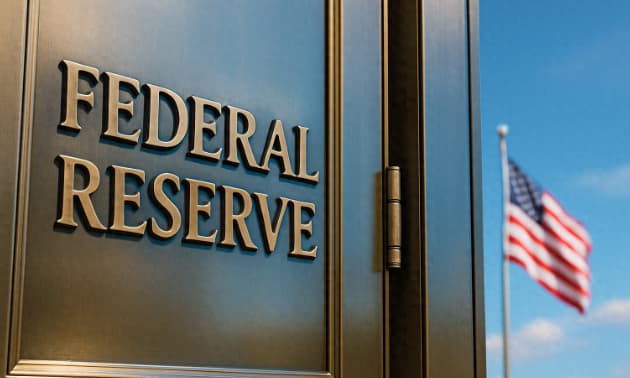
Meeting Minutes Highlight Divisions
The latest minutes from the Federal Reserve's September meeting indicate that, while most officials support continued rate cuts for the remainder of the year, the committee is not entirely unified. Some members advocate for gradual, small adjustments to avoid exacerbating inflation risks, while others believe in faster policy relaxation to ensure economic growth momentum. This division highlights the complexity of balancing inflation with employment.
Rate Cut Pace and Market Expectations
Following the release of the minutes, federal funds futures show that the market is almost certain the Federal Reserve will cut rates again in October and December. Investors generally anticipate three rate cuts this year, each around 25 basis points. This aligns with officials' predictions, though there are differences: some members see limited cuts through 2025, and a few do not rule out maintaining current rates. Consequently, the market is more cautious in judging next year's monetary policy path.
Inflation and Employment Considerations
The minutes repeatedly emphasize the ongoing risk of inflation but indicate a somewhat eased concern compared to prior assessments. Most officials believe price trends are stabilizing, with pressures easing in some areas. Meanwhile, the job market remains robust, with no significant rise in unemployment, providing room for further rate cuts. Policymakers generally agree that moderate rate reductions won't harm economic stability unless there is a clear deterioration in employment.
Officials' Statements and Policy Disputes
After the meeting, several Federal Reserve officials shared their views. The Vice Chair and some governors emphasized the resilience of employment and consumption, justifying modest easing. However, a few officials insist on more aggressive cuts to counter potential economic weakness. Notably, the new governor, Milan, cast the sole dissenting vote, advocating a one-time substantial 50 basis point cut, reflecting differing understandings of policy pace among newer members.
External Factors Adding Uncertainty
The minutes also specifically mention the potential disruption caused by the risk of a U.S. government shutdown, as it may lead to missing economic data, affecting future decisions. Furthermore, international market turbulence and a strong dollar make officials more cautious about assessing whether financial conditions are overly tight. Some members believe stock market gains have alleviated some financial pressures, rendering easing policies more feasible.
Long-term Outlook and Economic Confidence
Beyond short-term policy paths, the minutes reveal confidence in the medium and long-term economic outlook. Federal Reserve staff raised GDP growth forecasts for the coming years, indicating sustained trust in the U.S. economy's fundamentals despite rate cuts. Officials broadly agree that as the financial environment gradually improves, the economy is likely to maintain moderate growth in the coming years.
Cautious Easing Tone Established
Overall, the meeting minutes convey a tone of "cautious yet easing." Most officials lean towards further rate cuts within the year, yet are wary of easing too quickly to prevent inflation from resurging. The market expects continued rate reductions by the Federal Reserve, though uncertainty remains about next year's policy pace. Future decisions will depend on changes in inflation, employment, and the global economic environment as the search for a policy balance point continues.