Federal Reserve Takes Action Again, Shifts Interest Rate Policy
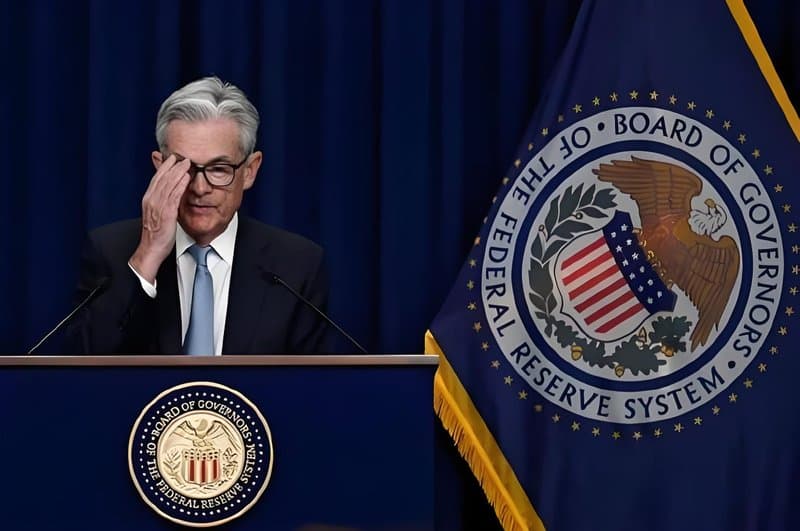
On September 17, the United States Federal Reserve announced a reduction in the federal funds rate target range by 25 basis points. This decision marks the first interest rate cut by the Federal Reserve in 2025 and follows three consecutive cuts last year. The adjustment not only responds to domestic economic pressures but also triggers a global financial market ripple effect.
Choices Under Dual Pressure of Employment and Inflation
According to the Federal Reserve's statement, the weakening U.S. employment market is a significant factor in the policy shift. The latest non-farm data shows slowed labor demand, with employment growth falling well short of market expectations. On the other hand, inflation shows signs of rising, with August CPI's year-over-year increase hitting a multi-month high. Faced with the dual dilemma of employment and inflation, the Federal Reserve has chosen a slight rate cut to balance risks.
Growing Internal Divisions, Uncertain Future Path
The latest dot plot shows widening divisions among the 19 Federal Reserve officials regarding future interest rate direction. Some officials see no need for further easing, while others advocate continued rate cuts or even significant loosening. This inconsistency highlights the uncertainty within U.S. decision-making circles regarding the economic outlook, keeping markets highly attentive to policy movements in the coming months.
Dollar Tidal Effect Reappears
The Federal Reserve's rate adjustments impact not only the U.S. domestic economy but also transmit through the dollar, the global reserve currency, to international markets. For decades, the U.S. has often transferred risks to other countries through capital outflows during easing and capital inflows during tightening. This rate cut again weakens the appeal of dollar assets, with international capital expected to flow more rapidly into emerging markets, boosting their stock and bond markets.
Immediate Reactions of Global Markets
Following the rate cut announcement, the U.S. stock market showed divergence, with tech stocks under pressure and Chinese stocks strengthening significantly. Both the Nasdaq Golden Dragon China Index and the MSCI China Index reached new multi-year highs, indicating that funds are reassessing opportunities in emerging markets. Meanwhile, international gold prices have soared once again, becoming an important tool for investors to hedge risks. Investment banks generally believe that a weaker dollar and low financing costs will enhance the appeal of emerging economies.
Gold's Status Strengthened Again
There is growing demand from central banks worldwide for gold. The latest survey shows that up to 95% of central banks expect to increase gold reserves in the next 12 months. This proportion has risen significantly from last year, reflecting concerns over the safety of dollar assets. Gold's importance as a tool for risk aversion and value storage is once again highlighted.
Risks and Opportunities Coexist
Although the market fully anticipated the rate cut, its impact remains profound. Investors need to be aware that global capital repricing could lead to significant asset price volatility. Experts caution that the gold market, in particular, has already shown marked increases, and ordinary consumers should avoid blindly following the trend when buying gold. Instead, they should rationally allocate assets and make decisions based on their financial situation.
Conclusion
The Federal Reserve's rate cut not only responds to the U.S.'s internal economic challenges but also represents a global redistribution of wealth. Emerging markets may have the opportunity for capital inflows, but they also face the test of external risks. Over the coming months, the Federal Reserve's policy path and global capital flows will continue to be the focal points for market attention.