

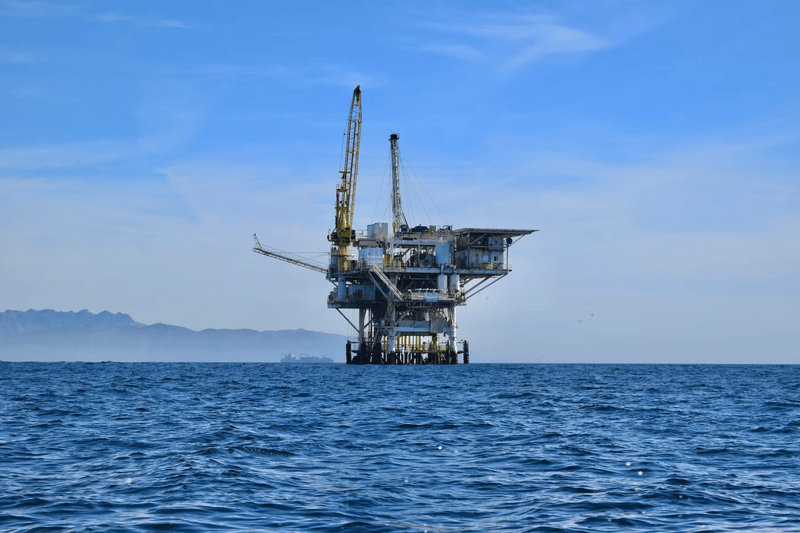
On Friday, ExxonMobil announced its fourth-quarter results for the period ending December 31, 2025. Amid weakening oil prices, the company relied on upstream production increases and a rebound in downstream refining profits to achieve slightly better-than-expected earnings, while investors focused on whether it would reassess its opportunities in Venezuela.
Performance Highlights: Adjusted EPS Slightly Exceeds Expectations, Revenue Slightly Weaker
The financial report shows the company posted a net profit of $6.5 billion for the quarter, with diluted EPS at $1.53. Excluding one-time items, the adjusted EPS was $1.71, which was above the market consensus estimate of $1.68. Revenue was $82.31 billion, slightly below analyst expectations.
Increased Production + Refining Recovery: Offset Downward Pressure on Oil Prices
Regarding business structure, the core support for this quarter's performance came from two areas: firstly, high-return assets like the Permian Basin and Guyana continued to drive production higher; secondly, industry refining margins rose at the year-end, coupled with cost control and improved operational efficiency, leading to a significant improvement in downstream profitability. Reuters mentioned that Brent oil prices fell by about 19% in 2025, putting industry profits under pressure, but ExxonMobil buffered the impact through cost reduction and high-quality increments.
The company disclosed that fourth-quarter net production was about 5 million barrels of oil equivalent per day (boepd), up from the previous quarter, with the Permian Basin and Guyana continuing to be key focuses. Meanwhile, downstream adjusted profits increased by about 60% quarter-on-quarter to $2.9 billion, and factors such as record refining throughput were mentioned. However, the chemical division reported a slight adjusted loss due to weaker margins, leading to an overall performance that was "better than expected but with increased divergence."
Capital Expenditure and Shareholder Returns: Continuing "Discipline + Buyback" Framework
In terms of capital allocation, which is of most concern to investors, ExxonMobil reiterated its emphasis on "investment discipline." The company disclosed that dividend and buyback levels in 2025 were significant and indicated a plan to continue with approximately $20 billion in buybacks before 2026. Capital expenditures last year were about $29 billion, with guidance for this year in the range of $27 billion to $29 billion. For production outlook, the company projected that full-year production in 2026 is expected to further increase to about 4.9 million barrels of oil equivalent per day.
Venezuelan Variables: Willingness to Evaluate, Emphasizing Protection and Investability
Compared to pure earnings data, the market is more focused on the "additional issue" of Venezuela. ExxonMobil CEO Darren Woods publicly stated after a related White House meeting on January 9 that the company remains interested in understanding Venezuelan resource opportunities, but investments must have clear protection mechanisms and executable legal frameworks.
Reuters previously reported that ExxonMobil is still considering sending a technical evaluation team to conduct on-site assessments; however, statements and policy directions from senior U.S. officials may still affect the pace and feasibility, making the issue a key topic of inquiry during earnings calls.
Market Reaction and Subsequent Focus
After the announcement, the company's stock price weakened in pre-market trading. In the short term, investors will closely follow three key lines: first, whether the rebound in refining margins is sustainable; second, whether the bottom of the chemical business cycle has been reached; and third, whether the evaluation of Venezuela will move from "technical assessment" to a more substantial capital commitment phase.







