
Inflation Data Lower Than Previous but Still High
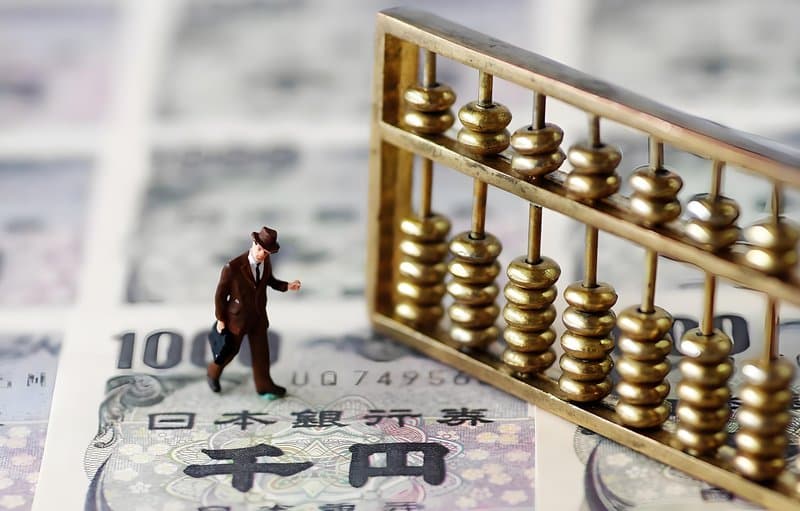
The latest data from Japan's Ministry of Internal Affairs and Communications shows that the Consumer Price Index (CPI) excluding fresh food rose 2.7% year-on-year in August, a significant decrease from the 3.1% increase in the previous month. This marks the smallest rise since November last year, indicating a temporary easing of inflation pressures. However, the increase remains well above the Bank of Japan's 2% target, reflecting persistently high price levels.
Utility Subsidies Act as a Buffer
The recent cooling of inflation can be primarily attributed to the government's reinstatement of electricity and natural gas subsidies to help households cope with the energy burden brought on by summer heat. The subsidy policy has helped ease the pressure on household energy expenses, thereby reducing the overall CPI increase. Nonetheless, core inflation, excluding energy, remains at 3.3%, indicating that upward price pressures have not completely dissipated.
Market Widely Expects Unchanged Policy
Following the release of the latest price data, the market almost unanimously expects the Bank of Japan to keep interest rates unchanged at this week's meeting. Since the policy rate was raised to 0.5% in January this year, policymakers are inclined to avoid tightening too quickly while monitoring price and wage trends. Observer focus is now on Bank Governor Kazuo Ueda's statements at the press conference to see if he indicates the possibility of another rate hike within the year.
Kazuo Ueda's Speech as a Key Factor
The Bank of Japan will announce its policy decision at noon local time, followed by a press conference in the afternoon. Market participants expect Ueda to reiterate a stance of "cautious adjustment" and emphasize that future actions will depend on the sustainability of inflation and wage growth. If an inclination towards a rate hike is expressed at the press conference, it may trigger immediate fluctuations in the yen and bond markets.
Inflation Trends and Risk Assessment
Although the overall CPI has slowed, structural factors continue to support high inflation. Rising food prices and a tight labor market pushing wages higher may keep inflation above 2% in the long term. If energy prices rebound, price levels could rise again in the future. The central bank thus faces a dilemma: maintaining price stability while avoiding over-tightening that could hinder economic recovery.
International Comparison and Policy Divergence
Notably, Japan's policy environment contrasts sharply with major central banks in the US and Europe. The Federal Reserve has begun a rate-cutting cycle to address weak employment, while the European Central Bank has opted to hold steady, emphasizing cautious observation. Should the Bank of Japan hold rates steady, it will further cement its "exception" status in the global monetary policy landscape.
Looking Ahead
Analysts believe that in the coming months, the Bank of Japan will focus on monitoring wage negotiation results and consumption trends. If wage growth consistently outpaces inflation, consumer purchasing power may support steady economic progress, providing room for a future rate hike. Conversely, if prices fall but growth stalls, the bank may be compelled to prolong its wait-and-see approach.









